
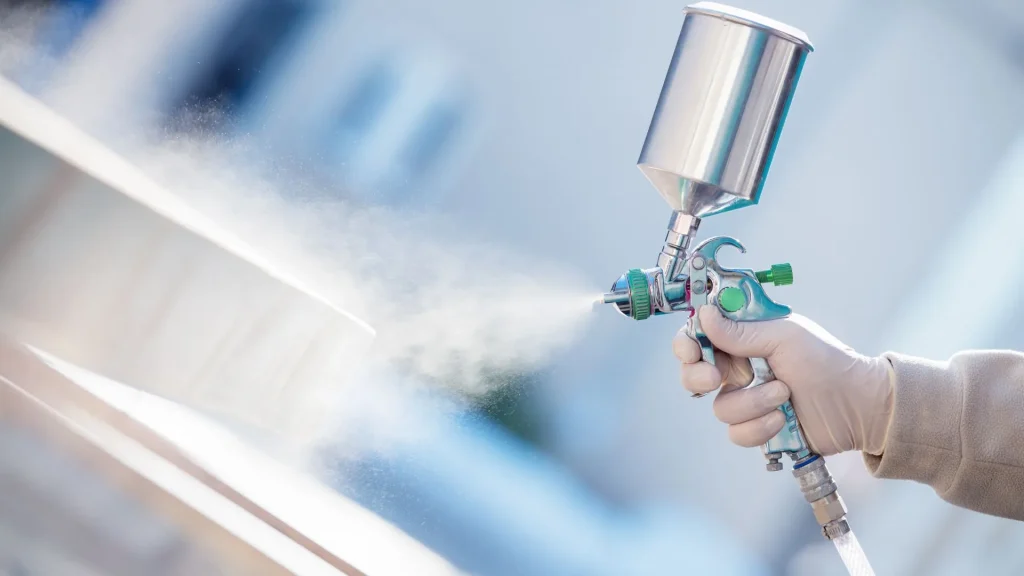
Spray painting is a versatile and efficient method for applying paint to various surfaces, offering a smooth and even finish that’s difficult to achieve with brushes or rollers. From furniture and walls to intricate architectural details, spray painting has become a popular choice for both DIY enthusiasts and professional painters. However, mastering this technique requires the right tools, preparation, and approach. In this guide, we’ll cover everything you need to know to achieve flawless results with spray painting, whether you’re tackling a large project or adding the finishing touches to a small one.
1. Understanding Spray Painting: Why It’s a Game-Changer
Spray painting has several advantages over traditional painting methods, making it a go-to option for various applications:
- Speed and Efficiency: Spray painting covers large areas quickly, saving time on big projects.
- Smooth Finish: The even application eliminates brush or roller marks, ensuring a professional look.
- Versatility: Suitable for different materials such as wood, metal, plastic, and even fabric.
- Access to Hard-to-Reach Areas: Ideal for intricate details, corners, and textured surfaces.
Despite its benefits, spray painting requires careful preparation and technique to avoid common pitfalls like drips, overspray, and uneven coverage.
2. Essential Tools and Equipment for Spray Painting
Having the right tools and equipment is crucial for successful spray painting. Here’s what you’ll need:
Types of Spray Painting Tools
- Aerosol Spray Cans: These are your go-to for small projects, touch-ups, and decorative work. With their wide range of colors and finishes, they put the power of professional painting in your hands, making your work efficient and effective.
- HVLP (High-Volume, Low-Pressure) Sprayers: These sprayers are all about precision and control. They deliver minimal overspray, making them ideal for interior painting and detailed work and giving you the confidence to tackle any project.
- Airless Sprayers: Best for large surfaces and exterior projects due to their high-speed application.
- Additional Supplies
- Drop Cloths or Plastic Sheeting: Protect surrounding areas from overspray.
- Painter’s Tape: Mask edges and areas you don’t want to be painted.
- Respirator or Mask: Protect your lungs from fumes and particles.
- Protective Clothing: Wear gloves, goggles, and old clothes.
- Sandpaper: Smooth out surfaces before painting.
- Primer: Ensure proper adhesion and a uniform base color.
3. Preparing for Spray Painting Success
Preparation is the cornerstone of a flawless spray paint job. Skipping this step can result in a messy and uneven finish. Follow these steps to set yourself up for success:
Clean and Repair the Surface
- Remove dirt, grease, and dust from the surface using soap and water or a degreaser.
- Repair cracks, dents, or imperfections with filler or putty.
- Sand the surface to create a smooth base and ensure better adhesion.
Mask and Protect Surroundings
- Cover areas you don’t want to be painted with plastic sheeting or drop cloths.
- Use painter’s tape to mask edges, trim, and other details.
Test the Paint
- Shake the spray can or test your sprayer on a piece of cardboard to ensure consistent flow and color match.
- Adjust the sprayer’s settings (if applicable) for the desired spray pattern and pressure.
Apply Primer
- Use a primer appropriate for the material you’re painting to enhance adhesion and improve the durability of the finish.
4. Spray Painting Techniques for a Professional Finish
Executing the proper technique is essential for achieving a smooth and even coat. Here are some best practices:
Maintain the Correct Distance
- Hold the spray can or sprayer nozzle 8-12 inches away from the surface.
- Too close can cause drips, while too far may result in uneven coverage.
Use Smooth, Steady Strokes
- Move the sprayer consistently, overlapping each pass by about 50% to avoid streaks.
- Start and stop spraying slightly off the edge of the surface to prevent buildup at the edges.
Apply Thin, Even Coats
- Build up the finish with multiple thin layers rather than one thick coat.
- Allow each layer to dry completely before applying the next to prevent drips and uneven texture.
Avoid Overspray
- Use shields or cardboard to block overspray from reaching unwanted areas.
- Work in a well-ventilated space or outdoors to dissipate overspray.
5. Troubleshooting Common Spray Painting Issues
Even with careful preparation and technique, issues can arise. Here’s how to fix them:
Drips and Runs
- Let the paint dry thoroughly, then sand the area smooth and reapply thin layers of paint.
Uneven Coverage
- Check for clogged nozzles and ensure consistent pressure in your sprayer.
- Apply additional coats and overlapping strokes to blend uneven areas.
Overspray
- Clean up overspray immediately with a damp cloth for wet paint or paint remover for dried paint.
Orange Peel Texture
- Caused by improper distance or sprayer settings. Sand the area lightly and reapply paint with an adjusted technique.
Spray painting is an art that, when mastered, can deliver exceptional results. By investing in the right tools, preparing surfaces properly, and employing proven techniques, you can achieve a flawless, professional finish on any project. Whether you’re revamping furniture, refreshing walls, or tackling intricate details, spray painting opens up a world of creative possibilities. Remember, with practice and patience, your spray painting skills will transform your projects into stunning masterpieces. Keep at it, and you’ll see the results you’re aiming for.
Trust Aspen Painting & Wallcovering, Inc. to guide you through the process or deliver exceptional craftsmanship, ensuring every project with a perfect finish exceeds your expectations.

Ray is an inspiring leader with a strong work ethic stemming from his exemplary upbringing in a caring and loving family environment. His parents modeled the importance of integrity and hard work to him and his siblings, values which Ray now instills in his teenage daughter. As the owner of Aspen Painting & Wallcovering, Inc., he leads by example by expecting nothing but the best from himself and his employees. His primary goal is to provide superior service and quality craftsmanship to each of his clients so that they become enthusiastic ambassadors for the company. Ray is a passionate team player who always strives to exceed expectations.