
Hiring a Fort Washington painting company shouldn’t feel like a gamble. Online reviews can be a powerful shortcut—if you know how to read them. This guide shows you what to look for (and what to ignore) so you can separate helpful feedback from noise and choose a team that will respect your home, keep a clean jobsite, and deliver a beautiful finish.
If you’re ready to start a conversation with a locally trusted team, visit Aspen Painting. When you see the phrase Fort Washington Painting Company below, it refers to the kind of full-service provider you’ll find there.
Why Reviews Matter (and Where They Mislead)
Reviews capture the customer experience in a way that quotes and brochures can’t. They reveal:
- How clearly the estimator explained the scope, schedule, and prep
- Whether the crew showed up on time, protected floors and furnishings, and cleaned up daily
- If communication stayed clear when surprises (like hidden repairs) popped up
- How final touch-ups and the walkthrough were handled
But reviews can mislead when they:
- Focus only on price without mentioning prep or materials
- Reward speed over quality (skipping vital steps)
- Penalize a contractor for delays caused by weather or other trades.
- Come from unverified or brand-new profiles with vague details.
Your job isn’t to collect the most stars—it’s to interpret patterns that predict how your project will actually go.
Build a Shortlist Before You Read Deeply
Don’t dive into dozens of pages. First, form a shortlist of 3–5 Fort Washington painting companies that:
- Offer both interior and exterior services (useful for future projects)
- Show a track record of recent jobs (look for reviews within the past 6–12 months)
- Have project photos that resemble your home’s style and surfaces
- Provide written estimates that separate prep, materials, and repairs.
From that shortlist, spend your time reading the right 10–15 reviews per company—the ones with specific, useful detail.
How to Read Star Ratings Without Being Fooled
Star ratings are a quick filter, but they’re only part of the story.
Aim for consistency over perfection.
A profile with many reviews, mostly positive, and a few thoughtful critiques, is often more trustworthy than a flawless wall of five stars with no detail.
Check the date distribution.
A cluster of older reviews with nothing recent may suggest the company isn’t actively asking for feedback—or has been less active in your area.
Look for mid-range reviews with substance.
Three- and four-star reviews often include the most useful specifics: what went well, what could improve, and how the company responded.
The Anatomy of a Trustworthy Review
Prioritize reviews that contain:
- Scope clarity: rooms, elevations, trim, doors, cabinets, or specialty areas
- Prep details: protection, patching, sanding, priming, caulking
- Material mentions: primer type, sheen, number of coats (without brand hype)
- Timing facts: start/finish dates, how delays were communicated
- Crew behavior: punctuality, daily cleanup, respect for pets/kids, care with landscaping
- Outcome specifics: coverage, cut lines, smoothness on trim, and hand-over-touch-ups were handled
The more concrete the details, the more likely the review reflects a real job.
Spotting Red Flags in Reviews
Be cautious when you see:
- Vague praise (“great job!”) with no project specifics—fine as a bonus, not as proof
- Repeat wording across profiles, suggesting that templates were copied.
- Overemphasis on bargain pricing without mention of prep or materials
- No mention of a final walkthrough or punch list
- Complaints about surprise charges with no explanation of repairs or change orders
- Silence from the company on critical feedback—no reply or attempt to make things right
One red flag isn’t a dealbreaker. A pattern is.
How Responses from the Company Reveal Culture
Owner or office responses tell you how a company handles feedback:
- Do they thank the reviewer and reference specifics from the job?
- Do they propose real fixes when issues arise, or just defend themselves?
- Do they keep a professional tone even when a review is unfair?
- Do they address scheduling, protection, and quality concerns in clear steps?
A respectful, solution-first tone suggests the team will handle your project with the same care.
Photos and Project Proof That Actually Help
Photos matter when they show process, not just the final glamour shot:
- Masking and floor protection are in place
- Sanded and spot-primed repairs before topcoat
- In-progress trim work, not just cleaned-up angles
- Exterior staging that avoids crushing plantings
- Final results under daylight and interior lighting, so you see real coverage and cut lines.
Look for captions or notes that connect images to specific rooms or elevations—that’s a sign of honest documentation.
Weighing Recency and Volume
Try this simple framework:
- Recency (40%): Prioritize jobs completed within the past year—methods, products, and crews evolve
- Volume (30%): A deeper base of feedback reduces the impact of outliers
- Detail (20%): Specifics about scope, prep, and materials are worth more than star count
- Responses (10%): Professional replies show accountability
This turns random comments into a structured signal you can trust.
What Reviewers Say About Scheduling and Cleanliness—Read Closely
In real homes, the difference between an okay experience and a great one often comes down to daily respect:
- Did the crew arrive within a consistent window?
- Were floors, counters, and fixtures covered every day?
- Did the team leave rooms usable each evening?
- Was there a clear plan for pets and kids?
- Did the lead communicate weather delays or change orders before work paused?
Reviews that highlight these habits point to a company that respects both your home and your time.
How to Cross-Check Consistency (Without Becoming a Detective)
You can validate what you read with three quick steps:
- Compare multiple sources. Look for similar themes across search results, local directories, and neighborhood apps (no need to name platforms; consistency is the point).
- Match reviews to the company’s website photos. Do the documented surfaces and finishes line up with the services they promote?
- Check recency against the blog. Active companies publish helpful posts about prep, color planning, and maintenance, which usually correlate with steady crews and defined processes.
Speaking of helpful resources, Aspen’s insights live here: Aspen Painting.
Turning Reviews into Questions for Your Estimate Meeting
Use reviews to build a smart question list when meeting your estimator:
Prep & Protection
- Which prep steps are included for my walls/trim/exterior surfaces?
- How will you protect floors, furnishings, and landscaping?
- What does “ready for paint” mean for this scope?
Materials & Coats
- What primer type and finish sheen do you recommend, and why?
- How many coats are included, and what would trigger an additional coat?
Repairs & Change Orders
- How do you price hidden repairs if we uncover them after prep begins?
- Can you provide unit prices for common fixes (per patch or per linear foot)?
Schedule & Communication
- What are the daily start/stop times and cleanup expectations?
- Who is my point of contact for updates?
If the answers line up with what reviewers praise—clarity, cleanliness, follow-through—you’re on the right track.
Reading Negative Reviews Without Overreacting
A thoughtful negative review can actually be useful:
- Did the company acknowledge the issue and offer a fix?
- Did the reviewer update their rating after resolution?
- Was the complaint about factors outside the painter’s control (like other trades or weather)?
If the company responds with empathy, details, and a concrete plan, that’s a good sign of how they’ll treat you if anything unexpected happens.
Evaluating Price Comments in Reviews
Price-only reviews are tricky. A low number might mean minimal prep, weaker materials, or skipped steps. A higher price might include:
- Careful protection and tidy daily cleanup
- Extra coats for true color coverage
- Stain-blocking primer on trouble spots
- Time for a thorough final walkthrough
When you see positive reviews that mention these added-value steps, you’re seeing why some quotes cost more—and why results last longer.
A Simple Scorecard You Can Use
Give each company a 1–5 score in these categories based on reviews:
- Clarity of scope (did reviewers understand what was included?)
- Prep and protection (were specifics called out?)
- Crew conduct (punctual, tidy, respectful?)
- Quality of finish (coverage, cut lines, smooth trim)
- Handling surprises (clear pricing for repairs, timely communication)
- Closeout (touch-ups, labeled leftover paint, walkthrough)
- Recency (steady feedback within the past year)
Add the totals and keep your top two. Get written estimates from both, then choose the fit that feels right for your home’s needs.
How Aspen Painting Approaches Reviews and Client Experience
As a Fort Washington Painting Company, Aspen Painting focuses on the parts of the job homeowners mention most in strong reviews:
- Clear, itemized estimates with prep, materials, and repairs separated
- Daily protection and cleanup routines that keep spaces usable
- Thoughtful scheduling around family routines and weather windows
- A documented final walkthrough with touch-ups noted and completed
- Polite, proactive communication from the first call to the last day on site
If that’s the experience you’re looking for, start here: Aspen Painting.
What to Do Next (A Quick Checklist)
- Shortlist 3–5 Fort Washington painting companies
- Read 10–15 detailed reviews for each—prioritize recency and specifics.
- Turn what you read into questions for your estimate meeting.
- Compare itemized proposals side by side.
- Choose the team that earns your trust on clarity, protection, and finish quality.y
FAQs
1) How many reviews are “enough” to trust a painter?
There’s no magic number, but a steady pattern of recent, detailed feedback is better than a small cluster of vague praise. Look for recency, specific scope details, and professional responses from the company.
2) What if the reviews are mixed?
Mixed feedback is normal. Focus on consistency: clean protection, clear communication, and a strong final walkthrough. Ask the estimator how they handle the exact issues that appeared in critiques.
3) Should I trust photo galleries more than reviews?
Use both. Photos show finish quality; reviews explain the process—protection, scheduling, cleanup, and touch-ups. Together, they paint the full picture.
4) How do I compare companies with similar star ratings?
Read mid-range reviews for detail. Then compare written estimates for scope, prep, materials, repair allowances, and schedule. The clearer proposal is usually the safer bet.
5) Can I hire based on price alone if reviews look good?
Price matters, but the line items matter more. Quotes that include proper prep, the right primer, and enough coats tend to produce results that last, saving money over the long run.
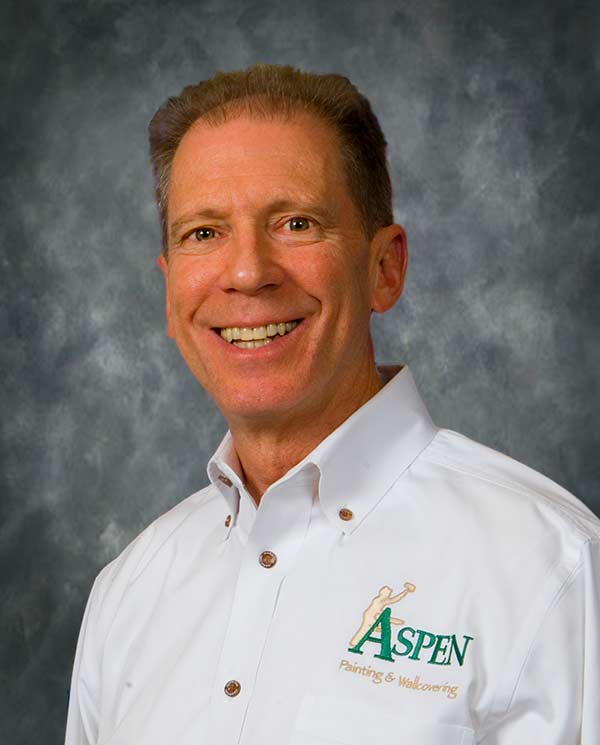
Ray is an inspiring leader with a strong work ethic stemming from his exemplary upbringing in a caring and loving family environment. His parents modeled the importance of integrity and hard work to him and his siblings, values which Ray now instills in his teenage daughter. As the owner of Aspen Painting & Wallcovering, Inc., he leads by example by expecting nothing but the best from himself and his employees. His primary goal is to provide superior service and quality craftsmanship to each of his clients so that they become enthusiastic ambassadors for the company. Ray is a passionate team player who always strives to exceed expectations.