
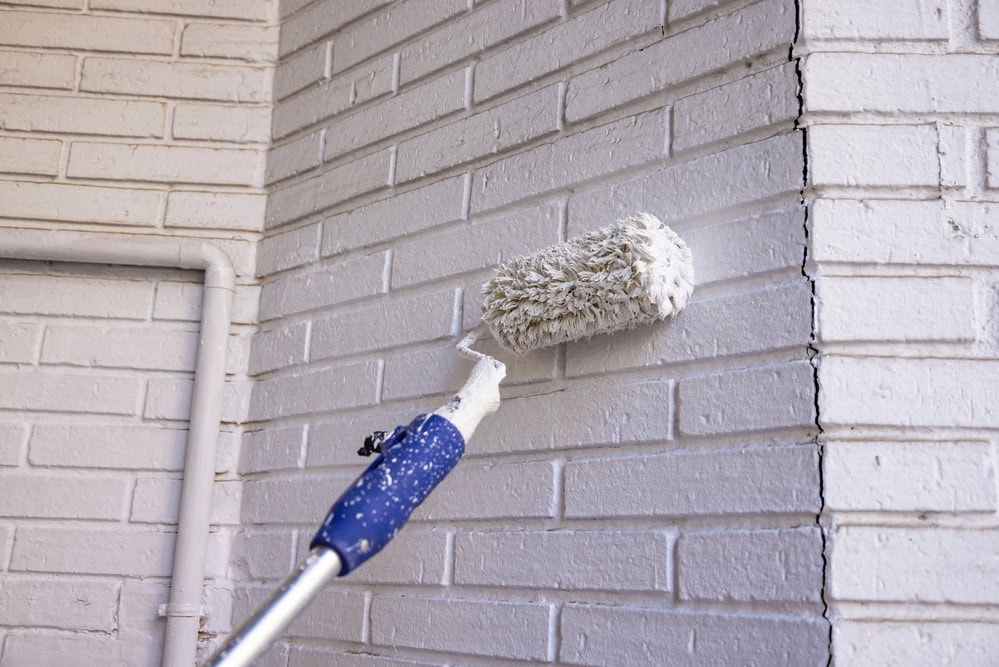
That dated red-brick or tired painted facade can make an otherwise lovely home look stuck in another decade. Done right, painting brick exterior surfaces in Forest Grove, PA is one of the most dramatic curb-appeal upgrades available — but brick is unforgiving, and the wrong approach traps moisture and peels within a season. Here’s what you’ll learn: whether your brick should be painted at all, how the prep and paint differ from siding, your finish options, and what it costs.
Should you paint your brick — or not?
Brick is porous and needs to breathe. Painting it is a near-permanent commitment (removing paint from brick later is difficult and costly), so it’s worth a clear-eyed decision first.
- Good candidates: already-painted brick that’s peeling, mismatched brick from additions, or a color you simply dislike.
- Think twice: historic or premium brick in good condition, or damp/efflorescence-prone walls that signal a moisture problem to fix first.
If you love the idea of a lighter look but aren’t sure about full paint, a breathable option (below) may be the better call.
Why brick needs a different approach than siding
Painting brick and exterior masonry isn’t just “siding with more texture.” The material changes everything:
- Moisture matters most. Brick absorbs and releases water; the wrong coating seals it in and causes blistering and spalling.
- Prep is heavier. Efflorescence (white mineral salts), old failing paint, and mortar cracks all have to be resolved first.
- Coverage is higher. Rough, porous masonry drinks paint — expect more material than a comparable siding job.
The prep that makes or breaks the job
For painting brick homes in Pineville, Forest Grove, and across Bucks County, prep is 80% of the result:
- Clean thoroughly. Remove dirt, mildew, and chalking — typically a gentle wash so the surface is sound and dry.
- Kill efflorescence. Scrub off mineral salts dry; if they keep returning, find and fix the moisture source before painting.
- Repair mortar and cracks. Repoint failing joints and patch cracks so water can’t get behind the coating.
- Let it dry fully. Masonry must be dry to the core — painting damp brick is the #1 cause of peeling.
- Prime with a masonry primer. An alkali-resistant masonry primer seals and bonds, especially on bare or repaired areas.
Your finish options
| Option | Look | Breathability | Best for |
|---|---|---|---|
| Masonry/elastomeric paint | Solid, opaque color | Moderate (use breathable formulas) | Already-painted or mismatched brick |
| Limewash | Soft, matte, weathered | Very high | A traditional, breathable makeover |
| Mineral (silicate) paint | Flat, natural, durable | Very high | Long-lasting, breathable color |
| German smear / whitewash | Rustic, textured | High | Old-world character |
- Best paint for brick is a breathable masonry or acrylic-elastomeric product rated for exterior masonry — not standard wall paint.
- Limewash brick soaks in rather than sitting on top, giving a timeless matte finish that ages gracefully and lets the wall breathe.
- Whitewashing brick exterior (a thinned, semi-transparent paint) keeps some texture showing for a softer, lived-in look.
Painting brick vs. staining (limewash/mineral)
The core decision is opaque paint versus a breathable, soak-in finish:
- Paint gives full, uniform color and hides mismatches — but forms a film that can eventually peel and is hard to reverse.
- Limewash / mineral stains penetrate, breathe, and never peel like paint — but offer a softer, less uniform, more organic look.
For damp-prone or historic masonry, breathable finishes are usually the safer long-term choice.
What does it cost?
Brick painting cost runs higher per square foot than siding because of the extra prep and paint absorption. The main drivers:
- Wall condition (efflorescence, repointing, crack repair)
- Square footage and number of stories
- Finish chosen (limewash and mineral products differ from standard masonry paint)
- Surface texture (rougher brick uses more material)
For an accurate figure, an on-site walk-through beats any online estimate — every brick wall is different.
Making the right call for your home
If your brick is already painted and failing, or you want a clean, modern facade, a quality masonry paint job transforms the house. If you have sound, historic, or moisture-sensitive brick, lean toward a breathable limewash or mineral finish — you’ll get the fresh look without sealing the wall. Either way, confirm there’s no underlying water issue before any coating goes on.
This is specialized work where a pro’s prep really pays off. Our exterior painting services include masonry, and because we approach every siding and surface type differently — wood, stucco, brick — your brick gets the right prep and product, not a one-size coating. The payoff is lasting curb appeal that holds up to Bucks County weather. For more on breathable masonry coatings, This Old House is a solid reference.
Ready to transform your brick?
Painting or limewashing brick is a big, near-permanent upgrade — so it’s worth doing right the first time. Aspen Painting & Wallcovering helps homeowners across Forest Grove, Pineville, and the surrounding Bucks County communities choose the correct finish and prep it properly — Clean, Courteous, Reliable, start to finish.
Call 215-773-8422 or book a free, no-pressure estimate. We’ll assess your masonry, talk through paint vs. limewash, and give you a clear plan.
Frequently Asked Questions
Is painting brick a permanent decision?
Essentially, yes. Once brick is painted it needs repainting over time, and stripping paint back off masonry is difficult and expensive. That’s why choosing the right breathable product and prepping properly up front matters so much.
What is the best paint for exterior brick?
A breathable masonry or acrylic-elastomeric paint rated for exterior masonry — never standard wall paint. Over bare or repaired brick, start with an alkali-resistant masonry primer so the topcoat bonds and lasts.
What’s the difference between painting and limewashing brick?
Paint forms an opaque film on the surface for full, uniform color, but can eventually peel. Limewash soaks into the brick for a soft, matte, breathable finish that weathers naturally and won’t peel like paint — a great fit for older or damp-prone masonry.
Why is my painted brick peeling?
Almost always trapped moisture: the brick was damp when painted, a non-breathable coating was used, or there’s an unresolved water source. The fix is to find and correct the moisture issue, then re-prep and use a breathable masonry coating.
Does painting brick add curb appeal in Forest Grove?
Absolutely — updating dated or mismatched brick is one of the highest-impact exterior changes you can make. The key is proper prep and a masonry-appropriate finish so it looks great and lasts through Bucks County’s seasons.

Ray is an inspiring leader with a strong work ethic stemming from his exemplary upbringing in a caring and loving family environment. His parents modeled the importance of integrity and hard work to him and his siblings, values which Ray now instills in his teenage daughter. As the owner of Aspen Painting & Wallcovering, Inc., he leads by example by expecting nothing but the best from himself and his employees. His primary goal is to provide superior service and quality craftsmanship to each of his clients so that they become enthusiastic ambassadors for the company. Ray is a passionate team player who always strives to exceed expectations.