
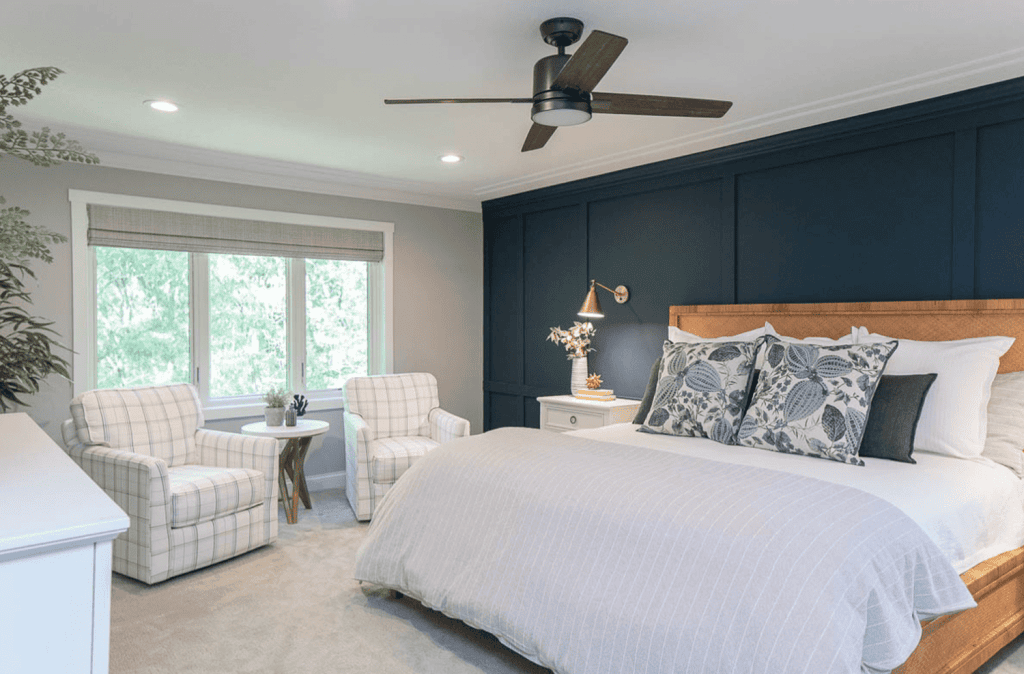
High-traffic rooms have a way of “testing” your walls.
A quick brush from a backpack. A stroller bump in the hallway. Fingerprints around light switches. Sneaker scuffs on stair walls. And somehow the kitchen ends up with splatters in places no one can explain.
If you want your home to look freshly painted longer, the right product and finish matter as much as color.
This guide breaks down what Ambler interior painters typically recommend for busy households—so you can choose paint that cleans up well, resists scuffs, and still looks great day to day.
If you’re also comparing timelines, prep needs, or want help planning an interior refresh, start here: Ambler painters.
What “high-traffic” really means for your paint
High traffic isn’t just about how often people walk through a space.
It’s about what the surfaces go through:
- Frequent touch points (handprints, oils, fingerprints)
- Repeated rubbing (furniture, backpacks, vacuum bumps)
- Humidity or temperature swings (kitchens, laundry areas, bathrooms)
- Stains (food, crayons, pet marks)
- Cleaning frequency (wiping walls weekly vs. once a year)
The more you clean or bump a wall, the more your paint needs to hold up without getting shiny patches, dull spots, or peeling.
The 3 paint traits that matter most in busy spaces
When you’re choosing paint for high-use rooms, focus on these three qualities:
1) Washability
You want to wipe smudges without pulling pigment off the wall.
Washability usually improves with higher-quality paint and the right sheen (we’ll get to that soon).
2) Durability
Durability helps prevent scuffs, dents, and “burnish marks” (those shiny streaks that appear after scrubbing).
3) Stain resistance
Especially important in kitchens, playrooms, and entryways.
Some paints are formulated to resist stains from food, grease, and everyday mess.
Paint finish matters more than most homeowners think
If you’ve ever said, “The color looks different in here,” the finish is often the reason.
In high-traffic rooms, the finish affects:
- How light reflects
- How visible wall flaws look
- How well does the wall clean
- whether scuffs show up easily
Here’s how Ambler interior painters typically think about sheens for busy homes.
Flat / Matte
Best for: low-touch areas, ceilings, adult bedrooms, formal dining rooms
Flat and matte can look rich and calm.
But they’re usually less forgiving when it comes to heavy wiping. Some modern matte paints are much more washable than older ones, but in truly high-traffic areas, you’ll often be happier with eggshell or satin.
Eggshell
Best for: hallways, living rooms, family rooms, light-to-medium traffic
Eggshell is a sweet spot for many homes.
It has a soft look, hides imperfections better than satin, and still cleans up fairly well—especially when paired with a quality paint.
Satin
Best for: high-traffic walls, kid spaces, stairwells, high-touch areas
Satin is a common go-to for busy households.
It holds up better to wiping and has stronger moisture resistance than eggshell. The trade-off is that it reflects more light, so wall flaws can be more visible if prep is rushed.
Semi-gloss
Best for: trim, doors, baseboards, some kitchens, and baths
Semi-gloss is tougher and very wipeable.
But for full walls, it can look shiny and show every patch or imperfection. Most homeowners prefer semi-gloss on trim and doors, with satin/eggshell on walls.
Best paint choices by room in high-traffic Ambler homes
Let’s get practical.
Below are paint picks by space, along with what to watch for.
Hallways and entryways
These areas take hits from shoes, bags, coats, and everyday wear and tear.
Recommended finish: eggshell or satin
What to prioritize: scuff resistance, washability
Helpful tips:
- Consider satin if your hallway is narrow and gets touched constantly.
- If your walls havean older texture or minor flaws, eggshell can look smoother.
Stairways and stairwells
Stair walls get bumped more than you think—especially near turns and landings.
Recommended finish: satin
What to prioritize: durability and scrub resistance
Helpful tips:
- Good prep is essential here. Satin can highlight uneven patches.
- If kids use the stairs heavily, durable satin is usually worth it.
Kitchens
Kitchens have humidity, grease, cooking residue, and frequent cleaning.
Recommended finish: satin (walls), semi-gloss (trim)
What to prioritize: stain resistance and cleanability
Helpful tips:
- Use a kitchen-friendly paint designed to handle cleaning.
- Around breakfast nooks and high-touch corners, satin makes cleanup easier.
Mudrooms and laundry rooms
These spaces handle bags, wet coats, baskets, and occasional splashes.
Recommended finish: satin
What to prioritize: moisture resistance + easy cleaning
Helpful tips:
- These rooms benefit from paint designed for repeated wiping.
- If you store sports gear here, choose a finish that won’t burnish after scrubbing.
Kids’ bedrooms and playrooms
Crayons happen. So do fingerprints, climbing, and “wall art.”
Recommended finish: satin
What to prioritize: stain resistance + washability
Helpful tips:
- Keep a labeled container of the exact paint for quick touch-ups.
- For darker colors, higher-quality paint helps prevent uneven touch-up patches.
Bathrooms
Steam, moisture, and temperature swings are the big issues.
Recommended finish: satin (or a bath-specific paint)
What to prioritize: moisture resistance and mildew protection
Helpful tips:
- Ventilation matters. A good fan helps your paint last longer.
- Avoid flat finishes in bathrooms unless it’s a product designed for moisture.
Paint type: what’s best for high-traffic interiors?
Most interior walls are painted with water-based acrylic latex paints.
Within that category, quality can vary a lot.
Here’s how to think about it.
Standard wall paint
Good for most rooms when paired with the right sheen.
In busy spaces, it’s better to choose a premium line because it holds up to cleaning and scuffs longer.
“Scrubbable” or “washable” formulas
These are designed for frequent wiping.
They can be a great fit for:
- hallways
- kids’ rooms
- kitchens
- stair walls
Specialty moisture-resistant formulas
Designed for bathrooms, laundry rooms, and steamy areas.
If your bathroom paint tends to peel or spot, a moisture-focused formula can help.
Color choices that hide wear in high-traffic areas
Color won’t fix durability problems, but it can help you see less everyday wear.
Mid-tones hide scuffs better than super light or super dark
Very light walls can show smudges quickly.
Very dark walls can show dust, scratches, and touch-up marks.
Mid-tone neutrals and soft colors often balance style and practicality.
Warm whites can be more forgiving than bright whites
Bright whites look sharp, but they can show marks around switches and doorways faster.
A slightly warmer white often hides day-to-day touch points better.
Consider the “sheen + light” combo
A satin finish in a sun-filled hallway can look more reflective.
If you want a softer look, eggshell with a good-quality paint might be the better choice—unless that hallway gets wiped constantly.
Prep and primer: the hidden factor behind paint that lasts
Even the best paint can fail if the surface isn’t ready.
In high-traffic rooms, your paint job will last longer when:
- walls are cleaned (especially near kitchens and entryways)
- Glossy spots are dulled or deglossed
- Holes and dings are patched smoothly
- Dust is removed before painting
- primer is used where needed (stains, patches, water marks)
If you’ve ever seen paint peel near trim or look “patchy” after drying, it’s often a prep issue—not a paint issue.
Where homeowners often overspend (and where they shouldn’t)
A smarter approach is to spend where it counts.
Spend more on:
- hallways
- stair walls
- kitchens
- kid zones
- doors and trim (if they’re constantly touched)
You can usually spend less on:
- ceilings
- formal rooms that rarely get touched
- low-traffic guest bedrooms
This is one reason many Ambler interior painters plan paint selections room-by-room rather than choosing a single product for the whole home.
Touch-ups in high-traffic rooms: how to avoid “patchy spots”
Touch-ups are common in busy homes.
But patchy repairs usually happen because of:
- mismatched sheen (even if the color is the same)
- old paint vs. fresh paint differences
- changes in wall texture
- An incorrect roller nap was used for the touch-up
A simple tip: keep a small labeled jar of leftover paint for each room, and note the finish (eggshell/satin).
For best results, touch up with the same tools used originally (roller nap size, brush type).
Quick cheat sheet: best finishes for busy homes
If you want a simple rule of thumb:
- Most high-traffic walls: Satin
- Moderate traffic walls: Eggshell
- Trim & doors: Semi-gloss
- Ceilings: Flat
The right choice still depends on wall condition, lighting, and how much daily wiping you expect.
When it’s time to call Ambler interior painters
If your hallways always look scuffed, or your kitchen paint never seems to stay clean, it’s usually a sign that your walls need:
- the right finish for the space
- a higher-quality paint
- stronger prep
- the right primer strategy
If you want help picking the best product and finish for your specific rooms, Aspen Painting can guide the selection and handle the full interior process so your walls look better longer.
You can learn more about local service options here: Ambler interior painters.
FAQs
1) What paint finish is best for high-traffic hallways?
For most busy hallways, eggshell or satin works best. Satin is easier to wipe clean, while eggshell can hide wall flaws a bit better.
2) Is matte paint okay for a high-traffic home?
Matte can work in some areas, but truly high-touch spaces usually do better with eggshell or satin, especially if you expect frequent cleaning.
3) What’s the best paint for stairway walls?
Stair walls often do best with a durable satin finish because it resists scuffs and wipes more easily.
4) Should I use semi-gloss on interior walls for durability?
Semi-gloss is very tough, but it’s often too shiny for full walls and can highlight imperfections. It’s usually best for trim, doors, and baseboards.
5) How do I keep high-traffic walls looking clean longer?
Use the right sheen (often satin), choose a quality washable paint, and make sure walls are properly cleaned and prepped before painting. Touch up small marks early to prevent bigger repairs later.

Ray is an inspiring leader with a strong work ethic stemming from his exemplary upbringing in a caring and loving family environment. His parents modeled the importance of integrity and hard work to him and his siblings, values which Ray now instills in his teenage daughter. As the owner of Aspen Painting & Wallcovering, Inc., he leads by example by expecting nothing but the best from himself and his employees. His primary goal is to provide superior service and quality craftsmanship to each of his clients so that they become enthusiastic ambassadors for the company. Ray is a passionate team player who always strives to exceed expectations.