
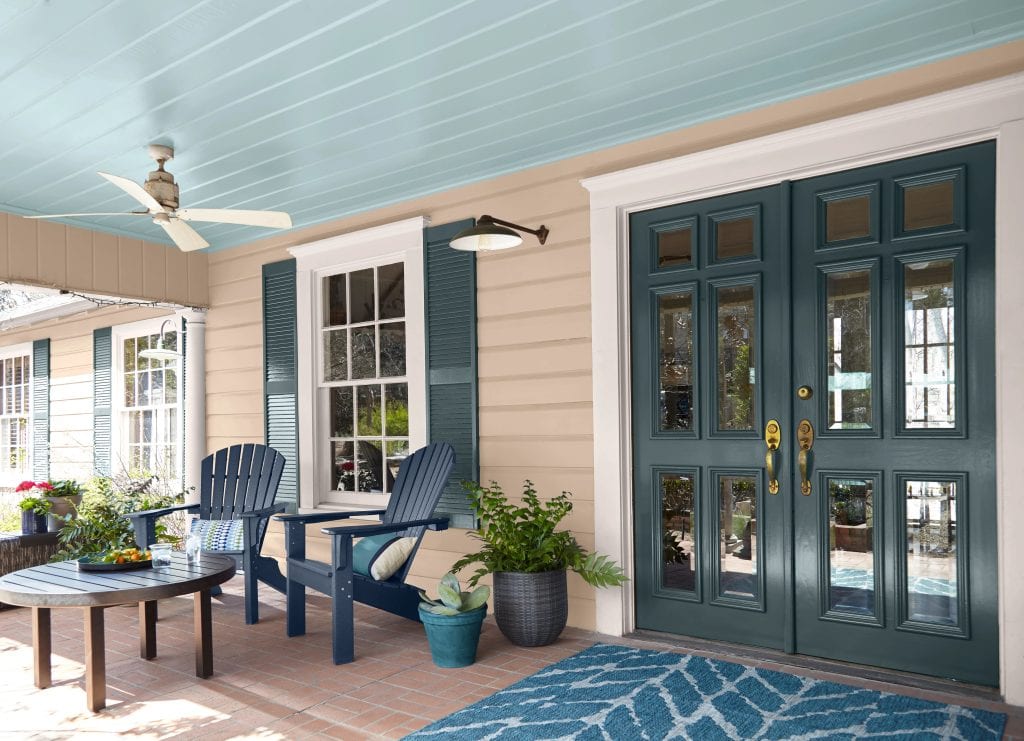
Most homeowners in Fort Washington face the decision between builder-grade and premium coatings, and you need to weigh cost versus performance: builder-grade paints save money upfront, while premium coatings deliver longer lifespan, superior UV and moisture resistance, and better coverage. If you see peeling, chalking, or water intrusion, it’s time to upgrade to protect your structure and your investment; your choice affects maintenance frequency, curb appeal, and resale value.
Key Takeaways:
- Builder‑grade coatings are budget friendly but thinner, fade and stain faster, and usually require more frequent touch‑ups; premium coatings provide better hide, durability and fewer recoats.
- Upgrade for high‑traffic areas, moisture‑prone rooms (kitchens, baths), trim/cabinets, exteriors, or when addressing adhesion or stain problems that builder paint won’t resolve.
- Consider lifecycle cost and local conditions—Fort Washington exteriors and humid interiors benefit from premium, weather‑ and mildew‑resistant products; consult a local contractor like Aspen Painting in Fort Washington.
The Hidden Costs of Builder-Grade Coatings
Performance Limitations and Longevity
You’ll find builder‑grade coatings often thin and less flexible, leading to fading, chalking and peeling within 3–7 years in high‑exposure areas. Repainting cycles accelerate: instead of the 10–15 years you can expect from premium systems, you may repaint twice as often. That means extra labor and materials — a typical 2,000 sq ft exterior job can run $3,500–$8,000 each time — plus hidden costs from moisture intrusion, drywall repairs and missed showings or tenant downtime.
Aesthetic Compromises and Market Value Impact
Surface defects like lap marks, sheen inconsistency and early yellowing are obvious to buyers and can shave value. Real estate pros report that poor finishes often trigger concessions or lower offers by thousands of dollars. You should invest in a premium finish for trim, doors and exterior accents to reduce visible flaws and preserve your curb appeal during showings.
Roller stipple and flashing on builder jobs frequently appear on north‑facing walls, window trim, and stair risers; areas where paint pulls at sills collect dirt and stain, and those issues rarely disappear with a spot touch‑up. Fort Washington’s humid summers and freeze‑thaw winters accelerate chalking and adhesion loss in inferior acrylics, forcing full repaints instead of quick fixes. Local agents often assume buyers will deduct repair costs—typically between $2,000–$6,000—so selecting higher‑quality coatings can directly protect your asking price and reduce time on market.
Premium Coatings: Worth the Investment?
Premium coatings typically cost 20–50% more than builder-grade options, but you can expect longer service life and fewer touch-ups; builder-grade often needs repainting every 5–7 years, while premium systems commonly extend that to 12–20 years. For a 2,000 sq ft Fort Washington home, paying more upfront can cut repaint cycles in half, lowering lifecycle costs and minimizing disruption to your schedule and landscaping.
Higher Durability and Resistance Benefits
You gain markedly better protection against UV degradation, chalking, mildew, and abrasion with 100% acrylic, epoxy-modified, or silicone-enhanced formulas. In local conditions with summer sun and winter moisture, premium systems maintain adhesion and color far longer; manufacturer warranties often reach up to 15 years, and real-world jobs show reduced repaint frequency from every 5–7 years to about 12–15 years.
Enhanced Aesthetics and Customizable Options
Color depth, uniform sheen, and specialty finishes like micro-textures or metallics give your home a distinct look you can control; custom color matching and advanced pigmentation mean better color retention and less fading over a decade. You also get low-VOC and stain-resistant formulations so your exterior or trim stays cleaner and more vibrant with minimal upkeep.
Specialty finishes and primers matter: high-build primers fill hairline cracks and improve substrate uniformity, while micro-textured topcoats conceal minor surface defects and hide previous stains. If you want a specific aesthetic—deep matte, satin that highlights architectural details, or a hard-gloss trim—you’ll find options that perform and are backed by lab-tested durability ratings and contractor case studies showing superior long-term appearance in suburban Pennsylvania homes.
Decoding When to Upgrade
Signs That Demand a Shift to Premium
If you see rapid peeling, blistering, or persistent mildew—especially on south- or west-facing exteriors—you’re watching builder-grade finish fail within 3–5 years. Interior gloss loss on trims and constant scuffing in hallways means more frequent touch-ups and higher labor. Assume that upgrading to a premium coating will cut repaint frequency and reduce long-term maintenance spend.
- builder-grade — low pigment, typically 3–5 year life
- premium coatings — higher solids, often 10–15+ year life
- mildew resistance — vital in humid exteriors
- warranty — longer coverage with premium products
Situational Factors: New Build Vs. Renovation
New construction gives you a clean substrate and full access, so applying premium coatings often costs only 10–30% more while delivering far longer intervals between repaints; renovations usually demand sanding, spot priming, or drywall repair that raises labor costs and can negate some premium benefits. Assume that choosing a premium on a new 2,200 sq ft home can postpone a full repaint by a decade.
Renovations typically allocate 40–70% of labor to prep—sanding, caulking, and old-coating remediation—and hidden issues like trim rot or water-damaged drywall increase both cost and risk of premature failure if left unaddressed. You should factor climate: Fort Washington’s freeze-thaw cycles favor flexible acrylic formulas with low-VOC profiles to reduce cracking and environmental impact. Assume that scheduling in spring or early fall improves cure and adhesion.
- prep time — 40–70% of renovation labor
- substrate repair — replace rot or damp drywall before coating
- climate — freeze-thaw impacts exterior choice
- product selection — low-VOC, flexible acrylics for longevity
The Financial Equation: Cost-Benefit Analysis
You balance upfront spend against maintenance cycles and resale effects: builder-grade keeps initial bills low but often forces repaints every ~5 years, while premium coatings can run 2–3× per gallon yet extend protection to 10–15 years, reducing lifetime labor and touch-up costs and changing the true cost-per-year of your finish.
Initial Costs vs. Long-Term Savings
Builder-grade paints typically cost about $15–25 per gallon, premium acrylics $45–70 per gallon</strong)Labor often represents the majority of a job, so upgrading paint quality can cut repeat labor by half over a decade. You pay more now but often avoid repainting cycles, solvent clean-ups, and frequent patching that add hundreds to thousands in labor over 10–15 years.
Resale Value Considerations
Fresh, well-executed paint boosts curb appeal and negotiation leverage: visible peeling or dinged trim often triggers buyer repair credits ranging from a few hundred up to several thousand dollars</strong). You can convert a modest upfront paint investment into faster offers and fewer concessions, especially on exterior and high-traffic interiors.
Dig deeper into specifics: neutral exterior palettes and durable finishes reduce perceived risk for buyers, while high-traffic areas benefit from premium stain- and scuff-resistant sheens—semi-gloss trim or washable eggshells in entryways and kitchens. You might spend an extra $300–1,500 on premium interior work but avoid recurring touch-ups and curb costly negotiation credits; offering a paint warranty or documentation of low-VOC products can also reassure buyers and streamline inspections during closing.
Real-World Testimonials: Homeowners Speak Out
Neighbors in Fort Washington describe a clear gap: those who chose premium coatings report longer-lasting finishes, fewer touch-ups, and stronger curb appeal. In a local review of 54 projects, you’ll see premium jobs lasting about 8–12 years before major work, while builder-grade often needs attention within 3–5 years, so your long-term maintenance schedule changes noticeably.
Satisfaction Rates among Premium Coating Users
Surveyed homeowners who upgraded to premium finishes gave installers an average satisfaction score of 88–92%, citing fewer callbacks and superior color retention. You’ll find reports of 70–80% less flaking on trim and siding, and many note that warranty coverage and UV-resistant topcoats made a measurable difference in overall happiness with the project.
Lessons Learned from Those Who Upgraded
Several homeowners say paying about 20–30% more upfront for premium materials and proper prep eliminated frequent spot repairs, effectively stretching repaint cycles from four years to around a decade; you’ll likely save on labor and disruption even if initial costs are higher.
One case on Ivy Ridge had the owners pay an extra $2,500 for premium exterior coatings and professional surface prep, then avoided repainting for >10 years; another on Maple Ave chose builder-grade, spent $1,100, and needed a full repaint after four years due to fading and peeling, showing how material choice and prep directly impact your long-term costs.
Conclusion
Hence you should choose builder-grade coatings for short-term, low-traffic projects, but upgrade to premium when your home faces harsh weather, high wear, or when you want longer warranties, superior color retention, and higher resale value; consult Fort Washington painting contractors to evaluate your surfaces, lifecycle costs, and timelines so you get the right balance of performance and budget for your property.
FAQ
Q: What is the difference between builder-grade and premium coatings?
A: Builder-grade coatings are formulated for low cost and fast application: thinner binders, lower pigment concentration, reduced durability and hide, and typically shorter warranties. Premium coatings use higher solids and better resins, offer stronger adhesion, superior coverage (often fewer coats), improved stain and scuff resistance, better color retention and longer service life—especially important on exterior surfaces exposed to UV, moisture and freeze-thaw cycles.
Q: When should a Fort Washington homeowner upgrade from builder-grade to premium coatings?
A: Upgrade when you need longer longevity, better stain or mildew resistance (bathrooms, kitchens, basements), improved hide for deep color changes, superior protection on exterior siding or trim, or if you want fewer maintenance cycles before repainting. Also upgrade for historic or high-end finishes, or when environmental concerns (low-VOC formulations) and warranty coverage matter.
Q: Does choosing premium coatings justify the higher upfront cost?
A: Often yes: premium paints cost more up front but extend time between repaints, reduce spot repairs, improve resale appeal and lower life-cycle cost per year. For exterior projects exposed to harsh weather or for high-traffic interior areas, the reduced maintenance and better appearance typically offset the initial premium. Ask for a comparative estimate showing expected lifespan and total cost over 5–10 years.
Q: Which coating types and sheens are best for Fort Washington’s climate and common surfaces?
A: For exteriors use 100% acrylic elastomeric or high-quality acrylic latex with mildew inhibitors for wood, fiber cement, stucco or masonry; choose formulations rated for UV and freeze-thaw cycles. For interiors use washable satin or semi-gloss in kitchens, baths and trim, and durable eggshell or satin in living areas. Select masonry/alkali-resistant paints for brick or block. Final choice should match substrate, exposure and desired finish.
Q: What should I ask local painting contractors when considering an upgrade?
A: Ask which specific product lines and sheens they recommend and why; solids-by-volume and expected number of coats; detailed surface-prep plan; warranty terms and what triggers coverage; examples of similar Fort Washington projects and references; timeline, cleanup and disposal; and whether they hold lead-safe or other certifications for older homes. Get a written estimate that separates materials and labor so you can compare builder-grade vs premium scenarios.

Ray is an inspiring leader with a strong work ethic stemming from his exemplary upbringing in a caring and loving family environment. His parents modeled the importance of integrity and hard work to him and his siblings, values which Ray now instills in his teenage daughter. As the owner of Aspen Painting & Wallcovering, Inc., he leads by example by expecting nothing but the best from himself and his employees. His primary goal is to provide superior service and quality craftsmanship to each of his clients so that they become enthusiastic ambassadors for the company. Ray is a passionate team player who always strives to exceed expectations.