

It’s wise for you to choose fade-resistant exterior colors in Ambler, PA, to protect your home’s look, value, and paint lifecycle; UV exposure can rapidly dull pigments, so select coatings with fade-resistant pigments and UV inhibitors. ASPEN PAINTING & WALLCOVERING, INC. helps you balance local sun, humidity, and historic neighborhood guidelines so you get long-lasting curb appeal and reduced maintenance.
Key Takeaways:
- Pick paints formulated for UV stability and durable pigments — 100% acrylic exterior paints with UV inhibitors and high-quality inorganic or engineered organic pigments resist fading far better than economy blends; deep or vivid colors can work if specified with fade-resistant pigment systems.
- Match color and finish to Ambler’s conditions — south- and west-facing façades, seasonal sun angles, and humidity affect fading, so favor lighter tones or specially formulated pigments on high-exposure walls, and choose satin or low-sheen finishes that weather more evenly than high-gloss or flat extremes.
- Combine proper prep, testing, and professional installation — thorough surface prep, premium primers, test swatches on site (observe through sunlight and weather), and scheduled maintenance extend color life; for tailored product selection and expert application in Ambler, contact ASPEN PAINTING & WALLCOVERING, INC.: https://aspenpaintingpa.com/
The Science of Color and Its Impact on Exterior Surfaces
The Role of UV Rays in Color Fading
Ultraviolet radiation breaks molecular bonds in pigments and binders, so UV exposure drives most exterior paint degradation—studies attribute roughly 80–90% of color loss to UV. You’ll see south- and west-facing walls in Ambler fade fastest. Organic pigments fade faster than inorganic pigments like iron oxides or titanium dioxide, which retain color and opacity much longer.
How Temperature Affects Color Retention
Repeated heating accelerates oxidation and gloss loss, while freezing temperatures create tiny cracks that let UV and moisture in. Your coatings in Ambler face seasonal swings—from winter lows near 20°F to summer highs in the 80s°F—so both freeze-thaw cycles and binder softening reduce long-term color stability unless you choose compatible formulations.
To protect your exterior finishes, specify coatings with higher flexibility and heat-resistant binders; 100% acrylic and elastomeric systems better tolerate expansion/contraction and resist color shift at elevated temperatures. For application, avoid painting when surface temps drop below 50°F or rise above 90°F, and schedule work on south/west elevations for cooler morning hours to minimize thermal stress.
Temperature Effects on Color Retention
| Temperature Factor | Effect & Recommendation |
|---|---|
| High heat & prolonged sun | Accelerates oxidation and binder breakdown; choose UV-stable, 100% acrylic topcoats and lighter colors to reduce heat absorption. |
| Freeze–thaw cycles | Causes micro-cracks that let moisture and UV penetrate; use flexible primers and elastomeric or high-flexibility topcoats to maintain color. |
| Rapid daily temperature swings | Promotes substrate expansion/contraction and delamination; ensure proper surface prep and select coatings with proven elongation and adhesion. |
| Application temperature extremes | Affects cure and film formation—avoid painting below 50°F or above 90°F; follow manufacturer specs for optimal color retention. |
| Microclimate & orientation | West-facing walls heat more in late afternoon; plan color selection and maintenance frequency accordingly to preserve vibrancy. |
Evaluating Local Environmental Factors in Ambler, PA
- UV exposure intensity and seasonal variation that drive pigment breakdown
- Humidity and precipitation—Ambler averages around 45–50 inches of rain annually, increasing chalking and mildew risk
- Freeze-thaw cycles that stress coatings and cause micro-cracking
- Pollution and urbanization—vehicle particulates, acid deposition, and road salts that stain or chemically attack finishes
- Tree cover and organic staining from oaks and maples are common in the borough
- Building orientation and microclimates (north-facing façades stay damp longer)
Climatic Conditions and Their Influence on Paint Longevity
Summers in Ambler often reach the mid-80s°F while winters dip into the low 20s°F, and that thermal range plus roughly 45–50 inches of annual precipitation accelerates expansion/contraction cycles and promotes chalking. You should favor 100% acrylic, high-build coatings with UV stabilizers and flexible binders to resist fade and cracking; lighter tonal choices reduce heat absorption and lower thermal stress, extending service life by several years compared with dark, heat-retaining hues.
The Effect of Pollution and Urbanization on Exterior Colors
Vehicle exhaust, particulate deposition, and occasional acid rain in Ambler deposit soot and acidic compounds that yellow, stain, and etch finishes—darker pigments can hide grime but often show chemical dulling sooner, while light colors reveal streaking and biological growth; you should specify paints with mildewcides, stain-blocking primers, and high-quality pigments to keep your exterior painting looking true to the chosen fade-resistant colors for longer.
Delve into pigment chemistry when selecting coatings: inorganic pigments like iron oxides and titanium dioxide resist UV-driven fading far better than many organic dyes, and modern formulations include UV absorbers and ceramic microspheres that reduce erosion from abrasive particulates. Contractors in the region often pair a stain-sealing primer with a topcoat rated for 10–15 year exterior performance; you should ask for manufacturer data on lightfastness and real-world warranty comparisons to match color choice with Ambler’s urban pollution profile. Thou, contact ASPEN PAINTING & WALLCOVERING, INC. via https://aspenpaintingpa.com/ for a site-specific coating recommendation.
Choosing the Right Paint Finish for Longevity
Comparing Matte, Satin, and Glossy Finishes
Matte finishes hide surface imperfections but can show uneven fading on sun-exposed walls; satin (or low-sheen) offers a balanced sheen that resists dirt and cleans well, making it a preferred choice for siding and trim; glossy finishes reflect more light, stand up to abrasion, and often retain vibrancy longer on doors and shutters. For Ambler’s mix of sun and humidity, satin or semi-gloss typically delivers the best long-term color retention and easier maintenance.
Finish Comparison
| Finish | Best Use & Fade Notes |
|---|---|
| Matte | Great for large, low-traffic walls; more prone to visible fading and harder to clean. |
| Satin / Semi-gloss | Ideal for siding and trim, this product balances UV resistance, washability, and dirt hiding, making it the best overall choice for longevity. |
| Gloss | Ideal for doors, shutters, and trim, this material reflects light, resists abrasion, and often maintains color vibrancy longer in high-exposure areas. |
The Importance of Primer in Fade Resistance
Applying a quality exterior primer seals porous substrates, blocks tannin bleed from cedar and redwood, and creates uniform absorption so your topcoat applies evenly and holds pigment longer; field experience in the Philadelphia metro area shows properly primed surfaces can extend topcoat performance by 2–5 years, especially on new wood or patched stucco.
Choose a primer matched to the substrate: use an acrylic bonding primer for chalky masonry, an oil- or shellac-based stain blocker for heavy tannin or rust, and an epoxy or high-adhesion primer for metal. In practice, you should apply one full coat (two on very porous or patched areas), follow manufacturer’s dry times—typically 1–24 hours—and target the recommended coverage of about 250–400 sq ft per gallon to ensure consistent film build and maximum UV protection for your chosen exterior color.
Identifying Fade-Resistant Color Palettes
The Role of Pigment Quality in Color Stability
You should prioritize paints formulated with inorganic pigments like iron oxides and titanium dioxide, which typically score high on the Blue Wool lightfastness scale (about 6–8) and resist UV breakdown far better than many organic pigments (often 1–4). Pigment load and binder compatibility matter too: a higher pigment concentration in a 100% acrylic exterior system reduces chalking and color shift, so ask your contractor for technical data sheets showing pigment types and lightfastness ratings.
Popular Fade-Resistant Colors for Homes in Ambler
You’ll find earth tones—iron-oxide tans, warm greiges, muted sage greens—and deep neutrals like charcoal or slate blue perform best in Ambler’s seasonal sun, typically retaining appearance for 10–15 years when applied with premium exterior acrylics and proper topcoats. Avoid bright reds, magentas, and some purples since those high-chroma organic pigments tend to fade fastest under sustained UV exposure.
Choose colors that match local architectural styles—cream or soft greige for Victorians, stone gray or olive for colonials—and factor in LRV: shades above ~55 reflect more light and reduce heat stress on siding. At the same time, mid-tones hide dirt and fading better. You should request sample panels (12 “×12”) applied to south- and west-facing exposures for at least 6–12 months, and verify manufacturer warranties and recommended maintenance intervals before committing.
Practical Tips for Ensuring Maximum Color Retention
- Choose fade-resistant colors formulated with UV-resistant coatings—100% acrylic latex systems often deliver the best long-term color, with many jobs holding 8–12 years in moderate exposure.
- Prioritize surface prep: pressure-wash at 1,200–2,000 psi, remove chalking with an appropriate deglosser, and use bonding primers on glossy or marginal substrates.
- Match products to substrate—use elastomeric coatings on masonry and high-build acrylics on fiber cement; improper pairing accelerates loss of color and increases maintenance costs.
- Address biological threats: treat mildew and organic stains before painting and schedule annual inspections for north-facing or shaded areas that retain moisture.
- Plan for orientation and exposure in Ambler, PA: south- and west-facing walls get the highest UV loads, so select deeper pigments with UV stabilizers for those elevations.
- Consider professional application—our crew at ASPEN PAINTING & WALLCOVERING, INC. has reduced premature fading by up to 30% on high-exposure projects through proper product selection and technique.
Maintenance Strategies for Long-Lasting Color
Schedule a gentle pressure wash and visual inspection every 12 months, spot-clean stains with a 1:4 bleach solution for mildew, and touch up caulked joints and trim within 1–2 years of installation; doing so prevents moisture intrusion that accelerates pigment breakdown and extends the life of exterior painting by several years.
Seasonal Considerations for Exterior Painting Projects
Target days with temperatures between 50–85°F and relative humidity under 70%; in Ambler, you’ll often find optimal windows from late May to early October, avoiding high-UV afternoons and post-rain periods to ensure proper film formation and color stability.
High heat (above 90°F) can cause flash drying that weakens film formation, while humidity over 70% prolongs tack time and traps moisture—both situations lead to premature chalking and color loss. You can schedule south- and west-facing work for early mornings or late afternoons, use breathable primers when dew risk exists, and plan heavier jobs for late spring or early fall to reduce the risk of rework. On a recent Ambler home, we repainted the west elevation in September. We saw uniform gloss retention after two summers, a direct result of avoiding midsummer application and using an acrylic with enhanced UV inhibitors.
Perceiving subtle hue shifts early lets you schedule touch-ups before large-scale repainting becomes necessary.
The Cost-Benefit Analysis of Investing in Fade-Resistant Paint
Understanding Initial Costs vs. Long-Term Savings
Premium fade-resistant coatings typically add about 20–30% more to your upfront paint budget, but they can extend repaint cycles from the usual 6–8 years in Southeastern Pennsylvania to 10–12 years. For a 2,000–2,500 sq ft home where an exterior repaint runs roughly $6,000–$12,000, choosing fade-resistant paint can mean you avoid one full repaint over 15 years, translating into thousands in net savings and less frequent disruption to your property.
The Value of Curb Appeal in Property Investment
Fresh, well-chosen exterior colors increase buyer interest and can improve perceived value; in Ambler’s suburban market, a standout exterior often helps you command offers that are 3–7% higher and can shorten days on market. Strategic use of fade-resistant, on-trend neutrals or complementary accent colors preserves that first impression longer, protecting the premium you pay for curb appeal.
Local casework from Aspen Painting & Wallcovering, Inc. illustrates the payoff: a 2,200 sq ft colonial repainted with a high-performance 100% acrylic, UV-stable system cost about $8,200 up front, then required no touch-ups for 11 years—whereas nearby homes using standard paints repainted every 6–7 years. Over a 12-year horizon that represented roughly $4,000–$6,000 in avoided repainting and labor, plus continued elevated buyer interest. Pairing fade-resistant pigments with buyer-friendly palettes and quality trim work pays back both in reduced maintenance and in measurable resale advantage.
Seeking Expert Advice: When to Consult a Professional
Identifying Your Needs: DIY vs. Hiring a Painter
If your home is over two stories, exceeds roughly 2,500 sq ft, has extensive rot or lead-era paint, or requires scaffolding and permits, you should plan to hire a pro. Smaller façades, straightforward color changes, and good-condition surfaces can often be handled by an experienced DIYer with quality tools. Expect professional labor to run about $2–$6 per sq ft in the region, but factor in savings from proper prep, warranties, and fade-resistant products that pros source and apply correctly.
Questions to Ask When Selecting an Exterior Painting Contractor
Request the following documents: licensing, a current certificate of insurance with at least $1,000,000 general liability, three recent references, a written scope with prep steps and brands, sample warranties (aim for at least 2 years on labor), and lead-safe certification for pre-1978 homes. Insist on a detailed, itemized written estimate and a clear payment schedule—no full payment upfront.
Dig into answers: verify insurance by calling the insurer, and check references for projects similar to yours—look for photos of completed work on homes with comparable siding (brick, wood clapboard, vinyl). Expect the scope to list power washing (about 2,000 psi), scraping to sound edges, caulking, priming bare wood with a stain-blocking primer, and two finish coats of 100% acrylic or manufacturer-recommended fade-resistant systems. Ask which paint lines they use and why—brands like Sherwin-Williams Duration or Benjamin Moore Ultra are often specified for UV and humidity resistance—and whether they back labor with a written warranty plus manufacturer product guarantees. Red flags include cash-only payment, vague timelines, no written warranty, or refusal to document prep; these correlate with a higher risk of peeling, premature fading, and uncovered liability. Ask for a proposed start and completion date, a cleanup plan for landscaping and gutters, and a reasonable deposit (commonly 30%) to protect both you and the contractor.
To wrap up
Now you can choose fade-resistant exterior colors that suit Ambler’s climate and your home’s style by favoring lighter, muted hues, quality UV-stable pigments, and protective finishes; working with ASPEN PAINTING & WALLCOVERING, INC. ensures proper color testing, professional application, and maintenance plans so your paint stays vibrant and enhances curb appeal for years.
FAQ
Q: How does Ambler’s climate and sun exposure affect exterior paint fading, and which pigments resist fading best?
A: Ambler, PA, experiences four distinct seasons with cycles of sun, humidity, freeze-thaw, and occasional intense summer sun from the southwest. South- and west-facing walls receive the most UV exposure and will show fading fastest. High humidity and pollutants can also accelerate chalking and pigment breakdown. In terms of pigments, inorganic pigments such as iron oxides and titanium dioxide are far more fade-resistant than many organic dyes and some organic pigments. Certain modern organic pigments (for example, high-quality quinacridone and some pyrrol pigments) have also been engineered for excellent lightfastness, but their performance varies by formulation. When durability is the priority, choose paints formulated with lightfast, inorganic-dominant pigment blends or proven high-performance organic pigments packaged in 100% acrylic binders with UV stabilizers.
Q: What paint types, additives, and finishes give the best long-term resistance to color loss on exterior surfaces?
A: For exterior work in Ambler, the top choices are premium 100% acrylic latex exterior paints because they offer flexibility, adhesion, and UV resistance. Look for coatings labeled “exterior” with added UV absorbers and HALS (hindered amine light stabilizers); these additives slow pigment degradation and binder breakdown. Paints formulated with ceramic or nano-pigment technology can also help lock color in. Sheen affects appearance and performance: satin and low-luster finishes hide dirt but reflect less UV, while higher gloss reflects more light but can highlight surface imperfections; gloss coatings with UV-stable resins tend to hold color well on trim. Use a high-quality exterior primer that’s compatible with the substrate (masonry, wood, aluminum, vinyl) and that offers alkali resistance for masonry—good priming prevents substrate-driven failure that can be mistaken for fading.
Q: How should homeowners select and test fade-resistant colors, and what maintenance will prolong the paint life? (How can Aspen Painting & Wallcovering, Inc. help?)
A: Start by choosing color families known for durability: earth tones, muted blues, greens, and warm neutrals often age more gracefully than bright neon-like reds, oranges, and some pastel shades. Always test samples: apply 1–2 full coats on a 2 x 2 foot panel placed on the most sun-exposed wall (south or west) and observe over several months and seasons. When comparing samples, examine them at different times of day and under wet conditions to see how UV and moisture affect the finish. Maintenance is straightforward: annual or semi-annual soft washing removes dirt and pollutants that accelerate breakdown; address localized chalking or flaking with spot-sanding and touch-up; plan for a full repaint on exterior cladding every 7–15 years, depending on color and exposure. For Ambler homeowners who prefer a hands-off approach, Aspen Painting & Wallcovering, Inc. (https://aspenpaintingpa.com/) provides expert color consultation, product recommendations tailored to local exposures, professionally applied prep and coatings, and sample panel testing. Hence, you get a fade-resistant finish optimized for your house and orientation.
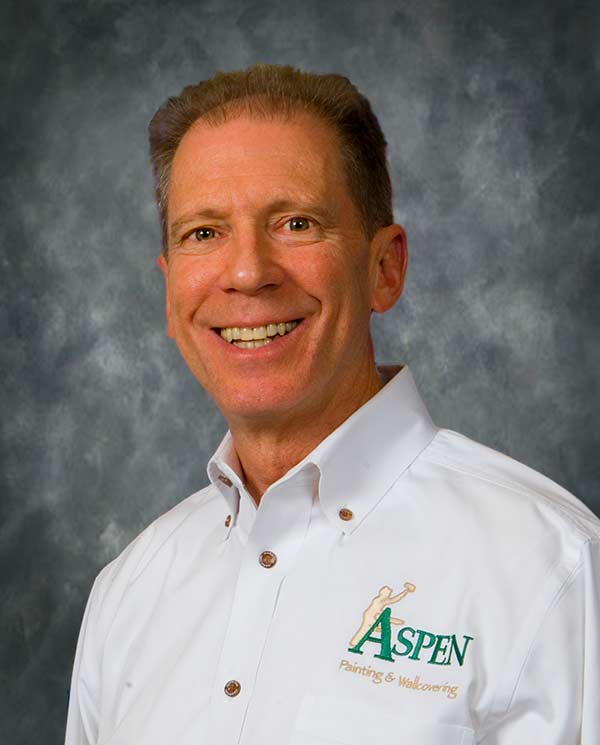
Ray is an inspiring leader with a strong work ethic stemming from his exemplary upbringing in a caring and loving family environment. His parents modeled the importance of integrity and hard work to him and his siblings, values which Ray now instills in his teenage daughter. As the owner of Aspen Painting & Wallcovering, Inc., he leads by example by expecting nothing but the best from himself and his employees. His primary goal is to provide superior service and quality craftsmanship to each of his clients so that they become enthusiastic ambassadors for the company. Ray is a passionate team player who always strives to exceed expectations.