
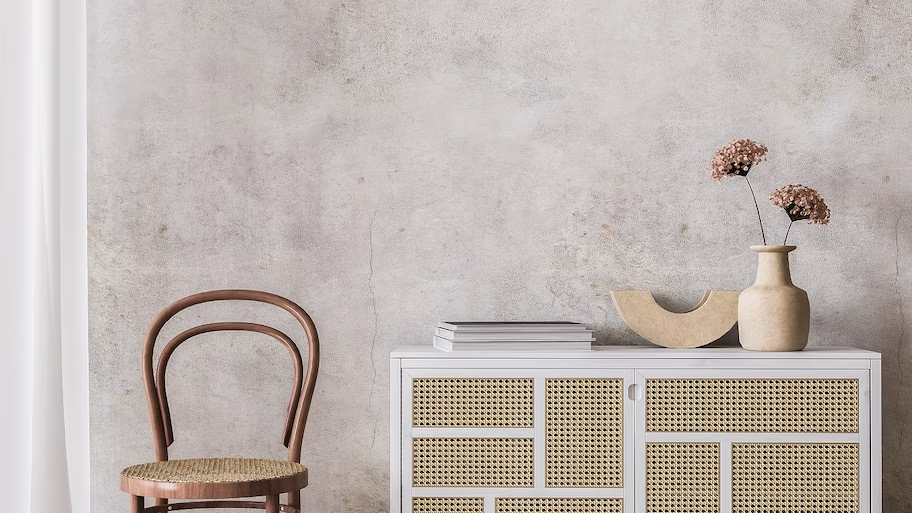
Faux painting, also known as faux finishing, is an incredible way to add texture, depth, and visual interest to your walls without the expense of natural materials like stone, wood, or brick. Whether you want to create the look of Venetian plaster, a soft marble effect, or a rich suede texture, faux painting can transform any space in your home into a work of art. However, the key to success lies in proper preparation and technique. If done incorrectly, faux painting can appear sloppy and uneven. This guide will explore how to achieve stunning results using faux painting correctly. From understanding the tools and materials you need to master specific techniques, this blog will provide you with the knowledge to create beautiful finishes.
1. Understanding Faux Painting: What Is It and Why Use It?
Faux painting is a decorative technique used to mimic the appearance of different materials such as wood, marble, or stone. It’s a versatile way to add character and charm to your walls without the high costs of real materials. But why choose faux painting over other wall finishes?
One of the most significant advantages of faux painting is the creative freedom it offers. You can tailor the design to match your style and enhance your space’s aesthetic appeal. Faux finishes can range from a simple, subtle texture to an elaborate mural that transforms the room entirely. This flexibility makes faux painting a thrilling prospect for those looking to add a unique touch to their home.
Additionally, faux painting can hide imperfections in your walls and add depth where plain paint falls short. The added texture and dimension bring a sophisticated element to your space that’s sure to be a conversation starter. By understanding the benefits and possibilities of faux painting, you can start your project with a clear vision of what you want to achieve, knowing that even if your walls aren’t perfect, they can make them look flawless.
2. Preparation: The Key to Successful Faux Painting
Thorough preparation is the foundation of a successful faux painting project. Before you start applying paint, taking the time to prep your walls properly is a responsible step that will ensure that your final result is flawless and long-lasting.
Clean and Prime the Walls
Start by cleaning the walls to remove dirt, dust, or grease. This step is crucial because any impurities left on the wall can affect the paint’s adhesion and create an uneven finish. Use a damp sponge with mild detergent and allow the wall to dry completely.
Once the wall is clean, apply a primer. Primer creates a smooth and uniform surface for the paint to adhere to, which is especially important for faux finishes. A high-quality primer will help the base coat and glaze layers bond properly, allowing for a more vibrant and professional-looking result.
Choose the Right Base Coat
The base coat is the foundation of your faux painting project, so you can choose a color that complements the desired effect. For instance, opt for a light gray or white base coat to create a marble finish. Use durable latex paint that will hold up well under multiple layers of glaze or additional paint.
3. Tools and Materials: What You Need for Faux Painting
Faux painting requires specific tools and materials to achieve the best results. Having the right supplies on hand will make the process smoother and help you create the desired look without unnecessary setbacks.
Basic Tools
- Paintbrushes and Rollers: You’ll need a variety of brushes and rollers for different textures and effects. Soft-bristle brushes work well for blending glazes, while rollers help apply base coats.
- Sponges: Natural sea sponges are ideal for creating textured effects like a stone finish. Their irregular surface creates a more natural and random pattern.
- Rags and Cheesecloth: Rags are used for rag-rolling techniques, which can create an interesting textured effect on your walls. Cheesecloth can also soften glazes for a more subtle appearance.
- Trowel: A trowel is essential for applying the plaster smoothly if you create a Venetian plaster look.
Materials
- Latex Paint: Choose high-quality latex paint for the base coat. The base coat color will significantly impact the final result, so ensure it complements your faux finish.
- Glaze: A glaze is a semi-transparent medium mixed with paint to create depth and texture. Depending on your desired effect, you can combine the glaze with different colors to create various layers.
- Painter’s Tape: Use painter’s tape to protect areas like trim, windows, and ceilings from paint splatters.
4. Faux Painting Techniques: Achieving Different Effects
Numerous faux painting techniques exist, each offering a distinct look and feel. Understanding the basics of these techniques will help you choose the one that best suits your desired outcome.
Sponging
Sponging is one of the most popular faux painting techniques because it’s easy and effective. After applying your base coat, dip a natural sea sponge into the glaze mixture and dab it onto the wall. The sponge’s random pattern adds a soft, natural texture that works well in almost any room. You can also layer different colors to add depth.
Rag Rolling
Rag rolling involves using a rag or cloth to apply or remove glaze from the wall. Roll a rag dipped in glaze across the wall to achieve this effect in a random pattern. This technique creates a subtle, sophisticated texture and can be done in multiple layers for added complexity. It’s essential to work quickly, as the glaze dries fast and can become difficult to blend if not applied evenly.
Color Washing
Color washing creates a warm, aged look that adds character to any space. Start with a base coat, and once it’s dry, apply a glaze using a large brush in a crisscross motion. A dry brush blends and softens the edges, creating a natural, flowing effect. This technique often creates a Tuscan or Mediterranean vibe and works well in living rooms and dining areas.
Venetian Plaster
Venetian plaster is a more advanced faux painting technique that mimics the look of polished marble or stone. To achieve this effect, several thin layers of plaster are applied to the wall using a trowel. Each layer should be allowed to dry before adding the next, and the final layer can be polished to create a glossy, smooth finish. While this technique requires more skill and patience, the result is a stunning, high-end finish worth the effort.
5. Tips for Success: How to Avoid Common Faux Painting Mistakes
While faux painting can produce fantastic results, some common pitfalls can ruin the overall effect if not addressed. Here are some tips to help you avoid these mistakes and achieve a beautiful finish.
Test Before You Commit
Before diving into a faux painting project, test your technique on a piece of cardboard or a small wall section. This will give you an idea of how the colors and textures will look together and allow you to adjust your technique if needed. It’s much easier to make changes during the testing phase than after the entire wall is done.
Work in Small Sections
Faux painting requires working with wet glazes, which means working in small sections to avoid visible seams or lines. Working in manageable sections will allow you to blend the glaze more effectively, creating a seamless and professional look.
Don’t Overdo It
One of the biggest things that could be improved in faux painting is overworking the surface. Knowing when to stop is essential, whether you’re sponging, rag-rolling, or color-washing. Overworking can lead to a muddy or inconsistent appearance. To avoid this, step back frequently and assess your progress. Sometimes, less is more when it comes to faux finishes.
Maintain Consistent Pressure
Maintaining consistent pressure to ensure an even finish when using tools like sponges, rags, or trowels. Inconsistent pressure can lead to uneven textures and disrupt the overall look of the finish. Practice on a small area to get a feel for the right amount of pressure before moving on to more significant sections.
Faux painting is an excellent way to bring a unique and artistic touch to your home. From subtle textures to dramatic statements, the possibilities are endless when it comes to faux finishes. By understanding the basics of faux painting, preparing your walls properly, using the right tools and materials, and mastering specific techniques, you can achieve great results that will leave your walls looking professionally done. Remember, patience and practice are key—take your time, work in small sections, and don’t be afraid to experiment. With the right approach, faux painting can transform your space into something special.
If you are looking to add a touch of elegance to your interiors, trust Aspen Painting’s expertise in delivering exceptional faux painting finishes. Contact Aspen Painting today to bring your creative vision to life and experience the artistry of professional faux painting.

Ray is an inspiring leader with a strong work ethic stemming from his exemplary upbringing in a caring and loving family environment. His parents modeled the importance of integrity and hard work to him and his siblings, values which Ray now instills in his teenage daughter. As the owner of Aspen Painting & Wallcovering, Inc., he leads by example by expecting nothing but the best from himself and his employees. His primary goal is to provide superior service and quality craftsmanship to each of his clients so that they become enthusiastic ambassadors for the company. Ray is a passionate team player who always strives to exceed expectations.