
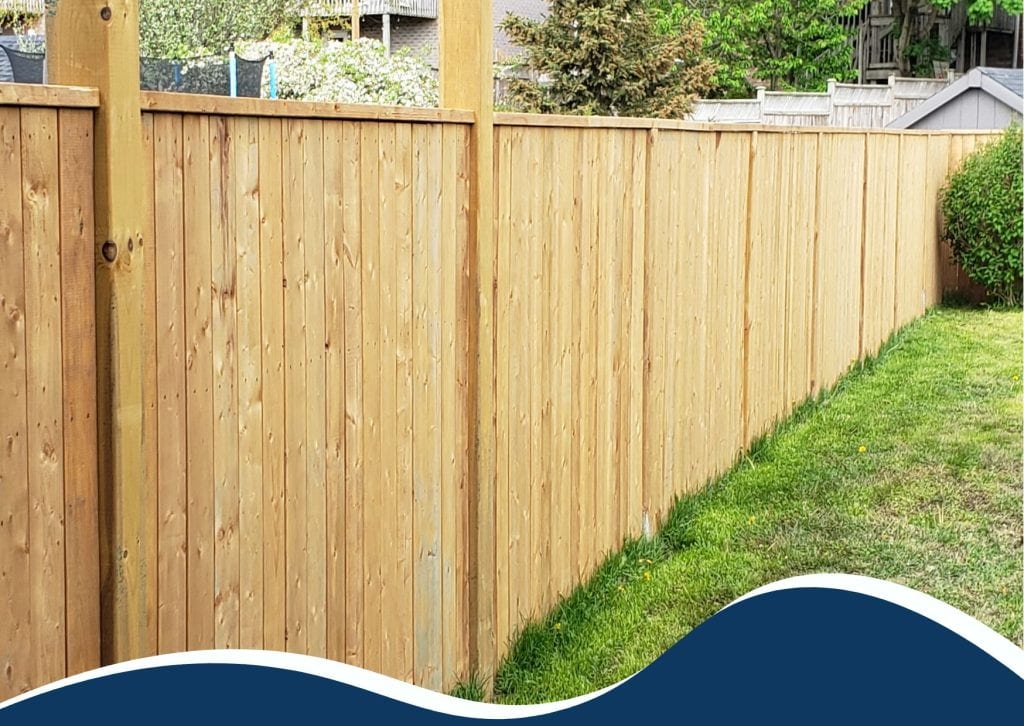
A fence does more than mark property lines.
It shapes curb appeal, adds privacy, frames outdoor space, and affects how the whole exterior feels. When it starts to look faded, worn, or weathered, the yard can quickly seem older than it really is.
That is why so many homeowners start looking into fence updates.
Some want a cleaner look. Some want better protection. Some are simply tired of seeing a fence that looks dry, dull, or neglected. Once that happens, one of the first questions usually sounds simple: should you paint it, stain it, or leave it alone?
For homeowners searching for fence staining contractors in Warrington, PA, the real goal is usually bigger than just putting color on wood. It is about protecting the fence, improving appearance, and making a smart decision that holds up over time.
That is where the right approach matters.
Fence painting is not just a matter of opening a can and brushing on a finish. The condition of the wood, the weather, the prep work, and the product choice all play a major role in how the final result looks and how long it lasts.
This guide walks through the basics of fence painting, common mistakes, when staining may be a better option, and what Warrington homeowners should consider before starting.
Why Fence Finishing Matters More Than Many Homeowners Expect
A fence takes a beating.
It faces rain, sun, wind, humidity, dirt, plant growth, and seasonal shifts. Unlike many other painted surfaces, it is often exposed on both sides and sits close to the ground, where moisture problems can build up more easily.
That is why an unfinished or poorly finished fence can break down faster than many homeowners expect.
When the wood starts absorbing too much moisture or the surface begins failing, the fence may show signs like:
- fading
- peeling
- cracking
- graying
- mildew buildup
- rough texture
- splintering
- uneven color
A good finish helps slow that process.
It also helps the fence look cleaner and more intentional within the yard. That matters in places like Warrington, where homeowners often want outdoor spaces to look polished without feeling overdone.
A fence may not be the first thing people think about when they think of exterior appearance, but once it starts looking rough, it becomes hard to ignore.
Fence Painting vs. Fence Staining: Know the Difference First
Before choosing a finish, it helps to understand that painting and staining are not the same kind of project.
They create different looks.
They age differently.
They also come with different maintenance patterns.
Fence painting
Paint forms a more solid coating over the surface.
It gives stronger color coverage and can hide more flaws in the wood. This makes it useful when the fence has uneven color, patched boards, or a worn appearance that you want to cover more fully.
Painting often works well for homeowners who want a more finished, uniform appearance.
Fence staining
Stain usually soaks into the wood more than paint.
It often allows more of the grain and natural texture to remain visible. Depending on the product, the stain can range from more transparent to more solid in color.
Staining is often chosen by homeowners who want a more natural wood look and easier upkeep over time.
That is why someone searching for fence staining contractors Warrington, PA may still benefit from understanding fence painting basics. The best choice depends on the wood, the fence’s current condition, and the long-term maintenance plan.
Start With the Fence’s Current Condition
This is the first step that homeowners often skip.
They think about color before they think about condition.
That can lead to the wrong product and a disappointing result.
Before painting or staining a fence, look at:
- whether the wood is new or older
- whether there is existing paint or stain
- whether boards are cracked, split, or loose
- whether mildew or algae is present
- whether the fence has water damage near the bottom
- whether the surface feels rough or weathered
- whether repairs are needed before finishing
A fence in good condition gives you more finish options.
A fence with old peeling paint or heavy wear may limit those options. For example, if a fence has already been painted several times, switching to stain is usually not simple. On the other hand, if the fence is bare wood or only lightly weathered, staining may be a better fit.
That is why the condition of the fence should lead the conversation, not just the look you want.
Tip #1: Never Skip Proper Cleaning
This is one of the biggest mistakes in fence finishing.
Homeowners see fading and think the fix is more product.
Often, the first need is cleaning.
A dirty fence can trap dust, pollen, mildew, and surface grime under the new finish. That weakens adhesion and affects the final appearance. Even a high-quality paint or stain can fail early if applied over a surface that was not properly cleaned.
Cleaning helps by:
- removing built-up dirt
- exposing surface issues
- improving finish adhesion
- creating a more even result
- revealing whether repairs are needed
For fences near landscaping, trees, or garden beds, this matters even more. Those areas often collect more debris and moisture over time.
A clean surface gives the next step a real chance to last.
Tip #2: Let the Wood Dry Fully Before Finishing
Cleaning is important.
Drying is just as important.
Wood that still holds too much moisture can create problems under paint or stain. The finish may not bond properly, which can lead to uneven absorption, a blotchy appearance, peeling, or early wear.
This is especially important after:
- pressure washing
- heavy rain
- long damp stretches
- morning dew during humid weather
A fence may look dry on the surface but still hold moisture deeper in the wood.
That is why timing matters. Rushing into paint or stain too soon can turn a good-looking project into a short-lived one.
For homeowners in Warrington, where weather shifts can quickly affect outdoor surfaces, planning for dry conditions is one of the smartest parts of the process.
Tip #3: Repair Before You Paint
Paint and stain are not repair products.
They improve and protect a surface, but they do not fix loose boards, failed fasteners, or damaged sections of wood.
If a fence has:
- leaning sections
- split pickets
- loose nails
- rotted boards
- broken rails
- heavy bottom-edge damage
those issues should be handled before finishing starts.
This matters for both appearance and performance.
A freshly painted fence still looks poor if the lines are uneven or the boards are loose. Just as important, a finish applied over failing wood will not solve the underlying problem.
If you want the project to hold up, the structure has to be worth protecting.
Tip #4: Match the Finish to the Fence, Not Just the Trend
A lot of homeowners pick a finish based on photos.
That is understandable, but outdoor surfaces need more than trend appeal.
The right finish should match:
- the fence material
- the age of the wood
- the current coating
- the amount of sun exposure
- how natural or polished you want the result to look
- how much maintenance are you willing to do later
For example, a heavily weathered older fence may not be the best candidate for a light transparent stain. A newer wood fence may not need the heavy coverage of a full paint system if the homeowner wants to keep the wood appearance visible.
This is one reason some homeowners searching for fence staining contractors in Warrington, PA, end up choosing stain even when they initially thought they wanted paint.
Stain often makes sense when the goal is wood protection with a more natural appearance.
Paint often makes sense when the goal is stronger coverage and a more uniform look.
Tip #5: Understand That Prep Work Is the Real Job
Many people think the visible finish is the whole project.
It is not.
The visible finish is what people notice, but prep work is what gives it a chance to last.
Good prep can include:
- inspection
- cleaning
- surface drying
- scraping failing material
- sanding rough areas
- replacing damaged boards
- masking nearby surfaces
- choosing the right day for the application
This is where many low-cost jobs fall apart.
If the prep is rushed, even a nice-looking fence may begin failing sooner than expected. That is why price alone should never be the only factor when comparing fence work.
The lower quote is not always the better value.
Tip #6: Be Realistic About Maintenance
This is one of the most useful things a homeowner can understand before choosing paint or stain.
No exterior wood finish lasts forever.
Sun, moisture, dirt, temperature swings, and daily exposure all work against the surface. The question is not whether maintenance will be needed. The question is what kind of maintenance you want to deal with later.
Paint maintenance
Paint can look clean and polished.
But once it starts peeling, chipping, or wearing thin, touch-ups and recoating can become more labor-heavy. Paint failure is often easy to spot and may require more scraping and prep the next time around.
Stain maintenance
Stain often fades more gradually.
That can make maintenance feel easier, since the fence may simply need cleaning and refreshing rather than the heavier work that peeling paint can require.
For many homeowners, that is one reason stain feels easier to live with over time.
Tip #7: Choose Color With the Whole Property in Mind
Fence color should not be chosen in isolation.
It should work with the house, the yard, and the overall exterior feel.
A strong fence color can look appealing on its own, but still feel wrong when paired with siding, trim, patio materials, landscaping, or neighboring structures.
Before choosing a finish, think about:
- the home’s exterior color
- trim and shutter tones
- deck or patio materials
- the style of the yard
- whether you want contrast or softness
- whether the fence should stand out or blend in
Some homeowners want the fence to make a stronger statement.
Others want it to quietly support the property without drawing too much attention.
Both approaches can work.
The important part is choosing intentionally.
Tip #8: Watch the Weather Window
Exterior finishing is not just about temperature.
It is also about timing, humidity, rain risk, surface dryness, and the number of hours the finish has to set properly.
Bad timing can affect:
- adhesion
- drying
- sheen consistency
- surface absorption
- long-term durability
That is why fence painting and staining should be planned with the weather in mind, rather than squeezed into the first available afternoon.
A project done in the wrong conditions may look acceptable at first and still fail early.
Tip #9: New Wood and Old Wood Behave Differently
Not all fences finish the same way.
A newer fence may need time to settle before certain finishes are applied well. An older fence may absorb product unevenly if it has dried out or weathered heavily.
This affects:
- finish selection
- color appearance
- absorption rate
- number of coats needed
- overall consistency
That is why the same product does not perform the same way on every fence.
A finish plan should take the age and condition of the wood into account rather than assuming all lumber behaves alike.
Tip #10: Do Not Assume Paint Is Always Better Just Because It Covers More
This is a common belief.
A lot of homeowners think more coverage means more protection.
That is not always the right way to look at it.
Paint gives stronger surface coverage.
That can be helpful when the wood has visual flaws or when the goal is a more finished appearance.
But stronger coverage also means a more film-like surface, and that comes with its own maintenance pattern over time.
Stain may offer less surface concealment, but it can still be the smarter choice when:
- the wood grain is attractive
- the fence is in decent condition
- the homeowner wants easier upkeep
- a more natural look fits the property better
That is why homeowners researching fence staining contractors Warrington PA are often asking the right question. In many cases, the better answer is not the finish that covers the most. It is the finish that best fits the fence.
Common Fence Painting Mistakes to Avoid
A lot of fence projects go wrong for very predictable reasons.
Here are some of the most common mistakes:
Painting or staining a dirty surface
This traps problems under the finish.
Ignoring repairs
Loose or damaged boards should not be left for later.
Finishing damp wood
Moisture creates performance problems.
Using the wrong product for the existing surface
Not every fence should be treated the same way.
Rushing prep
The finish may look good briefly, but it will fail sooner.
Choosing only on color
Appearance matters, but performance matters just as much.
Forgetting long-term upkeep
The easiest finish to apply is not always the easiest finish to maintain.
Avoiding these mistakes often saves more money than homeowners realize.
How to Decide Between Fence Painting and Fence Staining
If you are not sure which direction makes sense, use this practical breakdown.
Choose fence painting when:
- the fence has already been painted
- you want stronger coverage
- the wood has more visible flaws
- you want a more uniform, finished look
- you are prepared for possible heavier upkeep later
Choose fence staining when:
- you want the wood look to remain visible
- the fence is in decent structural condition
- you prefer a more natural appearance
- you want simpler maintenance in many cases
- you want the finish to wear more gradually
This is often the clearest way to think about the project.
Do not ask only which finish looks better on day one.
Ask which finish fits the fence, the property, and your maintenance expectations over time.
Why Homeowners Often Hire a Professional
Fence work seems simple until the details start adding up.
That is when many homeowners realize the project involves more than product and brushes.
A professional approach can help with:
- identifying the existing finish
- spotting repair needs
- planning prep correctly
- choosing between paint and stain
- working around weather conditions
- creating a more even result
- avoiding early finish failure
This is especially helpful when the fence is older, has mixed wear patterns, or already has a history of coatings.
For homeowners looking for fence staining contractors in Warrington, PA, the value of a professional goes beyond the application itself. It is the judgment involved in knowing what the fence needs before finishing ever begins.
Fence painting can improve appearance, support protection, and help the whole yard feel more cared for.
But a better-looking fence starts with better decisions.
The smartest fence projects in Warrington usually come down to a few key things:
- understanding the condition of the wood
- cleaning and repairing before finishing
- choosing paint or stain based on the actual fence
- planning around weather and drying conditions
- thinking ahead about upkeep
If you want stronger coverage and a more solid look, paint may be the right fit.
If you want a more natural appearance and often simpler maintenance, a stain may be the better option.
That is why, even in a guide about fence painting, it makes sense to talk about staining as well. For many homeowners, the best result comes from choosing the finish that works best for the fence instead of forcing the fence to fit the finish.
That is what leads to a better-looking project and better value over time.
FAQs
1. Is fence painting better than fence staining?
Not always. Fence painting offers stronger coverage and a more uniform look, while staining often provides a more natural appearance and can be easier to maintain over time.
2. Should I paint or stain an older fence?
It depends on the condition of the wood and whether the fence already has an existing coating. Older fences in decent shape may do well with stain, while fences with paint history may be better candidates for repainting.
3. How important is prep before painting a fence?
Prep is one of the most important parts of the project. Cleaning, drying, scraping, sanding, and repairs all affect how well the finish performs.
4. Why do homeowners look for fence staining contractors in Warrington, PA?
Many homeowners want a finish that protects the fence while keeping a more natural wood look. Staining is often appealing because it can offer a softer appearance and simpler upkeep.
5. How do I know if my fence is ready for painting or staining?
The fence should be clean, dry, structurally sound, and free of any major failing materials before finishing begins. If there are repairs or moisture issues, those should be handled first.

Ray is an inspiring leader with a strong work ethic stemming from his exemplary upbringing in a caring and loving family environment. His parents modeled the importance of integrity and hard work to him and his siblings, values which Ray now instills in his teenage daughter. As the owner of Aspen Painting & Wallcovering, Inc., he leads by example by expecting nothing but the best from himself and his employees. His primary goal is to provide superior service and quality craftsmanship to each of his clients so that they become enthusiastic ambassadors for the company. Ray is a passionate team player who always strives to exceed expectations.