
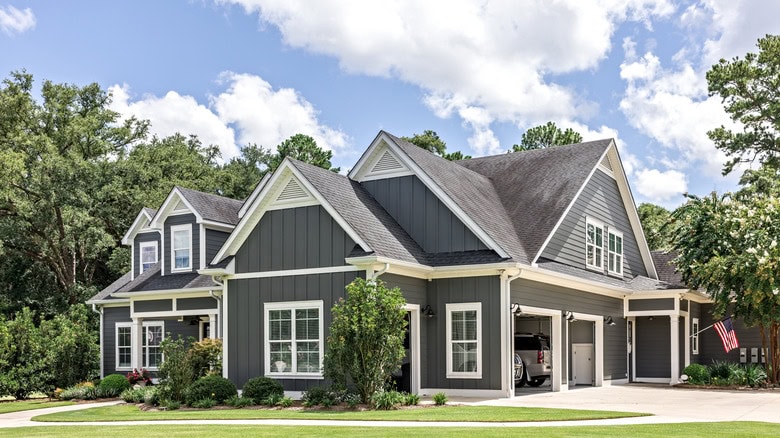
What’s the first thing you notice when you pull into a neighborhood? Maybe it’s the neatly trimmed hedges, the inviting walkway, or that gorgeous front porch adorned with flower pots. More often than not, the element that truly stands out is the color and condition of the home’s exterior paint. A well-maintained exterior offers an immediate sense of pride, security, and warmth, capturing the charm of Pennsylvania neighborhoods and setting the tone for the entire property.
Exterior painting isn’t merely about slapping on a fresh coat of color; it’s a strategic investment in your home’s future value and overall appearance. For residents of Pennsylvania—where the climate can be unpredictable, and architectural styles vary from historic rowhouses to suburban craftsman homes—choosing the right paint, color palette, and professional crew can make all the difference. In this article, we’ll delve into why curb appeal is so crucial in Pennsylvania communities, how to select paint colors that match local architectural styles, and the importance of quality preparation and application. A well-prepared and professionally applied paint job can give you confidence in the longevity of your investment, ensuring your home looks its best for years to come.
Whether you’re planning to sell your home shortly or simply want to take pride in your property’s appearance, exterior painting is a vital step in enhancing curb appeal. With the right approach, you can elevate your home’s aesthetic, protect its structural integrity, and even reduce maintenance costs. Ready to explore how exterior painting can transform your Pennsylvania home? Let’s get started.
1. The Importance of Curb Appeal in Pennsylvania Neighborhoods
Every region in the United States has its own style and charm, and Pennsylvania is no exception. Each property tells a story, from the historic streets of Philadelphia lined with classic rowhouses to the picturesque suburbs with spacious lawns. Regardless of architectural design, one universal truth remains: curb appeal is the first impression your home makes.
1.1. Community Pride and Aesthetics
Curb appeal is not just about personal satisfaction; it fosters a sense of community. When one home on the street undergoes a dramatic exterior makeover, it often inspires neighbors to refresh their houses. This collective effort contributes to a cohesive, visually appealing neighborhood where everyone benefits from elevated property values. By investing in exterior painting, you’re not just improving your home but also boosting the area’s overall aesthetic standard, fostering a sense of shared responsibility and belonging.
1.2. Property Value and Marketability
For homeowners looking to sell, curb appeal can significantly impact your home’s resale value and the speed at which it sells. A well-maintained exterior sets the tone for potential buyers, signaling that the entire property has been cared for diligently. Even if your home’s interior is immaculate, a shabby or peeling exterior can scare buyers, often causing them to look elsewhere. In Pennsylvania, where real estate competition can be robust, a fresh coat of paint might be the edge you need to stand out in the market.
1.3. Protection Against the Elements
Pennsylvania experiences a range of weather patterns, from snowy winters to humid summers. The home’s exterior finish acts as a shield, protecting against moisture, temperature fluctuations, and even pests. Over time, worn paint can crack or peel, exposing underlying materials to rot or mold. Regularly updating your home’s exterior paint adds a layer of protection that helps preserve its structural integrity, saving you from costlier repairs in the long run. This reassurance of your home’s durability can provide a sense of security and peace of mind.
2. Climate Considerations for Exterior Painting in PA
Pennsylvania’s climate is classified as humid continental, meaning hot summers and cold, often snowy winters. These conditions can be challenging for many exterior paints, so choosing the right products and scheduling your painting project carefully is crucial.
2.1. Temperature and Seasonal Timing
Painting in extreme heat can cause paints to dry too quickly, leading to uneven finishes or bubbles. Conversely, painting in cold weather can extend drying times and affect paint adhesion. In Pennsylvania, late spring and early fall are typically the best seasons to paint, offering moderate temperatures and lower humidity. Scheduling your project during these ideal windows ensures the paint dries appropriately and forms a durable bond.
2.2. Moisture Management
Humidity and rainfall are frequent concerns in Pennsylvania, especially in the summer. Moisture can seep under peeling paint, cause wood swelling, and even promote mold growth. High-quality primers and paints designed for moisture resistance are invaluable in these conditions. Plus, proper surface preparation—such as power washing and thorough drying—removes any lingering moisture before the new paint is applied.
2.3. UV Exposure
While Pennsylvania isn’t known for the relentless, scorching sun year-round, UV rays can still fade exterior paint over time, particularly on south—or west-facing walls. Selecting paint with UV-resistant properties can help maintain vibrant colors and slow aging. You’ll also want to consider how shade from nearby trees or neighboring houses might affect different sections of your home, as uneven exposure can sometimes cause irregular fading.
3. Paint Color Selection: Aligning with Local Architecture
Pennsylvania’s architectural diversity means you’ll encounter colonial-style homes, Victorian houses, rural farmhouses, and modern suburban builds—all within a few miles of each other. Each style carries its historical and aesthetic cues, making color selection a nuanced task.
3.1. Historic District Guidelines
If your home is in or near a designated historic district, such as those in Philadelphia, Bethlehem, or Lancaster, you may need to adhere to specific guidelines for exterior alterations, including paint color. These regulations are in place to preserve the historical authenticity of the neighborhood. Before starting your project, it’s important to consult with local heritage or preservation boards to ensure your color choices align with any requirements.
3.2. Coordinating with Landscaping and Surroundings
Pennsylvania’s lush greenery, particularly in spring and summer, can significantly influence how colors appear. For instance, a bold red might look striking against a snow-covered yard in winter but clash with flowering shrubs in summer. It’s crucial to consider the existing landscape elements—trees, flower beds, walkways—and select a palette that harmonizes with your property’s natural surroundings.
3.3. Timeless vs. Trendy
While it’s tempting to pick the “color of the year,” it’s wise to think about longevity in terms of style and how well it hides wear. Neutral tones (shades of white, beige, gray, or soft pastels) often provide a classic, timeless look. On the other hand, adding a pop of color—such as a red or navy blue front door—can inject personality without overwhelming the entire exterior. Balancing timelessness with a few contemporary touches allows your home to feel current without requiring frequent repaints when trends shift.
3.4. Using Online Tools and Expert Consultations
Numerous paint manufacturers offer online visualizers to help you experiment with different color schemes. However, the digital representation may differ slightly from how the color appears in real life. Always test paint swatches on a small, inconspicuous area of your home and observe them at various times of day. For more specific guidance, consult a professional painting service experienced in Pennsylvania’s architectural styles and climate challenges. Their expertise can ensure your color choice looks tremendous and endures local weather conditions.
4. Preparation and Techniques: The Difference a Professional Touch Makes
While DIY projects can be fun for some interior spaces, painting a home’s exterior is more complex. From scaffolding safety to specialized tools, professionals bring various skills that ensure a high-quality, durable finish.
4.1. Thorough Surface Preparation
Painting is only as good as the surface underneath. Before applying primer or paint, the exterior must be cleaned (usually via power washing), scraped for peeling paint, and sanded to smooth transitions. Cracks or gaps near windows, doors, and other openings should be sealed with caulk to prevent moisture infiltration. Skipping or rushing this prep work can lead to premature paint failure, which will cost more in the long run.
4.2. Quality Priming for Enduring Results
Primer serves as the undercoat, helping the paint adhere better and creating a consistent base for color application. With Pennsylvania’s weather extremes, a high-quality exterior primer is especially crucial. Using a primer formulated for moisture resistance and mildew prevention can further extend the life of your paint job.
4.3. Selecting the Right Tools and Techniques
A professional painting crew can access commercial-grade sprayers, scaffolding, high-quality brushes, and specialized rollers. They understand the optimal painting techniques—like back-rolling after spraying or applying multiple thin coats instead of one thick layer—that ensure even coverage and longevity. They’re also trained in safety measures when working on ladders or higher stories, reducing the risk of accidents.
4.4. Efficient Project Management
One of the most significant advantages of hiring professionals is their ability to manage the project efficiently. They can anticipate weather changes, handle unexpected repairs (like rotting wood or gutter issues), and stick to a predetermined timeline. This level of organization is particularly valuable in Pennsylvania, where a sudden rainstorm or temperature drop can derail an unprepared DIY project.
5. Maintaining Your Home’s Fresh Look in Pennsylvania’s Weather
After investing time and money into a top-notch exterior paint job, you’ll want to protect that investment for as long as possible. Regular upkeep can significantly extend the life of your paint and keep your home looking its best throughout every season.
5.1. Seasonal Inspections
Make a habit of inspecting your home’s exterior every spring and fall. Look for peeling paint, cracks in the siding, or areas where moisture might collect. Early detection of minor issues—like a bit of peeling near a gutter—can prevent more extensive damage later. Addressing these minor problems quickly ensures the rest of your paint job remains intact.
5.2. Cleaning Gutters and Downspouts
When gutters clog, water can overflow and run down the exterior walls, leading to paint discoloration, mildew, or rot. Leaves and debris can accumulate rapidly in Pennsylvania’s fall season. Regularly cleaning gutters, particularly after the leaves have dropped, safeguards your home’s exterior.
5.3. Power Washing
Dirt, pollen, and pollutants can accumulate on your home’s surfaces. A gentle power wash once a year removes these contaminants, revealing the vibrant paint underneath. However, avoid using excessive pressure, as this can damage paint or wood siding. Consult a professional if you’re uncertain about the correct settings or technique.
5.4. Routine Touch-Ups
Even the best paint job will eventually show signs of wear in high-traffic or high-exposure areas, such as window frames and door trims. Set aside a small quantity of the paint used for these areas. With regular touch-ups, you’ll keep your exterior looking fresh, delaying a full repaint for a few more years.
5.5. Professional Assessments
Consider scheduling a professional assessment of your exterior every five to seven years. Experienced painters can identify potential weaknesses, advise on any necessary spot treatments, and estimate when you need a complete repaint. This proactive approach can save you from unexpected expenses and continuously maintain your home’s curb appeal.
Exterior painting is far more than a weekend project; it’s an essential aspect of homeownership in Pennsylvania. From protecting your home against the elements to enhancing its overall appearance, a strategic and well-executed paint job can pay dividends in increased property value, reduced maintenance costs, and a longer lifespan for your siding and trim.
When you invest in quality materials, thoughtful color selection, and professional expertise, the benefits of boosted curb appeal ripple throughout your neighborhood. You’re elevating your own property and contributing to a community-wide standard of beauty and upkeep that makes Pennsylvania’s neighborhoods so uniquely charming.
If you’re considering an exterior refresh, remember Pennsylvania’s climate nuances. Aim for the ideal painting season, choose products engineered for moisture and UV resistance, and don’t underestimate the importance of thorough preparation. Partnering with a professional painting service is often the wisest choice for a surefire way to get it right the first time. They’ll guide you through the process—from color selection and primer application to final touch-ups—ensuring your home remains a standout in your neighborhood for years.
Ready to transform your Pennsylvania home? Whether you’re seeking a fresh color palette or need to restore peeling paint, an experienced exterior painting crew can help you create a beautiful, durable result. Elevate your curb appeal, protect your investment, and take pride in a home that reflects the best of the Keystone State.
FAQ
How does exterior painting improve the overall appeal of a neighborhood?
Exterior painting refreshes the look of homes, creating a cohesive and well-maintained appearance across the neighborhood. A fresh coat of paint can cover up wear and tear, making properties look newer and more inviting, which uplifts the visual charm of the entire area.
Can exterior painting increase property values in a neighborhood?
Yes, a well-painted exterior can significantly boost curb appeal, which often translates to higher property values. When multiple homes in a neighborhood invest in exterior painting, it signals a cared-for community, attracting potential buyers and increasing demand.
What role does color choice play in enhancing neighborhood aesthetics through exterior painting?
Choosing harmonious or complementary colors for exterior painting can create a unified look in a neighborhood. Neutral or trendy shades often appeal to a broader audience, while avoiding clashing colors helps maintain a pleasant and balanced streetscape.
How often should exterior painting be done to maintain neighborhood appeal?
Depending on the climate and quality of paint, exterior painting should typically be refreshed every 5 to 10 years. Regular maintenance prevents fading, peeling, or cracking, ensuring the neighborhood consistently looks polished and attractive.
Does exterior painting have environmental or community benefits beyond aesthetics?
Exterior painting can contribute to energy efficiency by using reflective or insulating paints, which reduce heating and cooling costs. Additionally, a neighborhood that looks well-kept through painting efforts often fosters a sense of pride and community engagement among residents.

Ray is an inspiring leader with a strong work ethic stemming from his exemplary upbringing in a caring and loving family environment. His parents modeled the importance of integrity and hard work to him and his siblings, values which Ray now instills in his teenage daughter. As the owner of Aspen Painting & Wallcovering, Inc., he leads by example by expecting nothing but the best from himself and his employees. His primary goal is to provide superior service and quality craftsmanship to each of his clients so that they become enthusiastic ambassadors for the company. Ray is a passionate team player who always strives to exceed expectations.