
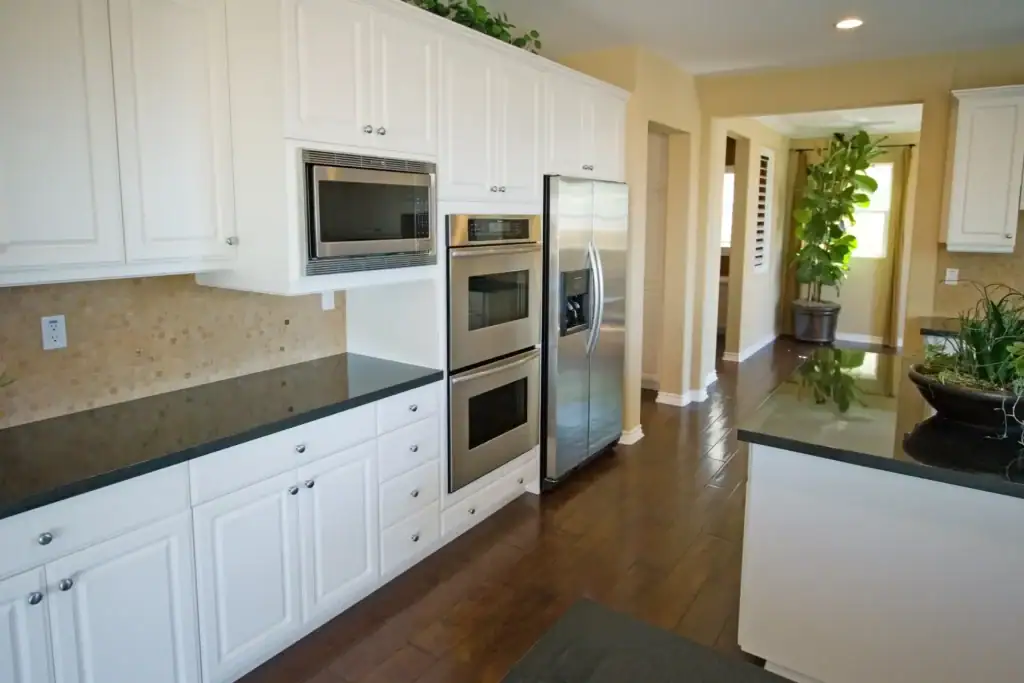
Why Churchville Homeowners Compare Cabinet Painting and Replacement
Kitchen cabinets have a major impact on how a kitchen looks and feels. Even when the layout still works well, older cabinet colors, worn finishes, and outdated wood tones can make the entire space feel tired.
That is why many homeowners start comparing two common options: painting the cabinets or replacing them.
For many kitchens, cabinet painting Churchville, PA can create a fresh, updated look without removing the existing cabinet boxes. It can brighten the space, modernize the style, and help the kitchen feel cleaner and more current.
Cabinet replacement is a larger project. It usually involves removing the existing cabinets and installing new ones. This can make sense when the cabinet layout no longer works, the boxes are damaged, or the homeowner wants a full kitchen change.
The right choice depends on the condition of your cabinets, your budget, your timeline, and the kind of change you want to see.
What Cabinet Painting Actually Involves
Cabinet painting is not the same as quickly brushing paint over cabinet doors. A quality cabinet painting project requires cleaning, sanding, priming, and applying a finish that is suitable for daily kitchen use.
Kitchen cabinets collect grease, cooking residue, fingerprints, dust, and moisture over time. These surfaces need to be prepared correctly so the new coating can bond well.
The process often includes removing doors and drawer fronts, labeling hardware, cleaning the cabinet surfaces, sanding or scuffing, applying primer, and finishing with durable cabinet-grade paint.
The goal is to create a smooth, even finish that updates the cabinets’ appearance while keeping the existing cabinet structure in place.
For Churchville homeowners who like their current layout, cabinet painting can be a practical way to refresh the kitchen without committing to a larger renovation.
What Cabinet Replacement Means
Cabinet replacement is a much bigger project than painting. It usually means removing the current cabinets and installing new cabinet boxes, doors, drawers, and hardware.
Replacement may also involve changes to countertops, backsplash, flooring, plumbing, or electrical work, depending on the kitchen’s layout. When cabinets are removed, nearby materials can be affected.
This option is often chosen when the existing cabinets are in poor condition, the layout is frustrating, storage is limited, or the homeowner wants a very different kitchen design.
New cabinets can change the kitchen’s functionality. They can add drawers, taller storage, specialty organizers, larger pantry sections, or a new island layout.
However, replacement usually requires more time, more planning, and a larger budget. It can also cause more disruption in the home while the work is being completed.
The Biggest Difference: Surface Update vs. Full Change
The main difference between cabinet painting and cabinet replacement is the type of change each option provides.
Cabinet painting changes the appearance of the existing cabinets. It updates the color and finish while keeping the same cabinet boxes, layout, and general structure.
Cabinet replacement changes the cabinets themselves. It can alter the layout, storage, door style, cabinet height, and overall function of the kitchen.
If your cabinets are solid and the layout works, painting may be enough to give the kitchen the fresh look you want. If the cabinets are damaged, poorly arranged, or no longer meet your storage needs, replacement may be the better option.
This is why the decision should start with an honest look at the cabinets. Are they structurally sound? Do the doors close well? Are the boxes stable? Does the layout work for how your household uses the kitchen?
The answers will help you choose the right option.
When Cabinet Painting Makes Sense
Cabinet painting is often a good choice when the cabinets are in good condition but look outdated. Many Churchville kitchens have sturdy cabinets, but the finish no longer matches the homeowner’s style.
Painting can work well when the cabinet boxes are strong, the doors are not warped, and the layout still makes sense. If the kitchen functions well but feels dark, dated, or worn, painting can make a major visual difference.
This option can also be helpful when homeowners want to brighten a kitchen. Dark wood cabinets can make a room feel smaller, especially if the kitchen receives little natural light. A softer white, warm neutral, muted green, navy, or light gray can change the mood of the space.
Cabinet painting is also a strong choice when the homeowner wants an update without the larger disruption of cabinet replacement.
When Cabinet Replacement May Be Better
Replacing cabinets may be better when they are not in good condition. If cabinet boxes are sagging, water-damaged, cracked, swollen, or poorly built, painting may not solve the deeper issue.
Replacement may also make sense when the layout does not work. If the kitchen lacks storage, has awkward corners, has poorly placed cabinets, or does not support the way the family cooks and moves through the space, new cabinets may be worth considering.
Some homeowners also choose replacement when they want a completely different door style or cabinet configuration. Painting can update the color, but it will not change the shape of the doors or the structure of the cabinets.
If you want taller upper cabinets, more drawers, a new island, built-in pantry storage, or a different cabinet footprint, replacement is usually the better fit.
The key is to decide whether your main issue is appearance or function. Appearance problems often point toward painting. Function problems may point toward replacement.
Cost Considerations for Churchville Kitchens
Cost is one of the biggest reasons homeowners compare these two options. Cabinet painting is usually more budget-friendly than full cabinet replacement because it works with the cabinets already in place.
Replacement often involves new materials, removal, installation, and possible related updates. The cost can rise if countertops, backsplash, flooring, or wall repairs are affected during the project.
Cabinet painting costs can vary based on the number of doors and drawers, cabinet condition, paint system, prep work, color choice, and finish expectations.
A small kitchen with simple cabinet doors will usually be different from a large kitchen with many drawers, detailed panels, glass doors, an island, or built-in sections.
For homeowners researching cabinet painting in Churchville, PA, the most helpful estimate is one based on the actual kitchen. That way, the project scope is clear from the beginning.
Timeline and Disruption
Cabinet painting and replacement also differ in terms of household disruption.
Cabinet painting can still require planning, especially because the kitchen is a busy part of the home. Doors and drawer fronts may need to be removed, surfaces need preparation, and coatings need proper dry time.
However, painting typically keeps the existing kitchen structure in place. The project does not usually involve tearing out cabinet boxes or rebuilding the kitchen layout.
Cabinet replacement can be more disruptive. The kitchen may be harder to use while cabinets are removed and new ones are installed. If other work is involved, such as countertop or backsplash changes, the project can take longer.
For homeowners who want a noticeable update without turning the kitchen into a larger renovation zone, cabinet painting can be appealing.
How Cabinet Condition Affects the Decision
Cabinet condition should be one of the first things you review. Paint can improve a cabinet’s appearance, but it cannot fix a weak cabinet box or a poor layout.
Look at the doors, drawers, hinges, frames, and boxes. Are the cabinet doors closing correctly? Are the drawer fronts secure? Are there areas where moisture has caused swelling? Are the boxes still solid?
Normal surface wear is different from structural damage. Scratches, dull finish, faded stain, and outdated color are often good reasons to paint. Soft wood, broken frames, water-damaged panels, and loose cabinet boxes may call for replacement.
If the cabinets are well-built but visually dated, painting can be a smart update. If the cabinets are falling apart, replacement may save frustration later.
Style Changes You Can Achieve With Cabinet Painting
Cabinet painting can create a wide range of style changes. A kitchen with dark wood cabinets can become lighter and more open. A plain kitchen can feel warmer with a soft neutral or richer with a deep accent color.
Popular cabinet colors often include warm white, cream, greige, soft gray, sage green, deep blue, charcoal, and muted taupe. The right choice depends on the flooring, countertops, backsplash, lighting, and the home’s overall feel.
Two-tone cabinets can also be an option. Some homeowners choose a darker color for the island and a lighter color for the perimeter cabinets. Others use a deeper lower cabinet color with lighter upper cabinets.
Painting can also help older cabinets work better with newer hardware. Fresh color and updated handles can make the kitchen feel more current without replacing every cabinet.
While painting does not change the door profile, it can still make a strong visual impact.
Style Changes You Can Achieve With Replacement
Replacement offers more design freedom. With new cabinets, you can change door styles, storage layouts, cabinet heights, drawer systems, and overall configuration.
This can be helpful if your current kitchen feels inefficient. New cabinets can improve access, add pull-out storage, include deeper drawers, or better utilize corner spaces.
Replacement can also support a larger kitchen renovation. If walls are being moved, appliances are being relocated, or the layout is changing, new cabinets may be necessary.
For homeowners who want a full transformation, replacement offers options that painting cannot. However, it is also a larger investment and often requires more decisions.
The choice depends on whether you want to refresh what exists or redesign the kitchen from the ground up.
Durability: Painted Cabinets vs. New Cabinets
Durability depends on product quality, preparation, application, and daily use. Painted cabinets can hold up well when they are properly cleaned, sanded, primed, and finished with the right coating.
Kitchen cabinets are touched every day, so the finish needs to withstand fingerprints, moisture, cooking, and cleaning. This is why surface preparation is so important.
New cabinets can also vary in durability. The material, construction, finish, and installation quality all matter. Not every new cabinet is automatically better than an existing, well-built cabinet.
A well-painted, sturdy older cabinet can often be a good candidate for continued use. A low-quality new cabinet may not perform as well as expected.
For either option, homeowners should think about long-term use. The kitchen is one of the most active areas of the home, so durability should be a factor in the decision.
Why Prep Work Matters for Cabinet Painting
Preparation is what separates a rushed cabinet paint job from a smoother, longer-lasting finish. Cabinets need more prep than standard walls because they are handled so often and exposed to kitchen residue.
Grease and buildup must be removed before sanding and priming. If these materials remain on the surface, paint may not bond properly.
Sanding or scuffing helps create a surface that primer can grip. Primer helps block stains, improve adhesion, and create a better base for the finish coats.
Edges, corners, panels, and frames all need attention. Cabinet doors also need to be handled carefully so the finish looks consistent.
A clean process can help reduce drips, rough spots, brush marks, and uneven coverage. For homeowners considering cabinet painting, prep work should never be treated as a minor step.
How Color Choice Impacts the Finished Kitchen
Color choice can completely change how a kitchen feels. Lighter cabinet colors can make the room feel larger, brighter, and cleaner. This can be especially helpful in kitchens with limited natural light.
Darker cabinet colors can create contrast and depth. They can work well on islands, lower cabinets, or kitchens with lighter walls and countertops.
Warm whites and soft neutrals are popular because they work with many design styles. Greens and blues can add personality while still feeling calm and inviting.
Before choosing a cabinet color, look at the kitchen as a whole. Countertops, backsplash, flooring, wall color, appliances, and lighting all affect how the cabinet color will appear.
A color that looks perfect on a small sample may look different across an entire wall of cabinets. Testing and comparing colors in the actual kitchen lighting can help.
Can Cabinet Painting Increase Home Appeal?
Cabinet painting can enhance a kitchen’s appeal, especially when the current cabinets are outdated but still in good condition.
A fresh cabinet color can make the kitchen feel more cared for and move-in ready. This can be helpful for homeowners who plan to stay in the home and enjoy the update, as well as for those considering selling.
Kitchens often leave a strong impression. If the cabinets look worn, dark, or dated, the whole kitchen can feel older. Painting can help create a cleaner, more up-to-date appearance.
For many Churchville homeowners, cabinet painting offers a balance between visual impact and project size. It can refresh the kitchen without requiring a full remodel.
Common Mistakes When Choosing Between Painting and Replacement
One common mistake is choosing replacement when the cabinets only need a visual update. If the cabinet boxes are sturdy and the layout works, painting may provide the change you want without the cost and disruption of replacement.
Another mistake is choosing painting when the cabinets are too damaged. Paint can refresh the surface, but it will not make weak cabinets strong again.
Some homeowners also focus only on color and forget about finish quality. Kitchen cabinets need a finish that can handle daily use.
Another mistake is underestimating prep work. Cabinet painting requires patience and the right process. Skipping cleaning, sanding, or priming can lead to poor results.
The best choice comes from looking at appearance, condition, function, timeline, and budget together.
Questions to Ask Before Deciding
Before deciding between cabinet painting and replacement, ask yourself what you want to change most.
Do you dislike the cabinet color or the layout? Are the cabinets structurally sound? Do you have enough storage? Do the doors and drawers work properly? Are the cabinet boxes damaged?
Also, think about how long you plan to stay in the home. If you want a refreshed kitchen for everyday use, painting may be a great fit. If you are planning a major kitchen redesign, replacement may make more sense.
Budget matters too. Cabinet painting can often help homeowners update the kitchen while keeping the project more focused. Replacement is usually better for homeowners ready for a larger renovation.
A clear goal makes the decision easier.
Why Aspen Painting Is a Strong Choice for Cabinet Painting
Aspen Painting helps homeowners refresh kitchen cabinets with a process designed for cleaner, more attractive results.
Cabinet painting requires careful surface preparation, the right coating approach, and attention to the way kitchen surfaces are used every day. It is not the same as painting a bedroom wall.
For Churchville homeowners, Aspen Painting can help update cabinets that are still in good condition but need a new look. Whether you want a brighter kitchen, a modern neutral, a richer accent shade, or a softer color palette, painting can create a noticeable change.
The goal is to refresh your cabinets while keeping the existing kitchen structure intact.
Final Thoughts on Cabinet Painting vs. Replacement
Cabinet painting and cabinet replacement can both improve a kitchen, but they serve different needs.
Painting is often the better choice when the cabinets are sturdy, the layout works, and the main concern is appearance. It can refresh the kitchen, update the color, and give the space a cleaner feel without removing the cabinet boxes.
Replacement is usually better when the cabinets are damaged, poorly arranged, or no longer support the way you use the kitchen. It offers more design freedom but comes with a larger project scope.
For homeowners researching cabinet painting in Churchville, PA, the best first step is to assess cabinet condition and decide whether the kitchen needs a surface update or a full cabinet replacement.
If your cabinets are still solid, painting may be the practical and attractive option your kitchen needs.
FAQs
Is cabinet painting a good option for Churchville kitchens?
Yes, cabinet painting can be a good option when the cabinets are structurally sound, and the layout still works. It is best for homeowners who want to update the look of their kitchen without replacing the existing cabinet boxes.
When should I replace cabinets instead of painting them?
Replacement may be better if the cabinets are water-damaged, cracked, sagging, poorly built, or no longer functional. It may also be the better choice if you want a completely new layout or more storage.
How long do painted kitchen cabinets last?
Painted cabinets can last well when they are properly cleaned, prepared, primed, and finished with durable cabinet-grade products. Daily use, cleaning habits, and surface condition can all affect how long the finish holds up.
Can cabinet painting change the style of my kitchen?
Yes, cabinet painting can make a major visual difference. A new color can brighten the room, modernize older wood cabinets, and help the kitchen feel more current. However, painting will not change the shape or layout of the cabinet door.
Is cabinet painting less disruptive than replacement?
In many cases, yes. Cabinet painting usually keeps the existing cabinet boxes in place, whereas replacement requires removing and reinstalling the cabinets. Painting still needs planning and proper dry time, but it is usually a more focused project than full replacement.

Ray is an inspiring leader with a strong work ethic stemming from his exemplary upbringing in a caring and loving family environment. His parents modeled the importance of integrity and hard work to him and his siblings, values which Ray now instills in his teenage daughter. As the owner of Aspen Painting & Wallcovering, Inc., he leads by example by expecting nothing but the best from himself and his employees. His primary goal is to provide superior service and quality craftsmanship to each of his clients so that they become enthusiastic ambassadors for the company. Ray is a passionate team player who always strives to exceed expectations.