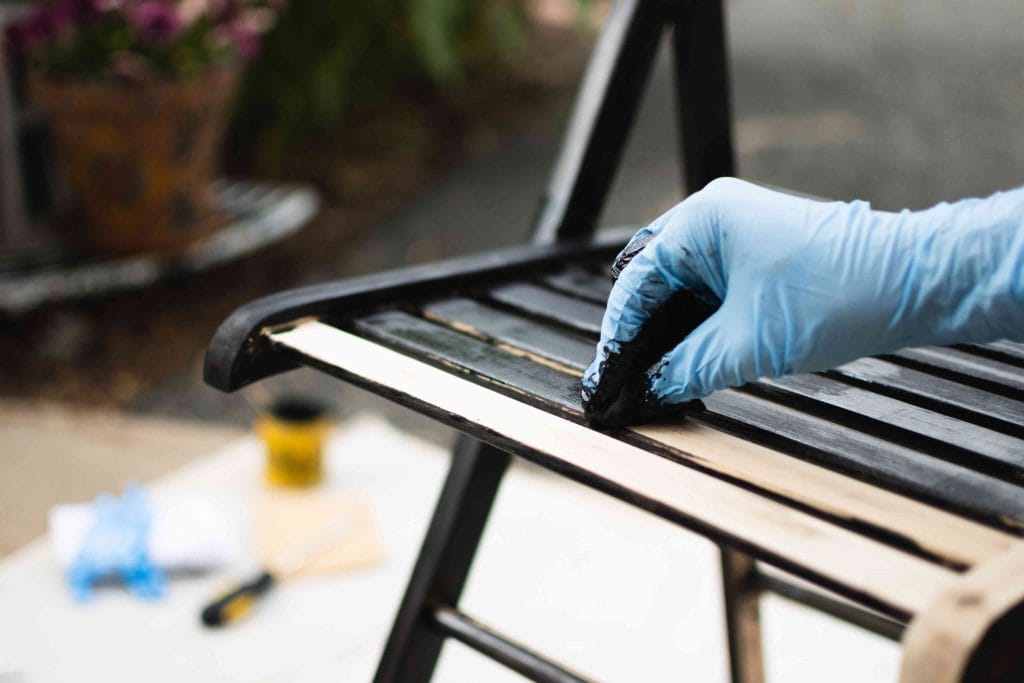
Painting Tips

Cabinet Painting Costs by Aspen Painting Services in Lane Horsham, PA.

Breaking Down Cabinet Painting Costs: What Influences the Price?

Cabinet painting is one of the most effective ways to refresh your kitchen or bathroom without undergoing a complete renovation. However, understanding the costs involved is essential before diving into this home improvement project. Cabinet painting prices can vary widely, depending on factors such as materials, labor, and the job’s complexity. Whether you’re considering a […]

Breaking Down Cabinet Painting Costs: What Influences the Price? Read More »
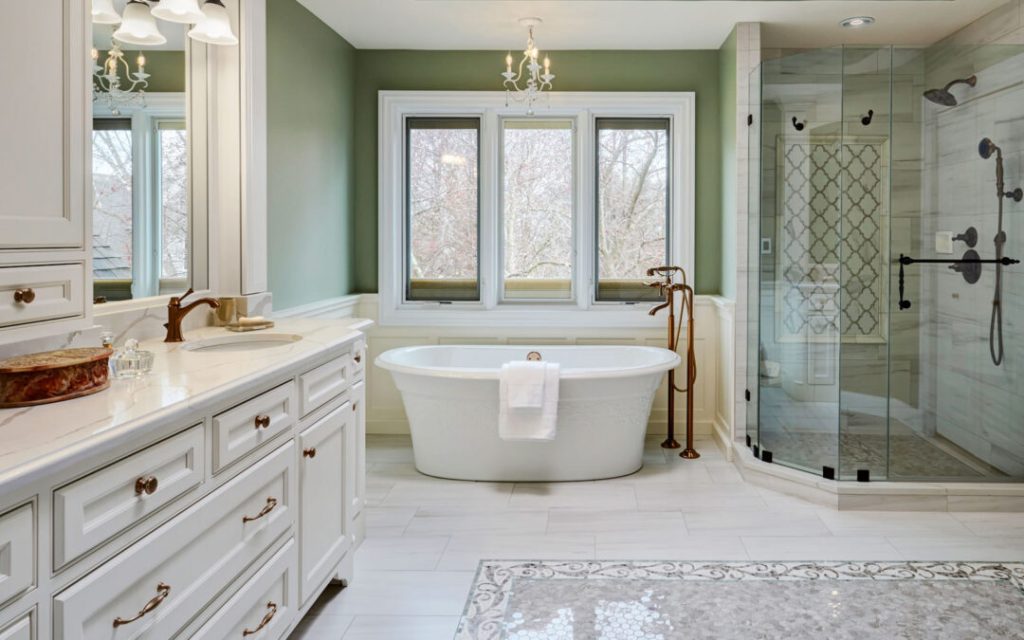
Transform Your Bathroom by The Magic of Painted Cabinets by Aspen Painting Services in Lane Horsham, PA.

Transform Your Bathroom: The Magic of Painted Cabinets

When it comes to home improvement projects, bathrooms often get overshadowed by kitchens and living spaces. But your bathroom holds immense potential for transformation, and one of the easiest, most cost-effective ways to elevate its look is by painting the cabinets. The transformative power of a fresh coat of paint can turn outdated or bland

Transform Your Bathroom: The Magic of Painted Cabinets Read More »

Tips for Removing the Wallpaper in Coreect Way by Aspen Painting Services in Lane Horsham, PA.

How to Remove Wallpaper the Right Way

Removing wallpaper can be daunting, especially if it’s been on your walls for years or is layered over previous wallpaper. Many homeowners put off this project because they fear damaging the walls underneath or dealing with a sticky mess. However, with the right tools and techniques, you can simplify the process and prepare your walls

How to Remove Wallpaper the Right Way Read More »

Resurfacing and Staining a Wooden Chair- A Step-by-Step Guide for Beginners by Aspen Painting Services in Lane Horsham, PA.

How to Resurface and Stain a Wooden Chair: A Step-by-Step Guide for Beginners

Wooden chairs can be timeless pieces of furniture, but over time, they can lose their luster and show signs of wear. Instead of discarding them or covering the imperfections with a throw, why not give your chair a fresh, updated look with resurfacing and staining? Resurfacing allows you to strip away the old layers of

How to Resurface and Stain a Wooden Chair: A Step-by-Step Guide for Beginners Read More »

Guide for Using Right Type of Caulk for the Job in Lane Horsham, PA.

The Ultimate Guide to Using Caulk Like a Pro

Caulking may seem like a simple task, but doing it properly can make a world of difference in your home improvement projects. Whether sealing cracks to improve energy efficiency or creating a watertight seal in the bathroom, the right caulking technique ensures a clean, professional-looking finish. In this comprehensive guide, we’ll walk you through the

The Ultimate Guide to Using Caulk Like a Pro Read More »

Prepare Your Home Exterior for Painting Contractors in Lane Horsham, PA.

Essential Steps to Prepare Your Home Exterior for Painting Contractors

Would you like to give your home exterior a fresh coat of paint? Before the painting contractors arrive, it’s crucial for you, as the homeowner, to take the necessary steps to prepare your home. Your active involvement in the preparation process ensures a smoother painting process and results in a more polished, long-lasting finish. From

Essential Steps to Prepare Your Home Exterior for Painting Contractors Read More »

Faux Painting Can Generate Great Results If it is Done Properly in Lane Horsham, PA.

Faux Painting Can Produce Great Results If You Do It Correctly

Faux painting, also known as faux finishing, is an incredible way to add texture, depth, and visual interest to your walls without the expense of natural materials like stone, wood, or brick. Whether you want to create the look of Venetian plaster, a soft marble effect, or a rich suede texture, faux painting can transform

Faux Painting Can Produce Great Results If You Do It Correctly Read More »

Painting your home's interior or exterior is a great way to refresh its appearance and protect surfaces from damage. However, one common issue that homeowners face is paint fading over time. Faded paint can make your home look older and less vibrant, detracting from its overall aesthetic appeal. More importantly, it can significantly reduce the value of your property. But what causes paint to fade, and how can you prevent it? In this blog post, we will delve into the various factors that contribute to paint fading and offer tips on how to keep your paint looking fresh and vibrant for years to come. 1. Ultraviolet (UV) Radiation One of the primary causes of paint fading is ultraviolet (UV) radiation from the sun. When UV rays strike the surface of your painted walls, they break down the chemical bonds in the paint, causing the pigments to deteriorate. This process is known as photodegradation, and it leads to a gradual loss of color intensity. Different colors react differently to UV exposure. Darker shades, like deep reds and blues, tend to fade faster than lighter shades because they absorb more UV rays. Exterior paints are particularly susceptible to this problem since they are exposed to sunlight for extended periods. However, interior paints can also fade if they are exposed to direct sunlight through windows. How to Prevent UV-Induced Fading: Use UV-resistant paint: Look for paints specifically formulated to resist UV radiation. These paints contain additives that help protect the pigments from the harmful effects of UV rays. Install window films: UV-blocking films can reduce the amount of UV radiation entering your home, protecting your interior paint from fading. Use curtains or blinds: Covering windows with curtains or blinds during peak sunlight hours can help protect your interior paint from UV damage. 2. Environmental Factors Environmental factors such as weather conditions, pollution, and moisture can also contribute to paint fading. In areas with harsh weather conditions, like high temperatures, heavy rainfall, or strong winds, paint is more likely to degrade quickly. Moisture is particularly damaging because it can cause the paint to blister, peel, and fade. Airborne pollutants, including dirt, dust, and chemicals, can also accelerate paint fading. These particles can settle on painted surfaces, creating a layer that absorbs UV radiation and promotes degradation. Additionally, pollutants can react chemically with the paint, causing discoloration. How to Protect Against Environmental Factors: Choose high-quality paint: Opt for premium paints that are designed to withstand harsh weather conditions and resist pollutants. These paints often contain higher-quality pigments and binders that provide better durability. Regular maintenance: Keep your painted surfaces clean by washing them periodically to remove dirt, dust, and pollutants. This helps maintain the paint's vibrancy and prevents premature fading. Apply protective coatings: Consider applying a clear, UV-resistant topcoat to your exterior paint. This can provide an additional layer of protection against the elements. 3. Poor-quality paint and Pigments Not all paints are created equal. The quality of the paint and the pigments used can significantly impact how well the paint holds up over time. Low-quality paints often contain inferior pigments that are more susceptible to fading when exposed to sunlight and environmental factors. High-quality paints, on the other hand, use pigments that are more resistant to UV radiation and environmental damage. They also have better binders, which help the paint adhere to surfaces more effectively and prevent the pigments from breaking down. How to Choose the Right Paint: Invest in premium paint: While it may be tempting to save money by choosing cheaper paint, investing in high-quality paint can save you time and money in the long run. Look for paints with high concentrations of high-quality pigments and are rated for UV resistance. Check for pigment type: Some pigments, such as inorganic ones, are more stable and less prone to fading than organic ones. When selecting paint, consider the type of pigments used in the formulation. 4. Application Issues The way paint is applied can also affect how well it resists fading. Improper application techniques, such as not using a primer, applying paint too thinly, or not allowing adequate drying time between coats, can lead to poor adhesion and a weaker paint film. This makes the paint more vulnerable to UV radiation, moisture, and environmental pollutants. Additionally, if the surface is not adequately prepared before painting, such as by cleaning or sanding, the paint may not adhere well, leading to early fading and peeling. Best Practices for Paint Application: Be informed and prepared: Always apply a primer before painting, especially on new or porous surfaces. A primer helps the paint adhere better and provides a more uniform base, enhancing the paint's longevity. Apply the correct number of coats: Follow the manufacturer's recommendations for the number of coats needed. Applying paint too thinly can result in poor coverage and a less durable finish. Allow proper drying time: Make sure to allow sufficient drying time between coats. Rushing the process can compromise the integrity of the paint film, making it more susceptible to fading. 5. Chemical Exposure Exposure to certain chemicals can cause paint to fade or discolor. For example, if your painted surfaces come into contact with harsh cleaning agents, solvents, or acidic substances, the chemicals can react with the paint and break down the pigments. This can result in fading, discoloration, or even peeling. In industrial or urban areas, airborne chemicals and pollutants from factories, vehicles, and other sources can settle on painted surfaces and cause chemical reactions that lead to fading. These pollutants can include sulfur dioxide, nitrogen oxides, and other acidic compounds. How to Minimize Chemical Exposure: Use gentle cleaning products: When cleaning painted surfaces, use mild, non-abrasive cleaners that are safe for painted surfaces. Avoid using harsh chemicals that can damage the paint. Rinse thoroughly: If using any cleaning solution, make sure to rinse the surface thoroughly with clean water to remove any residue that could cause chemical reactions. Protective coatings: To create a barrier against chemical exposure and pollutants, consider applying a protective sealant or clear coat over the paint. Paint fading is a common issue that can affect both the interior and exterior of your home. Understanding the factors that contribute to paint fading, such as UV radiation, environmental conditions, paint quality, application methods, and chemical exposure, can help you take steps to prevent it. By choosing high-quality, UV-resistant paint, applying it correctly, and protecting it from harsh environmental and chemical factors, you can keep your paint looking vibrant and fresh for years to come. Taking these preventive measures not only enhances the aesthetic appeal of your home but also ensures that your investment in painting lasts as long as possible.

What Is Making My Paint Fade? Understanding the Causes and How to Prevent It

Painting your home’s interior or exterior is a great way to refresh its appearance and protect surfaces from damage. However, one common issue that homeowners face is paint fading over time. Faded paint can make your home look older and less vibrant, detracting from its overall aesthetic appeal. More importantly, it can significantly reduce the

What Is Making My Paint Fade? Understanding the Causes and How to Prevent It Read More »

The Perfect Time to Repaint your Wall in Lane Horsham, PA.

The Perfect Time to Refresh: When to Repaint Your Walls

Repainting your walls is a great way to breathe new life into your living space, offering your home a fresh aesthetic and renewed energy. But many homeowners face the question: How often should you repaint your walls? While there is no one-size-fits-all answer, several factors play a role in determining the ideal repainting schedule. This

The Perfect Time to Refresh: When to Repaint Your Walls Read More »

Book an Estimate!

Scroll to Top