
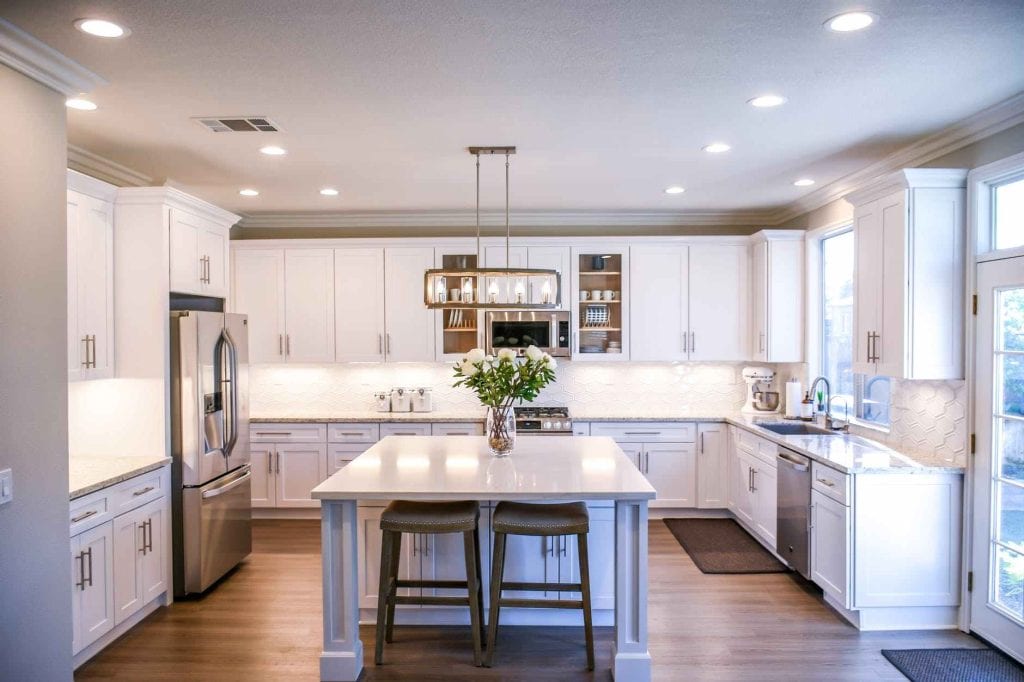
Throughout this guide, you’ll learn how ASPEN PAINTING & WALLCOVERING, INC. (https://aspenpaintingpa.com/) walks you through each phase so your cabinets look salon-fresh. You’ll focus on meticulous surface preparation, safe handling of old lead-based finishes, and pro techniques for primer, paint, and topcoat for durable, stunning results. This walkthrough provides clear steps, tool lists, and troubleshooting guidance to help you achieve professional-quality finishes in your Ambler home.
Key Takeaways:
- Thorough prep and proper environment in Ambler, PA—cleaning, deglossing, sanding, and priming—make painted cabinets last and look factory-fresh.
- Choose durable, cabinet-specific primers and topcoats; apply multiple thin coats (spray for the smoothest finish) and sand between coats for best results.
- Hiring a local professional like ASPEN PAINTING & WALLCOVERING, INC speeds the job, ensures consistent color and finish, and minimizes downtime—visit https://aspenpaintingpa.com/ for estimates and portfolio.
An updated cabinet paint job transforms kitchens and bathrooms, restoring value and avoiding the expense of full replacement. In Ambler, PA, successful cabinet painting combines careful planning, the right materials, and skilled application. This step-by-step guide outlines a professional workflow you can expect from experienced teams like ASPEN PAINTING & WALLCOVERING, INC.
1. Initial assessment and planning – Inspect cabinet condition (loose joints, veneer damage, water stains) and decide whether doors will be removed and painted off-site or refinished in place. – Choose a color and sheen appropriate for the space—satin or semi-gloss is common for cabinets because they’re easy to clean. – Plan timing around Ambler’s seasonal humidity to ensure proper drying and curing.
2. Remove hardware and label parts – Take off knobs, pulls, and hinges. Label doors and corresponding frames so reassembly is fast and accurate. – Remove drawers and shelves when possible to allow full access.
3. Deep cleaning and degreasing – Use a strong degreaser to remove cooking oils, fingerprints, and dust — this step is crucial for adhesion. – Rinse and let fully dry before proceeding.
4. Repair and sanding – Fill dents and gouges with a suitable wood filler, then sand smooth. – Lightly sand glossy factory finishes to provide bite for primer; for raw or damaged wood, a more thorough sanding may be needed. – Wipe surfaces with a tack cloth to remove dust.
5. Priming – Apply a high-quality, cabinet-grade primer suited to the substrate (wood, MDF, or laminate). For laminate or previously stained surfaces, use a bonding primer. – Allow recommended dry time; in humid conditions, extend drying times as needed.
6. Painting technique – For the most professional result, spray application yields the smoothest finish; brush and roller can be used with high-quality tools and careful technique. – Apply multiple thin coats rather than one thick coat. Lightly sand between coats (320–400 grit) and clean dust off before the next coat. – Use paint formulated for cabinetry or trim—these provide durability and easier cleaning.
7. Topcoat and curing – Depending on paint type, apply a clear protective topcoat for extra durability (waterborne conversion varnish or polyurethane designed for painted surfaces). – Allow adequate cure time before reassembling; full hardness can take several days to weeks, depending on the product and humidity.
8. Reassembly and final inspection – Reinstall hardware and doors, make hinge adjustments, and check for touch-ups. – Perform a walkthrough to ensure consistent color and smooth finish. Local considerations for Ambler homeowners – Plan around weather: high summer humidity in the Philadelphia region can extend drying times; spring and fall are often ideal. – Indoor air quality and dust control are important—professional shops or dust-free spray booths improve finish quality. – A reputable local contractor will be licensed, insured, and able to provide references and before/after photos.
Why hire ASPEN PAINTING & WALLCOVERING, INC.?
Our local experience in Ambler, dependable scheduling, trained crews, and warranty-backed finishes help you avoid common pitfalls and achieve long-lasting results. For a consultation, color guidance, and a free estimate, visit https://aspenpaintingpa.com/ or contact their team directly.
Creating the Optimal Workspace for Cabinet Painting
Selecting the Right Location
Choose a well-ventilated area like a detached garage, basement workshop, or spacious utility room with at least 8 ft of clearance around your work surface to move doors and drawers freely. Aim for consistent temperatures between 65–75°F and relative humidity near 40–50% to keep dry times predictable; avoid direct sunlight or dusty rooms that cause surface imperfections. Set up on sawhorses or 30–36″ high workbenches to reduce fatigue and improve control while spraying or brushing.
Essential Tools and Materials for the Job
Stock sanding tools (120 then 220 grit), an orbital sander with dust collection, tack cloths, a quality bonding primer (shellac or Zinsser BIN), topcoat options like Benjamin Moore Advance or Sherwin‑Williams ProClassic, angled 1″ and 2″ polyester brushes, 1/4″ nap foam rollers, painter’s tape, and drop cloths. Include an HVLP sprayer for cabinet faces, a NIOSH‑approved P100 respirator, and proper solvent-safe containers—solvents and finishes can be flammable and hazardous.
Expect to use a grit progression from 120 → 180 → 220 for smooth adhesion, and filter your topcoat to 60–100 mesh for HVLP feeding. Plan for primer + 2 topcoats; most 20‑cabinet kitchens require roughly 2–3 gallons of topcoat, depending on door size and whether you spray or brush. Keep a fire extinguisher nearby when using solvent‑based products and allow 24 hours between coats for alkyds or 4–6 hours for advanced waterborne alkyds under ideal conditions.
Mastering the Preparation Phase
Assessing and Repairing Damaged Cabinets
Inspect hinges, drawer bottoms, and cabinet edges for signs of water damage, delamination, or soft spots; small veneer lifts under three sq. in. can be glued and clamped for 24 hours, while cores that compress more than 1/8″ usually need panel replacement. Use a two-part epoxy for deep gouges, fill minor chips with a stainable wood filler, then sand to 120–150 grit before priming—plan on adding 1–3 extra days to the project schedule for repairs.
Cleaning and Degreasing: A Vital Step
Choose a degreaser such as TSP (mix at about 1/4 cup per gallon of water following label directions) or a commercial product like Krud Kutter; apply with a microfiber cloth or non-abrasive pad, working small areas and rinse thoroughly. TSP is caustic—wear chemical-resistant gloves and goggles, ventilate the area, and let surfaces dry before sanding or priming to ensure adhesion.
Work in 2–3 foot sections: dry dust first, scrub degreaser in circular motions with a Scotch-Brite or soft brush, then rinse with clean water and pat dry with lint-free towels. Perform an adhesion test by wiping a 70% isopropyl alcohol-soaked white cloth over the surface—if the cloth picks up oil, repeat cleaning. Allow at least 12–24 hours of drying time (longer in high humidity) before moving to deglossing or priming to avoid lift-off and finish failure.
The Art of Sanding: Key Techniques and Tools
Choosing the Right Grit for Your Cabinets
Select a grit that matches the job: use 120–150 grit to dull factory finishes and remove old paint, 150–180 grit to smooth raw wood before priming, and 320 grit for light scuffing between finish coats. Avoid using 60–80 grit on thin veneers—those low grits can easily sand through the face. Keep a 2–3 grit progression on hand so you can step down gradually without overworking the surface.
Effective Sanding Methods for a Smooth Finish
For large, flat faces, you’ll get the fastest, most consistent results with a random orbital sander set between 8,000–12,000 OPM, using light pressure and overlapping passes by about 50%. Switch to a sanding block or flexible sponge for edges and raised panels to avoid gouging. Attach a dust-collection bag or vac port to reduce airborne particles.
Hand-sanding details makes the difference between a professional result and a DIY look: use a 3 “x5” foam-backed sanding block wrapped with 150–180 grit for rails and stile corners, sanding with the grain in long, even strokes. Apply feathering strokes where two surfaces meet so new paint doesn’t show a ridge. After the coarse pass, thoroughly vacuum with a brush attachment, then wipe with a tack cloth or low-VOC degreaser to remove oils and dust. Note that silica and old paint dust are hazardous, so wear a P100 respirator and safety glasses while working. For between-coat sanding, use 320–400 grit and a light hand—this creates mechanical tooth without removing the undercoat. Test your process on a sample door: if primer pulls or you see raised grain, drop one grit level and re-evaluate before proceeding to the full kitchen.
Picking the Perfect Paint: Color and Type
Exploring Different Paint Finishes
Satin and semi-gloss are the go-to sheens for cabinets because they balance cleanability and appearance—satin hides light surface flaws while semi-gloss stands up to frequent wiping and grease in kitchens. High-gloss delivers a mirror-like finish but will accentuate imperfections, and flat or eggshell sheens usually lack the durability needed for cabinet doors and drawer fronts. Professionals often recommend two coats of a quality enamel in the chosen sheen for lasting results.
Understanding Paint Compatibility with Cabinet Materials
Different substrates demand different approaches: solid wood and birch plywood take standard alkyd or waterborne acrylics well after sanding; MDF edge swelling can occur unless you seal edges with an oil- or shellac-based primer; laminate and thermofoil require a bonding/adhesion primer or a specific acrylic adhesion system to prevent peeling. Test a small area—failed adhesion is the most common cause of cabinet paint failure.
Plan on 2–3 thin topcoats with sanding between coats using 220–320 grit for a factory-smooth look; use 120–150 grit for initial satin-sheen removal or old finish leveling. Waterborne alkyds give the fast dry times (2–4 hours touch dry) of latex with the hardness of oil-based systems, while traditional alkyds cure slower and emit higher VOCs over several days. Suppose you’re unsure which combo suits your cabinets. In that case, Aspen Painting & Wallcovering, Inc. can run a test patch and recommend a primer/paint pairing tuned to your substrate and kitchen usage—visit https://aspenpaintingpa.com/ to schedule a consultation.
Priming Secrets: Ensuring Longevity and Quality
Why Priming Matters in Cabinet Painting
Primer creates a uniform surface so your topcoat bonds correctly and wears evenly; expect finishes that resist chipping and cleaning abrasion and can last several years longer than unprimed work. Use a stain-blocking oil or shellac primer on knotty woods to prevent tannin bleed, and test older cabinets for lead before sanding. Proper priming also evens out porosity on maple and birch, helping you achieve a smooth, factory-style finish that reduces touch-ups down the line.
How to Apply Primer Evenly and Effectively
Start by degreasing with trisodium phosphate or a dedicated cleaner, then sand to 120–220 grit. Finally, use a tack cloth to remove any dust. Apply two thin coats rather than one heavy coat. Use a brush for corners and a 1.3–1.4 mm HVLP tip for flat panels. Maintain a 6–8 inch gun distance and allow 1–2 hours dry for water-based primers or 6–8 hours for oil-based primers before sanding between coats.
For spraying, thin a water-based primer per manufacturer specs—typically 5–10% water—or use a compatible reducer for solvent primers; pressure settings around 18–26 psi atomize well with a 1.3 mm tip. Overlap passes by about 30–50% to avoid striping, and flash for 5–10 minutes between light passes to control buildup. Sand between primer layers with 220 grit for a silky substrate, and wear a NIOSH-approved respirator when sanding or spraying solvent primers. In Ambler projects handled by ASPEN PAINTING & WALLCOVERING, INC., switching to a shellac-based stain blocker on maple doors eliminated visible tannin stains and delivered adhesion good enough to warrant a factory-style two-coat topcoat without extra filler work; if you want help matching products and technique to your cabinets, visit https://aspenpaintingpa.com/.
The Painting Process: Techniques for a Flawless Finish
Brush vs. Spray: Which Method to Choose?
You will choose spray when speed and a factory-smooth finish matter—spraying can cut application time by 30–60% on cabinet runs—but expect to spend extra time masking and controlling overspray and inhalation hazards. Brushes or mini-rollers give you superior edge control for doors, stile and rail detail, or spot repairs, and avoid masking-heavy prep. For most Ambler projects, an HVLP sprayer for faces and a brush for edges balances speed, finish quality, and containment.
Layering Techniques: Timing and Drying Considerations
You should plan on a primer plus at least two topcoats for durability, allowing 2–4 hours between coats for modern waterborne enamel and about 24 hours for oil-based finishes under typical shop conditions. Light sanding with 220–320 grit between coats removes dust nibs without cutting through the build, and a final tack cloth before the last coat prevents trapped particles.
Temperature and humidity directly affect drying: aim for a controlled environment around 65–75°F and 40–50% relative humidity to hit the 2–4 hour recoat window for waterborne products; higher humidity can double dry times. Apply thin, even wet films—roughly 2–3 wet mils per coat—to prevent runs and orange peel; that typically means two thin topcoats outperform one heavy coat. Full cure varies by product: waterborne systems often reach light-use strength in 48–72 hours and full chemical cure in 7–14 days, while oil-based enamels may need up to 30 days. In our work at Aspen Painting & Wallcovering, Inc., we track product-specific flash times on SDS and technical data sheets, and we use a combination of flash-off racks and low-profile fans to maintain consistent drying between coats for a flawless, long-lasting cabinet finish.
Final Touches: Hardware and Reassembly
Choosing Hardware that Complements Your New Look
Match hardware finish to your painted palette: use brushed nickel or stainless steel for cool grays and blues, oil‑rubbed bronze or warm brass for creams and beiges, or matte black for high‑contrast modern looks. Measure center‑to‑center pull spacing (common sizes: 3″ / 76mm or 96mm) and pick knobs 1″–1.5″ diameter for balance. Expect hardware prices from about $3 to $25 each, depending on material and finish; test one pull on a spare door before ordering a full set.
Reassembling Your Cabinets Safely and Securely
Install hinges and doors first, then handles and catches, keeping a consistent reveal of about 1/16″–1/8″ around each door; use a 3mm pilot bit and #6 screws (3/4″ length typical) to avoid splitting or screws poking through thin plywood. Tighten screws until snug—over‑tightening can strip particleboard—and run doors through 10–15 open/close cycles to let hardware seat before final adjustments.
Work methodically: lay out each door with its corresponding hinge set and mark vertical and horizontal adjustments before you tighten. Use a 4′ level to confirm cabinet boxes remain square; if a door weighs over about 15–20 lbs, have an assistant or a cabinet jack hold it while you fasten hinges. For European concealed hinges, note the 35mm cup requirement and use a hinge jig for repeatable placement; protect your fresh paint with painter’s tape where tools contact surfaces, and swap old screws for new if threads look worn. Aspen Painting & Wallcovering, Inc. often replaces worn hardware during reassembly to ensure long‑term performance—call https://aspenpaintingpa.com/ if you prefer a professional touch.
Maintenance Tips to Preserve Your Newly Painted Cabinets
Keep your finish looking like the day Aspen Painting & Wallcovering, Inc. completed the job by following a simple routine: wipe spills immediately, clean gently, and inspect for chips every 4–6 weeks. For lasting results after a professional cabinet painting project in Ambler, PA, these targeted actions prevent common wear and extend the life of the coating.
- Wipe up grease and liquids within 60 minutes to prevent staining and breakdown of the topcoat.
- Use a microfiber cloth and a mild cleaner diluted to 1 tablespoon of dish soap per gallon of water for daily cleaning.
- Avoid products with ammonia, bleach, or undiluted solvents—they can dull or soften water-based finishes.
- Do not use abrasive pads or scouring powders; they scratch semi-gloss and satin finishes immediately.
- Perform a light inspection every 3–6 months and touch up chips with a small amount of matching paint or a touch-up kit within 48 hours to block moisture intrusion.
- Consider a professional maintenance inspection every 3–5 years to evaluate recoating needs and preserve warranty coverage.
Cleaning Strategies to Avoid Damage
Use a soft microfiber cloth and mild dish soap diluted to about one tablespoon per gallon of warm water for routine cleaning; test a hidden area first. For grease, apply the solution to the cloth rather than spraying directly, rinse with a clean damp cloth, and dry immediately. Avoid bleach, ammonia, and abrasive tools—they cause visible dulling and micro-scratches.
Recommended Products for Long-Term Care
Choose pH-neutral cleaners like diluted Dawn or a gentle product labeled for painted surfaces; keep isopropyl alcohol (70%) for small, quick disinfecting on hardware only. Select non-abrasive microfiber cloths and soft sponges; use a manufacturer-approved touch-up pen or small can of your original paint for chips. Using approved products can extend finish life by years.
For sustained protection, pick a water-based topcoat or furniture restorer compatible with your original finish—brands such as Minwax Polycrylic (water-based) or General Finishes High Performance Topcoat are commonly recommended by professional painters for their clarity and durability on painted cabinets. When applying a maintenance coat, sand lightly with 320–400 grit between coats, remove dust with a tack cloth, and apply thin, even layers following the manufacturer’s flash and cure times (typically 2–4 hours between coats and full cure in 7–14 days). Test any new product on an inconspicuous area first and keep ventilation good during application to ensure proper drying.
After you follow these steps, schedule a seasonal check with Aspen Painting & Wallcovering, Inc. to evaluate wear and plan any professional touch-ups.
Final Words
With these considerations, you can confidently tackle or hire professionals for cabinet painting in Ambler, PA, ensuring long-lasting, high-quality results that fit your style and budget. Follow surface prep, choose professional-grade primers and paints, and schedule proper drying times; if you prefer, ASPEN PAINTING & WALLCOVERING, INC. can provide experienced craftsmanship and local knowledge to streamline the process and protect your investment. Contact them through https://aspenpaintingpa.com/ to get a consultation and a clear plan tailored to your home.
Step-by-Step Guide to Professional Cabinet Painting in Ambler, PA
ASPEN PAINTING & WALLCOVERING, INC. provides full-service cabinet painting tailored to homes in Ambler, PA. Our approach blends careful preparation, high-quality materials, and controlled application to deliver a long-lasting update that transforms kitchens and built-ins. Below is an overview of the standard professional workflow we follow, plus a FAQ that answers common questions about timing, durability, and product choices. For a free estimate or to schedule an onsite consultation, visit https://aspenpaintingpa.com/.
Typical professional cabinet painting steps: 1) Onsite consultation and color/finish selection with sample evaluation under your kitchen lighting. 2) Detailed work plan and written estimate, including timeline and protection plan for countertops, floors, and appliances. 3) Removal and labeling of doors/drawers and hardware; careful storage to prevent damage. 4) Deep cleaning and degreasing of all surfaces to remove cooking oils and contaminants. 5) Surface repair (fill gouges, reattach loose veneers), followed by light sanding or scuffing to promote adhesion. 6) Application of a high-adhesion primer or stain-blocking primer where needed. 7) Smooth application of finish coats—spray, spray-assisted, or brush-and-roller techniques depending on design and access—using premium cabinet-grade paints. 8) Controlled drying and curing (time varies by product and local humidity) before reassembly. 9) Final inspection, hardware reinstallation, and customer walkthrough to ensure satisfaction.
FAQ
Q: What does the professional cabinet painting process include, and why are each of those steps important?
A: Our cabinet painting process is a sequence of preparation, repair, priming, finishing, and reassembly. Preparation starts with cleaning and degreasing to remove oils that block adhesion. Removing doors, labeling parts, and protecting surrounding surfaces reduces the chance of drips or damage. Repairs and light sanding create a smooth substrate so the primer and topcoats bond evenly. A quality primer promotes adhesion and blocks stains; it also reduces the number of finish coats required. Application is handled with techniques (spray or hand tools) suited to the style and access of your cabinetry to achieve a factory-like finish. Finally, curing time and careful reassembly prevent damage to the new finish. Each step reduces the risk of peeling, orange peel texture, or visible brush marks and contributes to a long-lasting result.
Q: How long will a cabinet painting project take in Ambler, PA, and when can I use my kitchen again?
A: Project length depends on kitchen size, number of doors/drawers, complexity of repairs, and chosen finish methods. Typical full-cabinet jobs for a standard kitchen take 3–7 business days of onsite work plus additional curing time. Many teams complete prep and priming in the first 1–2 days, apply finish coats over the next 1–2 days, and allow 24–72 hours of initial drying before reassembly. Full cure for the paint film can take 7–30 days, depending on the paint chemistry and the ambient humidity and temperature in Ambler. During this time, you can use the kitchen normally, but should avoid heavy scrubbing or mounting hardware that could stress the finish. Your project manager will provide a specific schedule and guidance for safe use based on the materials selected.
Q: What paint types and finishes do you recommend for cabinets to ensure durability and easy maintenance?
A: For cabinets, we typically recommend cabinet-grade coatings: waterborne alkyds or high-quality acrylic enamel cabinet paints that combine toughness with a smooth appearance. Waterborne alkyds offer excellent flow and hardness with easier cleanup than traditional solvents. For high-traffic kitchens, we may use a two-component urethane or a tough topcoat sealer where added chemical and scratch resistance is wanted. Sheen choice affects cleanability and touch-up visibility: semi-gloss and satin sheens clean well and resist staining, while ultra-flat finishes hide imperfections but are harder to clean. Proper primer selection (bonding primer or stain-blocking primer) and application technique are equally important for long-term performance. We select products and finishes based on your lifestyle, color choice, and performance needs, and we’ll explain maintenance tips so your cabinets look great for years.

Ray is an inspiring leader with a strong work ethic stemming from his exemplary upbringing in a caring and loving family environment. His parents modeled the importance of integrity and hard work to him and his siblings, values which Ray now instills in his teenage daughter. As the owner of Aspen Painting & Wallcovering, Inc., he leads by example by expecting nothing but the best from himself and his employees. His primary goal is to provide superior service and quality craftsmanship to each of his clients so that they become enthusiastic ambassadors for the company. Ray is a passionate team player who always strives to exceed expectations.