
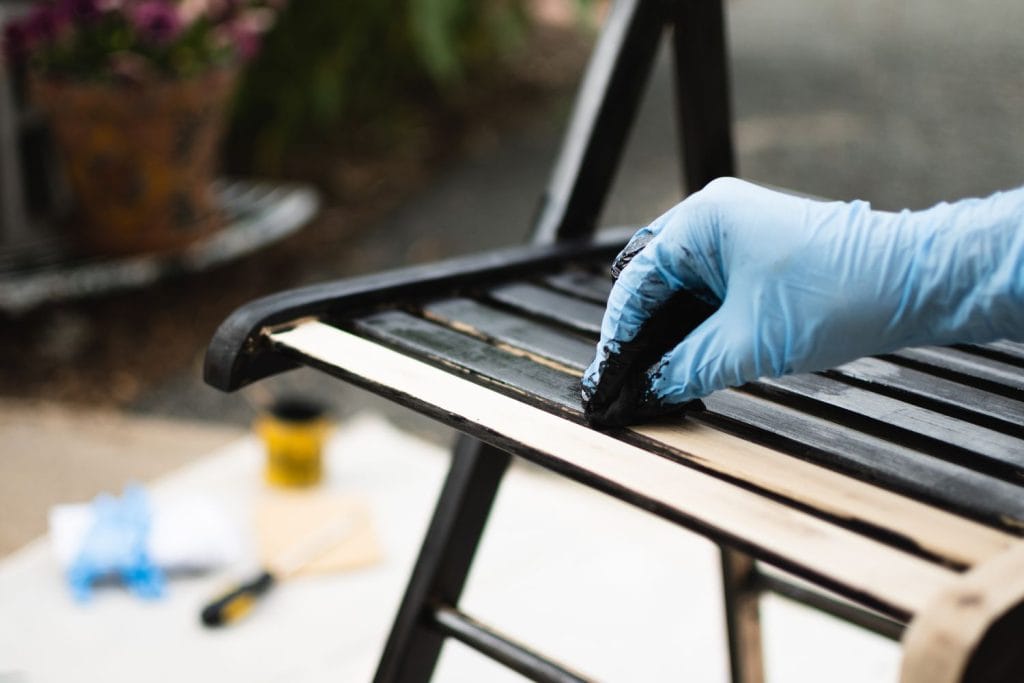
If you’re researching how to refinish wooden chairs, you’re probably torn between two great options: a crisp painted look or a rich stained finish that shows off the grain. Both can be beautiful and durable—when you choose the right products and follow a clean, simple process. This guide walks you through decision-making (paint vs. stain), tools, preparation, step-by-step workflows for each route, and smart ways to avoid common mistakes.
To pair this guide with a focused, hands-on walkthrough of resurfacing and coloring a chair, keep this resource handy: “How to Resurface and Stain a Wooden Chair.”
Paint vs. Stain: Quick Decision Snapshot
- Choose paint if you want a solid color, easy color matching with your room, and the ability to hide mismatched woods or old repairs.
- Choose stain if you love natural grain, have a chair made from attractive hardwood (oak, walnut, cherry, maple), or want a finish that ages gracefully and is easy to refresh.
Durability note: Both options stand up well when applied correctly and topped with a suitable clear coat (for stain) or a hard-wearing enamel (for paint). The larger difference lies in appearance and maintenance preferences.
What to Check Before You Decide
1) Wood species & grain
Hardwoods with interesting figure (oak’s open grain, walnut’s depth) tend to look best stained. Softwoods or mixed-wood parts (such as seat slats from one species and legs from another) often look more cohesive when painted.
2) Chair condition
Heavy dents, old putty patches, and color mismatches are easier to hide with paint. If the chair has uniform wood and light wear, the stain can highlight its character.
3) Existing finish
Thick, old paint usually indicates a thorough strip is needed before staining. For paint, you can often sand, prime, and recoat.
4) Room style & use
Cottage, coastal, or modern palettes often lean toward painted. Traditional or rustic rooms often prefer stained wood. For a kid’s desk chair or a breakfast nook workhorse, painted enamel is easier to spot-clean.
Tools & Materials You’ll Actually Use
- Safety: Nitrile gloves, eye protection, dust mask/respirator appropriate for sanding and stripping.
- Surface prep: screwdriver (for disassembly), wood glue and clamps (to tighten joints), wood filler, wood patches, hammer, and punch for stubborn brads.
- Stripping & sanding: Chemical stripper (if removing heavy finishes), plastic scraper, mineral spirits or denatured alcohol (per product), steel wool or non-woven pads, sanding block, sandpaper (80/120/150/180/220 grits), detail sander for spindles if needed.
- Cleaning: Tack cloths, vacuum with brush attachment, lint-free rags.
- Priming & painting: Bonding primer (for glossy or previously finished surfaces), quality enamel paint (waterborne alkyd or acrylic enamel), angled sash brush, small foam roller for flats.
- Staining & topcoating: Wood conditioner (for blotch-prone species), oil- or water-based stain, high-quality natural or synthetic brushes (per product), lint-free wiping rags, clear protective finish (waterborne polyurethane, conversion varnish alternative, or oil-based poly), fine foam brush for topcoats.
- Hardware: New felt pads for feet, fresh screws where needed.
The Universal Prep (Whether You’ll Paint or Stain)
1) Inspect & tighten
Flip the chair. Test each joint. If you feel wobbles, disassemble what you can, clean out old glue from the mortises and tenons, and reglue. Clamping and curing now will save your finish later.
2) Strip or sand the existing finish
- Thick paint or tough varnish: a modern, low-odor chemical stripper can save hours. Scrape gently with a plastic scraper; avoid gouging.
- Thin finish or scuffs: sanding alone may do. Start with 80–120 grit to remove sheen and defects, then move to 150–180 grit to refine. Leave tight crevices for detail sanding pads.
3) Repair & fill
Use wood filler for dings; for serious damage, glue in a wood patch. Let it cure fully, then sand flush. If you plan to stain, choose a stainable filler that matches the surrounding wood; if you plan to paint, standard filler is fine.
4) Final sanding sequence
Work through 150, 180, and 220 grits, always sanding with the grain where possible. Round sharp edges lightly to allow finishes to flow; edges wear first in daily use.
5) Dust control
Vacuum thoroughly (seat underside, between spindles). Wipe with a slightly damp cloth or mineral spirits (compatible with your chosen system), then use a tack cloth to remove any remaining specks. Dust is the enemy of smooth finishes.
Route A: Painting Your Wooden Chair (Solid Color, Smooth Feel)
Why choose paint?
Paint unifies mismatched parts, conceals old patches, and allows you to match trim or accent colors. Modern waterborne enamels level nicely and cure to a hard, cleanable shell.
Step-by-Step: Paint Workflow
1) Spot-prime repairs; then prime all
Use a bonding primer designed for previously finished wood. On chairs with many spindles, a brush-on primer provides better control than rattle cans. Work from the underside to the top.
2) Lightly sand the primer
Once dry, scuff with 220–320 grit to knock down nibs. Vacuum and tack.
3) First color coat (enamel)
Load a high-quality angled brush for joints and profiles; roll larger flat areas (seat underside, backrest) with a small foam roller for a uniform texture. Keep coats thin to avoid drips on verticals. Watch for sags beneath rails—tip them off while wet.
4) Second color coat
After the recoat window, repeat. Inspect under raking light to spot thin areas on corners and spindle backsides.
5) Optional third coat or clear
For deep colors or high-wear seating, a third thin coat improves coverage. Many waterborne enamels don’t need a clear coat; check the can. If you want extra protection, choose a compatible waterborne clear and test on a hidden spot for color shift.
Sheen choices
- Satin: forgiving and easy to clean.
- Semi-gloss: brighter, shows details more; highlights brushwork if the technique is rough.
- Matte: velvety look, but less scrub-friendly.
Color tips
- Light neutrals brighten dining spaces and pair well with natural wood tables.
- Dark tones add drama but reveal dust; consider satin for easier upkeep.
- If you’re painting multiple chairs, mix all cans into a single bucket to avoid slight tint variation.
Route B: Staining Your Wooden Chair (Natural Grain, Warm Depth)
Why choose stain?
Stain preserves and enhances grain. It ages with character and is easy to refresh later without a full repaint. Choose this path when your chair’s wood is worth showing off.
Step-by-Step: Stain Workflow
1) Raise the grain (for water-based systems)
Wipe with a damp cloth, let dry, then very lightly sand with 220. This helps minimize roughness after the first coat.
2) Pre-condition blotch-prone woods
Pine, birch, and maple can blotch. Apply a compatible wood conditioner per the label instructions, then stain within the recommended window.
3) Apply stain
Stir thoroughly. Brush or wipe with the grain. Work in manageable sections—legs, then rails, then seat—wiping excess within the product’s open time. Avoid lap marks by maintaining a wet edge.
4) Evaluate color depth
One coat may be enough. For a deeper tone, apply a second light coat after the first coat has dried completely. Don’t pile on; excess stain that can’t be absorbed will remain tacky.
5) Seal with a clear coat
After the stain fully dries, apply a protective finish. Waterborne polyurethane is fast-drying and stays clear; oil-based polyamers warm and can deepen tone. Apply 2–3 thin coats, lightly sanding with 320 grit between coats to keep dust nibs at bay.
Sheen choices
- Matte/Flat: soft, furniture-studio vibe; less wipeable.
- Satin: the sweet spot—soft glow, easier cleaning.
- Semi-gloss: higher sheen, shows grain contrast vividly, and cleans easily.
Timing & Curing (Realistic Expectations)
- Prep & repairs: 1–3 hours, depending on wobble fixes and stripping needs.
- Sanding: 45–90 minutes (more for intricate spindles).
- Paint path: Prime (1–2 hours + dry), two color coats (each 1 hour work + dry time). Handle gently for a few days as enamel hardens.
- Stain path: Stain application (30–60 minutes + dry), followed by clear coats (2–3 coats with light sanding).
- Full cure: Most waterborne finishes reach service hardness within a few days and continue to toughen over the next couple of weeks. Add felt pads only after the finish has hardened to avoid imprinting.
Common Problems—and Fast Fixes
- Raised grain after staining: Lightly sand with 320 and recoat clear.
- Blotchy stain: Strip the affected area, pre-condition, and restain; or glaze with a toner (thin stain under clear) to even tone.
- Brush marks in paint: You’re overbrushing or working too dry. Add a touch more product, lay off with long, light strokes, and let the enamel level.
- Drops on the underside of the rails: Inspect from multiple angles while wet. Use a dry brush to tip away sags.
- Sticky stain hours later: Excess wasn’t wiped. Remove gently with a compatible solvent (per can), wipe clean, let dry, and proceed to clear.
Pro Tips for Chair Shapes (Spindles, Curves, Tight Spots)
- Work upside down first so you catch drips from the underside before they set. Then flip upright for finish passes.
- Use a sash brush (2″ or smaller) with a sharp chisel tip; it reaches along spindles and into corners.
- Split the chair into zones (legs, stretchers, seat, back). Finishing one zone at a time helps maintain a wet edge and an even look.
- Don’t chase perfection on the first coat. Thin, even films beat thick, gummy coats every time.
Maintenance After the Makeover
- Painted chairs: Wipe spills promptly with a damp cloth; avoid harsh cleaners in the first week. For chips, feather-sand the spot, prime, and touch up with a small artist’s brush.
- Stained & clear-coated chairs: Clean with a damp cloth and mild soap. Add a fresh, clear coat later if the sheen dulls—lightly scuff, vacuum, and recoat.
Budget & Where to Spend
- Spend on: quality enamel (for paint) or clear topcoat (for stain), and good brushes. These directly affect smoothness and durability.
- Save on: sandpaper by buying multi-packs and cutting sheets into thirds; use rags you already own for wipe-downs (lint-free).
- Rent: stripping tools or specialized sanders if you’re tackling multiple chairs in a set.
Paint vs. Stain: A Simple Choice Matrix
- Mixed woods / heavy repairs / modern palette → Paint
- Attractive hardwood / traditional palette / natural look → Stain
- Fastest refresh with bold color → Paint
- Easiest long-term maintenance → Stain (clear recoat is simple)
Still undecided? This focused tutorial is a helpful companion as you work through the steps for resurfacing and staining a wooden chair.
Safety & Workspace Notes
- Ventilate well when stripping, staining, or clearing. Follow label PPE guidance.
- Keep oily rags (from oil stains or oil poly) in a metal container filled with water; dispose of them in accordance with local guidelines to prevent spontaneous combustion.
- Support the seat and back securely while working so you’re not fighting the piece. A non-slip mat on the bench helps.
When to Call Aspen Painting
If you’re tackling a full dining set, matching stain tones across multiple woods, or reviving chairs with complex shapes, a pro finish saves time and delivers consistent color and sheen across the entire set. Aspen Painting handles chair refinishing alongside interior updates for a cohesive look in your space.
FAQs
1) Can I paint over old paint without stripping?
Yes—if the old paint is sound. Clean, sand to degloss (150–220 grit), repair, then use a bonding primer before enamel. Flaking areas must be scraped and feather-sanded.
2) What stain color works on mixed species?
Mid-tone browns are forgiving across species. Test on each part if possible. If tones still conflict, paint is usually the cleaner solution.
3) Do I need a clear coat over paint?
Many modern enamels cure hard enough without a separate clear coat. If the chair will see heavy use, a compatible waterborne clear can add scuff resistance—always test for color shift.
4) How do I fix a blotchy stain on pine?
Strip or sand back the affected area, apply a wood conditioner, then restain. If blotches are mild, a toner coat (stain mixed into the first coat) can even things out.
5) How long before I can use the chair?
Often, within 24–48 hours for light use, depending on the product and humidity. Full cure can take a week or two—avoid heavy scrubbing or stacking during that period.

Ray is an inspiring leader with a strong work ethic stemming from his exemplary upbringing in a caring and loving family environment. His parents modeled the importance of integrity and hard work to him and his siblings, values which Ray now instills in his teenage daughter. As the owner of Aspen Painting & Wallcovering, Inc., he leads by example by expecting nothing but the best from himself and his employees. His primary goal is to provide superior service and quality craftsmanship to each of his clients so that they become enthusiastic ambassadors for the company. Ray is a passionate team player who always strives to exceed expectations.