
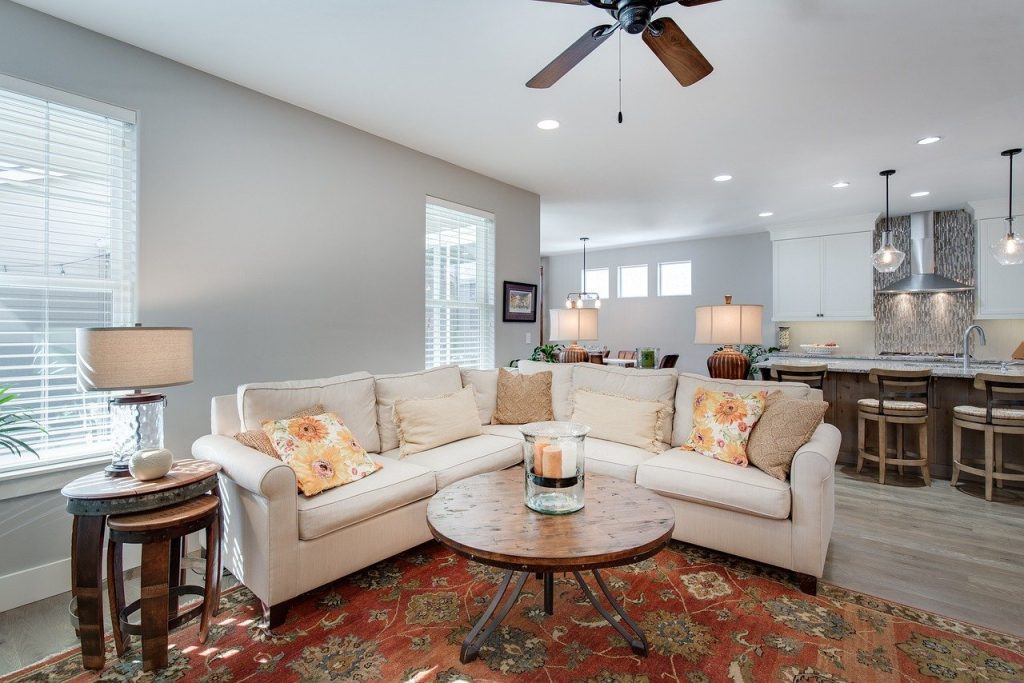
Lighting is not just a functional element in our living spaces; it’s a transformative tool that can completely change the vibe and aesthetic of a room, inspiring us to reimagine our homes.
From the golden glow of a morning sunbeam to the soft luminescence of a dimmable ceiling fixture, each shade of light carries the power to alter our mood and enhance the design of our homes.
Embarking on the journey of lighting design is an opportunity to personalize our living spaces, understanding how the strategic use of color, intensity, and direction can create a harmonious atmosphere that aligns with our unique needs and preferences.
Lighting design is a harmonious blend of science and poetry, where a simple flick of a switch or a slight adjustment in shade positioning can transform a room, creating an atmosphere that soothes and relaxes.
This article will delve into the practical aspects of room lighting, which can transform your space from ordinary to extraordinary, providing actionable insights to enhance your home’s ambiance.
Understanding the Impact of Light Color on Mood
Delving into the subtleties of interior design, I find that lighting often has transformative power within any living space; the color emanating from our fixtures can significantly sway a room’s atmosphere.
The interplay between warm and cool lighting goes beyond functionality and aesthetics—it can touch our emotional well-being, creating a sense of comfort or invigoration.
A softer glow might invoke a serene ambiance, perfect for unwinding after a day’s work, while starker, cooler tones can vitalize a space, fueling concentration and alertness.
Exploring the nuances of this visual temperature, we can adeptly craft our surroundings to reflect our personal style and enhance our mood and perception of any given room.
Exploring Warm vs. Cool Lighting Effects
In interior design, warm lighting is akin to a soft embrace, inviting relaxation and comfort. It’s the kind of light that draws guests into the kitchen, where stories are shared over steaming cups of tea, or the living room, where soft shadows cast by a fire in the fireplace add to the space’s coziness.
On the other hand, excellent lighting has a different superpower: clarity and focus. With the flick of a switch, it can transform a bedroom into an office space that encourages productivity or illuminate a bathroom with a brightness that’s perfect for getting ready in the morning:
- Warm lighting wraps the room in a tranquil blanket, ideal for relaxation.
- Excellent lighting invigorates the environment, promoting activity and focus.
How Color Temperature Influences Room Perception
The colors we bathe our rooms in can play a subtle yet pervasive role in shaping the perception of their size and warmth. A light with a cooler color temperature can make a modest room seem more spacious and airy, whereas warmer tones create an intimate and inviting atmosphere, drawing the walls in closer.
As I fine-tune the lighting in spaces for my clients, I prioritize the concept of balance: harnessing the shades on the color temperature spectrum to match the intended purpose of each room. A splash of warmer tones encourages lively engagement in a house where vibrant discussions occur. At the same time, cooler hues in a study can dispel distractions, reinforcing a sense of focus and precision.
The Art of Layering Light for Dimension and Depth
Mastering the trifecta of ambient, task, and accent lighting is pivotal to crafting an inviting room that resonates with personality and depth.
As I navigate client expectations and desired atmospheres, I weave together these three lighting types to add a dimension that static lighting never could.
My approach involves thinking beyond mere installation positions; instead, I consider how each layer can complement the others, enhancing room functionality while maintaining a harmonious visual flow.
In the upcoming discussion, I’ll share effective techniques for integrating these layers, ensuring a seamless transition from the broad wash of ambient light to the focused intensity of task lamps and the strategic highlights provided by accent fixtures.
Balancing Ambient, Task, and Accent Lighting
Lighting, in its essence, is my canvas and the very silhouette of the space in my artwork – each stroke is a fixture. Arranging ambient lighting sets the room’s general mood; it’s like laying down the background color on a canvas, defining the space’s overall feel and unity. Layering task lighting, such as pendant lights over kitchen islands or desk lamps in office spaces, ensures functionality where precision and focus are paramount.
- Ambient lighting forms the cohesive backdrop of a room.
- Task lighting introduces functionality and focus to specific areas.
- Accent lighting adds the final touches that highlight and define space.
Finally, accent lighting becomes my flourish, spotlighting artwork or architectural elements infusing the room with a touch of drama and visual interest. When balanced, this trinity of light layers can turn any room from a mere area for tasks into a dynamic space that resonates with character and purpose. Emphasizing the right features and corners, I paint with lumens to bring a room to its fullest potential.
Techniques for Seamless Light Layer Integration
Integrating lighting layers with finesse requires keen attention to the synergy between different light sources: Ambient light must complement task and accent lighting without overwhelming the senses. Strategically placing dimmer switches and opting for adjustable luminaires empower users to tailor the intensity and direction of light, creating an adaptable environment that caters to varying activities and moods.
My approach hinges on understanding the relationships between light sources and room features. Uniformity is not the goal; I craft a dynamic hierarchy of light that draws the eye through space, establishing visual paths that naturally guide movement and interest. I achieve this by carefully considering the placement and purpose of each fixture, ensuring none compete but rather collaborate to achieve the desired ambiance:
- Dimmer switches offer flexibility in adjusting light intensity.
- Adjustable luminaires allow precise control over light direction.
- Visual paths created by light layers enhance room navigation and interest.
Innovative Lighting Solutions for Small Spaces
Shifting the focus to smaller confines, I understand the pivotal role of lighting in expanding the perceived dimensions of a limited space.
The trick lies not just in the light fixtures themselves but also in how we deploy light within the environs to cheat the eye and create an illusion of expanse.
By smartly integrating light fixtures with reflective decor elements, I can illuminate every nook and cranny, effectively ‘pushing’ the walls outward and inviting a sense of freedom even in the most compact quarters.
Maximizing Perceived Space With Strategic Lighting
I turn to strategically placed lighting to create an illusion of a spacious environment within a restricted area. Mirrors paired with sconces or overhead pendants reflect light, giving the impression that the room extends beyond its confines.
Another technique I employ involves installing recessed lighting along the perimeter of the ceiling, drawing eyes upward, and making ceilings appear higher. This subtle shift in perspective can transform the feel of a room, suggesting a more open and airy interior.
Utilizing Mirrors and Reflective Surfaces to Enhance Light
In my profession, harnessing the interplay between mirrors and lighting is a strategic move that can utterly transform limited quarters. When positioned across from windows or in conjunction with light sources, mirrors double the visual impact of lighting, bathing the space in luminance and creating an expansive feel.
Mirrors are an ally in brighter, more spacious room perception, their reflective surfaces as an extension of our light fixtures. By carefully aligning mirrors to capture and redistribute light, I can effectively amplify the presence of natural and artificial light, elevating a room’s openness and depth:
- Strategic placement of mirrors amplifies natural and electric light.
- Reflective decor maximizes the area’s brightness and perceived size.
- Mirror positioning can assist in light distribution for uniform illumination.
Energy Efficiency and Sustainable Lighting Choices
As I delve into the transformative effects of room lighting, I must also address the modern imperative of sustainability.
Energy efficiency is not merely a trend but a responsibility that intersects with artful interior design.
While crafting atmospheres with the flip of a switch, I’m equally conscious of the ecological footprint and utility costs of lighting choices.
The following sections will explain the benefits of selecting LEDs for their durability and cost-effectiveness, as well as how embracing natural light can significantly slash electricity consumption and enhance a space’s inherent beauty.
Selecting LEDs for Longevity and Lowered Costs
I turn to LED lighting solutions because of their longevity and ability to keep costs in check. Incorporating these energy-efficient bulbs into a room’s design is smart, as LEDs are known to last up to 25 times longer than their incandescent counterparts and significantly reduce the frequency of replacements.
By advising my clients to opt for LEDs, I ensure a reduction in their energy bills and a decrease in the environmental impact of their lighting choices. The initial investment in LED technology pays dividends, as the savings accrued from lower utility costs and fewer bulb purchases over time make for a financially and ecologically sound decision.
Harnessing Natural Light to Reduce Electricity Use
Embracing natural light in my designs is a pivotal choice that helps lower electricity use and let the outdoors influence the interior aesthetics. Strategic use of large windows, skylights, and translucent window treatments allows daylight to flood the room, diminishing the dependency on artificial lighting during daytime hours.
By situating workspaces and communal areas where natural light is abundant, I catalyze a reduction in energy consumption for my clients. This intentional positioning pairs with the rhythm of daily living, where the sun’s course enhances activities with a bright, energizing quality in the morning, shifting to a subtler, calming effect as evening approaches.
Intelligent Lighting Systems Transforming Home Environments
In the ever-evolving domain of interior design, lighting strategies have advanced with the advent of intelligent systems, which offer unparalleled control over the room’s ambiance.
Moving beyond manual adjustments, I now integrate cutting-edge technology that responds to our daily routines and voice commands, forging spaces that effortlessly adapt to our needs.
These innovations in smart lighting serve aesthetic purposes and infuse our homes with functionality that simplifies and enhances our lives.
From setting the mood with dimmed hues at a dinner party to scheduling a gradual morning brightness that simulates sunrise, the mastery of intelligent lighting systems opens up a world of possibilities for tailoring our environments to our precise preferences.
The Basics of Setting Up a Smart Lighting System
Embarking on the setup of an intelligent lighting system begins with choosing the right ecosystem that aligns with existing smart home devices and personal preferences: compatibility is king. Whether syncing with Google Assistant, Amazon Alexa, or Apple HomeKit, the integration allows for seamless voice control and automation of lighting, providing both convenience and energy efficiency.
| Step | Action | Consideration |
|---|---|---|
| 1 | Selecting Ecosystem | Compatibility with Home Devices |
| 2 | Designing Placement | Optimal Light Coverage |
| 3 | Installing Fixtures | Professional vs. DIY Installation |
| 4 | Programming Settings | Customizing to Lifestyle |
| 5 | Integrating Control Apps | User-Friendly Interface |
Next comes the strategic placement and installation of lighting fixtures: envisioning the desired ambiance for each room ensures optimal coverage and enhances the various activities within the space. Whether deciding on ambient fills, focused task lighting, or subtle accents, the intelligent system should accommodate an infinite interplay of scenarios unlockable through intuitive apps or voice commands, elevating your home’s aesthetics and functionality.
Integrating Voice Control and Automation Features
I’ve seen the marvels of bright lighting firsthand, with voice control and automation features that redefine how we interact with our spaces. By uttering simple commands, my clients can effortlessly alter brightness, switch hues, or program lighting scenes, a testament to the convenience modern technology brings to our fingertips.
Automation features, in particular, play a pivotal role in my designs. They allow clients to schedule lighting changes in sync with their daily routines. This level of personalization creates a living environment that anticipates and responds to their every need, offering comfort and energy efficiency without compromising style or function.
The Role of Shadows in Crafting Ambience
Stepping into the delicate dance of illumination, I’ve often marveled at how the interplay of light and shadow can articulate a room’s hidden beauty.
Harnessing shadows isn’t merely about dimming the brilliance of the lights; it’s about sculpting space, form, and drama in ways that can transform the mundane into the sublime.
Through purposeful shadow play, I elevate environments by adding layers of depth and dimension that engage the senses, creating a realm where every corner whispers a story and every object becomes a character in the room’s narrative.
Elevating Spaces With Intentional Shadow Play
In my experience as a designer, embracing the subtle art of shadow play is integral to giving a room its soul. Carefully positioning light sources to cast gentle shadows can create a layered effect, allowing for an interplay between light and dark that adds a dynamic and sophisticated charm to a space.
Using shadows to my advantage defines the three-dimensional aspects of furniture and decor and evokes an emotional response within the room. A strategically shaded corner or the understated silhouette of an elegant chair can accentuate the overall mood, making the environment resonate with depth and intrigue.
Lighting is a defining factor in crafting room ambiance, capable of transforming a space’s mood and perceived dimensions.
Through the strategic balance of ambient, task, and accent lighting, rooms gain depth and functionality and respond dynamically to needs and activities.
Embracing natural light and advanced technologies like intelligent systems allows for a harmonious blend of form, function, and sustainability.
The effective use of light and shadow imbues a room with life, shaping its story and reflecting the unique character of those who inhabit it.
Lighting is a powerful tool in shaping room ambiance and overall aesthetic. Aspen Painting & Wallcovering, Inc. emphasizes the impact of well-placed lighting on enhancing any space. By leveraging their expert guidance, you can create inviting, functional, visually appealing interiors that reflect your style. Illuminate your home with thoughtful design choices for optimal results.
FAQ
1. How does natural light affect the way room colors appear?
Natural light changes throughout the day and can dramatically alter how colors look in a room. Morning light tends to be cooler and enhances blues and greens, while afternoon or evening light is warmer and can make reds, oranges, and yellows appear more vibrant. The direction a room faces (north, south, east, west) also influences whether colors look brighter, dimmer, warmer, or cooler.
2. What is the impact of artificial lighting on paint colors?
Artificial lighting can either warm up or cool down the appearance of room colors depending on the type of bulb used. Incandescent and halogen bulbs emit a warm, yellowish light that intensifies warm colors but may dull cooler tones. In contrast, fluorescent and cool-toned LED lights enhance blues and greens but can make warm shades appear more muted.
3. Why do the same paint colors look different in various rooms or at different times?
The color you see on your wall is a result of how light interacts with the paint. Factors like the amount and type of light, the time of day, and even the color temperature of your bulbs all play a role. A color that looks soft and neutral in one room may appear much bolder or even a different shade in another due to these lighting differences.
4. How can I choose the best lighting to complement my room’s colors?
To highlight warm paint colors (reds, yellows, oranges), use warm white bulbs (2700K–3000K). For cool colors (blues, greens, grays), opt for cool white or daylight bulbs (3500K–6500K). It’s also helpful to test paint samples under the actual lighting conditions in your space before making a final decision.
5. Can lighting influence the mood and perceived size of a room?
Absolutely. Bright, cool lighting can make a room feel more energetic and spacious, while dim or warm lighting creates a cozy, intimate atmosphere. Light colors with high reflectance paired with ample lighting can make spaces appear larger, while dark colors and low lighting make rooms feel smaller and more enclosed.

Ray is an inspiring leader with a strong work ethic stemming from his exemplary upbringing in a caring and loving family environment. His parents modeled the importance of integrity and hard work to him and his siblings, values which Ray now instills in his teenage daughter. As the owner of Aspen Painting & Wallcovering, Inc., he leads by example by expecting nothing but the best from himself and his employees. His primary goal is to provide superior service and quality craftsmanship to each of his clients so that they become enthusiastic ambassadors for the company. Ray is a passionate team player who always strives to exceed expectations.