
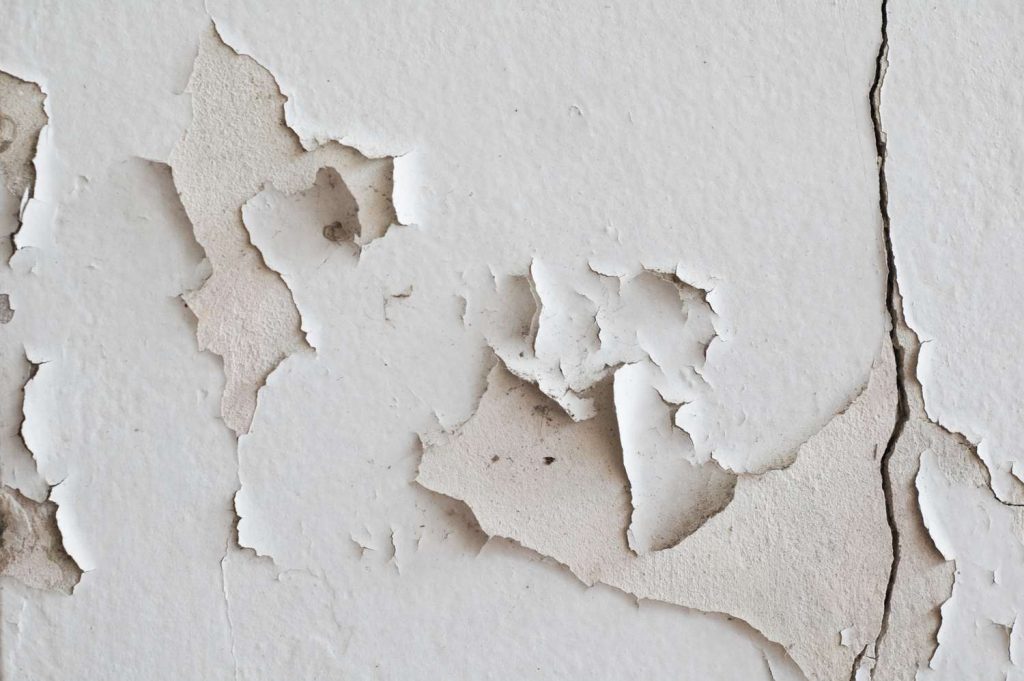
Peeling, cracking, or flaking paint can make any home look tired—and left alone, it only gets worse. If you’re asking, “What Should I Do if My House Paint Is Peeling and Damaged?” this guide provides a clear, homeowner-friendly path to stabilize the surface, repair it correctly, and prevent repeat failures. We’ll cover quick triage, deep prep, when to DIY, and when calling the pros at Aspen Painting makes more sense for your time, safety, and finish quality.
Quick Triage: How Bad Is the Peeling?
Before you grab a scraper, assess the scope of the task.
- Small, localized peel (under a few square feet): likely a spot-repair job.
- Widespread peeling across walls or multiple rooms/sides: plan on a full repaint for that area.
- Active leaks or moisture: fix the underlying issue first, or any paint repair will fail.
- Chalking or powdery surfaces: The paint may be breaking down due to UV exposure or age, and requires special preparation.
If you see bare wood, deep cracks, or previous layers lifting like sheets, treat it as a more serious failure and follow the “larger repair” steps below.
Why Paint Peels (So You Don’t Repeat It)
Understanding the cause helps you choose the right repair:
- Moisture: leaks, high humidity, or poor ventilation can cause paint to peel off the surface.
- Poor surface preparation: painting over glossy, dusty, or greasy surfaces can block adhesion.
- Incompatible coatings: applying latex over old oil without proper priming can cause the latex to peel.
- Temperature extremes: painting too cold or too hot compromises the cure and bond.
- Aging paint: older coats become brittle and lose elasticity.
Fix the root cause—especially moisture—before you repaint or you’ll be back at square one.
Safety First (Especially for Older Homes)
If your home was built before 1978, assume painted surfaces may contain lead. Avoid dry sanding and uncontrolled dust. Use wet methods, contain debris, and wear P100 or N100 respirators, gloves, and eye protection. For uncertain cases, hire a lead-safe certified pro. Safety now prevents bigger problems later.
Small Area Repair (Interior or Exterior)
This workflow addresses minor peeling while maintaining a smooth and consistent finish.
- Protect & Mask
Lay drop cloths. Mask trim, fixtures, and adjacent surfaces. Good masking saves time later. - Scrape Loose Paint
Use a sharp scraper to lift only what’s unbonded. Don’t gouge the substrate. Feather edges lightly with a sanding sponge (fine or extra-fine). - Sand & Feather
Sand the transition where old paint meets bare surface until the edge feels flat to the touch. Vacuum dust and wipe with a damp, clean cloth. - Spot Prime
Choose a primer for the substrate and problem:
- Stain-blocking primer for water marks or tannin bleed.
- Bonding primer over glossy or previously oil-based surfaces.
- Exterior wood: Use a quality wood primer to seal and improve adhesion.
- Fill & Skim (If Needed)
For shallow divots, use a lightweight spackle (for interior use) or exterior wood filler. Let the area dry, sand it smooth, and reapply primer to the patched spots. - Topcoat
Apply 1–2 coats of high-quality paint, ensuring a matching sheen. Maintain a wet edge and feather into surrounding paint to avoid a flashing halo. - Blend Sheen
If the patch flashes (appears dull or shines differently), a full wall or panel coat may be needed to achieve an even sheen.
Larger Repairs: When Peeling Is Extensive
Widespread peeling demands deeper prep for a durable fix.
- Full Mechanical Prep: Scrape all loose paint, then sand to feather edges. On exteriors, consider gentle power washing first (allow adequate dry time—often 24–48 hours depending on weather).
- Surface Cleaning: Remove chalking with a mild cleaner and rinse thoroughly. Chalking left behind is a bond killer.
- Prime at Scale: Use appropriate primers over large areas; don’t “spot prime” dozens of islands—prime the whole section.
- Repair Substrate: Replace rotted wood, caulk failed joints, and fix leaks. Paint is a finish, not a patch for structural issues.
- Coating System: Two finish coats give better coverage, color retention, and protection than one. Respect recoat times.
If this sounds like a lot, it is. For a fast, durable reset, hiring a professional crew can save days and reduce callbacks.
Exterior-Specific Tips
- Sun & Weather Windows: Paint when surfaces are dry, temperatures are in the manufacturer’s range, and rain isn’t imminent. Early fall in PA is often ideal.
- Bare Wood: Prime ASAP—exposed wood absorbs moisture quickly.
- Glossy Trim: Scuff sand and apply a bonding primer to prevent peel-backs at the edges.
- Masonry: Remove loose paint, clean efflorescence, and use masonry-rated primer and coatings.
- Metal: Remove rust, use a rust-inhibitive primer, and topcoat promptly.
For full exterior help, see Aspen’s exterior painting services.
Interior-Specific Tips (Baths, Kitchens, Basements)
- Ventilation: Add or replace exhaust fans; maintain low humidity levels.
- Degloss: Clean with a degreaser and degloss slick areas before priming.
- Stain & Mildew: Treat staining and mildew with appropriate cleaners; prime with stain-blocking primer.
- High-Moisture Zones: Choose moisture-resistant paints for bathrooms and kitchens for improved washability.
Need room refreshes? Explore interior painting services.
Tools & Materials Checklist
- Protection: drop cloths, masking tape, plastic, gloves, eye protection, respirator
- Prep: scraper, sanding sponges (fine), pole sander, vacuum with HEPA filter
- Clean: mild cleaner, rags, bucket, water
- Patch: spackle/wood filler, putty knives
- Prime: bonding/stain-blocking/wood primers
- Paint: quality interior/exterior paint, matched sheen
- Applicators: angled brush, roller covers (appropriate nap), tray or bucket with screen
Color Matching Without Repainting Everything
- Chip a Sample: Bring a quarter-sized chip to a paint store for matching.
- Feather Generously: Extend the repair beyond the immediate patch to blend edges.
- Mind the Sheen: Even a perfect color can flash if the sheen doesn’t match.
- Age & Fade: Sun-exposed exteriors fade; a perfect match may still be noticeable. In those cases, repainting the entire wall plane yields the best look.
Preventing Future Peeling
- Fix moisture sources (leaks, grout gaps, poor ventilation).
- Wash and dull glossy surfaces before priming.
- Use high-quality primers and paints that are suited to the substrate and room.
- Respect dry and recoat times; don’t rush the cure.
- Maintain caulk and sealants; inspect exteriors annually.
DIY vs. Hiring Aspen Painting
Choose DIY when:
- The peeling is small and localized
- You’re comfortable with scraping, sanding, and priming.
- You have the time, tools, and safety gear.
Choose Aspen Painting when:
- Peeling is widespread across multiple substrates
- There are moisture issues, stains, or lead-risk concerns.
- You want a faster, longer-lasting result with a clean, warrantied finish.
Explore specialized services, such as cabinet painting, for kitchens that need a coordinated refresh.
Key Benefits of Choosing Aspen Painting
| Benefit | Why It Matters |
| Durable prep | Correct scraping, sanding, and priming reduces future peeling |
| Right product match | Coatings chosen for your surface, climate, and sheen |
| Clean job sites | Neat masking, dust control, and thorough cleanup |
| Clear timelines | Predictable schedules that respect your home |
| Local expertise | Familiarity with PA weather and local housing styles |
Local Help Across Our Service Areas
Aspen Painting serves neighborhoods throughout Montgomery and Bucks Counties. If you’re in Ambler, Blue Bell, Doylestown, Horsham, or Warrington, our team can help stabilize peeling, repair damage, and refresh the look of your home. (We keep linking light to maintain readability—just ask if you want more service-area links added.)
When You’re Asking “What Should I Do if My House Paint Is Peeling and Damaged?”
Here’s your short plan:
- Stop moisture—fix leaks and improve ventilation.
- Contain dust; use safe methods if your home may have lead.
- Remove loose paint, feather sand, and clean thoroughly.
- Prime for the problem (bonding or stain-blocking).
- Patch, sand, re-prime as needed; finish with two coats.
- For widespread failure, schedule a full repaint with Aspen Painting.
Ready for a Clean, Lasting Fix?
If you want the repair handled end-to-end—with proper prep, product selection, and a neat finish—reach out to Aspen Painting’s interior or exterior team. We’ll assess the cause of peeling, recommend the right system, and deliver a result that looks great and holds up.
FAQs
1) What Should I Do if My House Paint Is Peeling and Damaged?
Address moisture first, then remove all loose paint. Feather sand, spot prime, or full prime as needed. Patch as necessary, and apply two finish coats. For large areas, call Aspen Painting.
2) Can I just paint over peeling areas?
No. Painting over loose edges traps failure underneath. You must scrape, sand, and prime for adhesion.
3) Do I need a special primer?
Yes—use a bonding primer over glossy or previously oil-based coatings, and a stain-blocking primer where there are water or tannin stains.
4) How do I know if I should repaint a whole wall or just spot repair?
If the patch flashes or peeling is widespread, repaint the entire wall/section for uniform color and sheen.
5) How can I prevent peeling from returning?
Control moisture, clean, and dull glossy surfaces before painting. Use quality primers and paints, and follow the dry and recoat times.

Ray is an inspiring leader with a strong work ethic stemming from his exemplary upbringing in a caring and loving family environment. His parents modeled the importance of integrity and hard work to him and his siblings, values which Ray now instills in his teenage daughter. As the owner of Aspen Painting & Wallcovering, Inc., he leads by example by expecting nothing but the best from himself and his employees. His primary goal is to provide superior service and quality craftsmanship to each of his clients so that they become enthusiastic ambassadors for the company. Ray is a passionate team player who always strives to exceed expectations.