
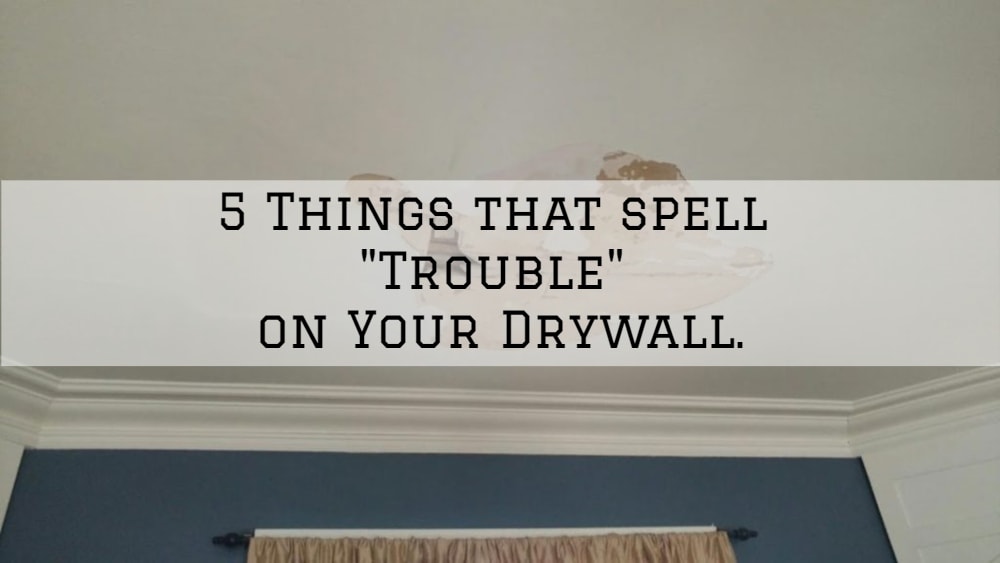
Five Things That Spell “Trouble” on Your Drywall.
If your walls or ceilings are showing any of these signs, it’s time to take action. Early detection can prevent costly repairs and protect your home’s value.
1. Large Cracks or Holes
Large cracks or holes in your drywall aren’t just cosmetic issues—they can signal structural problems. If you see wide cracks or sections missing, get a professional inspection right away.
2. Water Damage
Water stains, peeling paint, or a soft, swollen appearance on your walls mean water has penetrated the drywall. This can lead to mold growth and serious structural damage if ignored.
3. Mould Growth
Dark spots or patches on your drywall are a clear sign of mold. Mold thrives in damp conditions and can pose health risks, especially for those with allergies or respiratory issues.
4. Sagging or Uneven Ceiling
A sagging or uneven ceiling is never normal. It could be due to water damage, poor installation, or structural failure. Don’t wait—get it checked by a pro immediately.
5. Visible Screws or Fasteners
Seeing screws or fasteners protruding from your drywall is a sign of poor installation or failing drywall. If your drywall is new and this happens, it’s a red flag for quality.
When to Call a Pro
-
If you notice any of these issues, especially water damage or mold, contact a drywall repair expert as soon as possible. Early intervention can save you money and protect your home’s safety.
FAQ
Q: What are the most common signs of drywall trouble?
A: Large cracks, water stains, mold growth, sagging ceilings, and visible screws are all major warning signs.
Q: Can I fix drywall damage myself?
A: Small holes and minor cracks can be patched by homeowners, but larger issues or water/mold damage should be handled by professionals.
Q: How can I prevent drywall problems?
A: Regular inspections, fixing leaks promptly, and proper installation techniques help prevent most drywall issues.
Q: Is mold on drywall dangerous?
A: Yes, mold can cause health problems and further structural damage. Always replace moldy drywall and fix the moisture source.
Q: What should I do if my ceiling is sagging?
A: Stop using the area and call a drywall expert immediately. Sagging can indicate a serious structural issue.

Ray is an inspiring leader with a strong work ethic stemming from his exemplary upbringing in a caring and loving family environment. His parents modeled the importance of integrity and hard work to him and his siblings, values which Ray now instills in his teenage daughter. As the owner of Aspen Painting & Wallcovering, Inc., he leads by example by expecting nothing but the best from himself and his employees. His primary goal is to provide superior service and quality craftsmanship to each of his clients so that they become enthusiastic ambassadors for the company. Ray is a passionate team player who always strives to exceed expectations.