
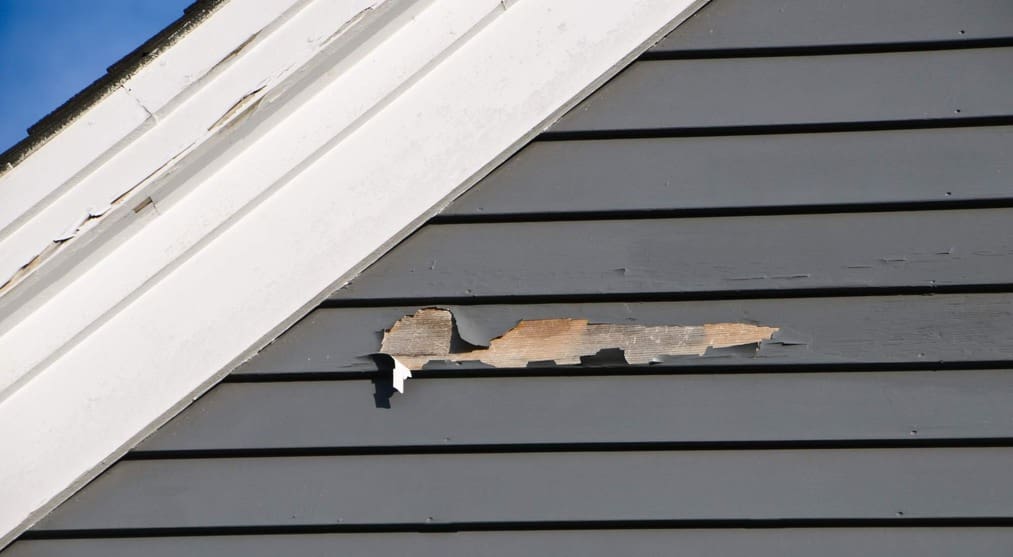
Your home’s first impression lives at the curb. When trim is peeling and shutters are faded, even a well-cared-for property can look tired. In Doylestown’s four-season climate—sunny summers, wet shoulder seasons, and freeze–thaw winters—painted exteriors take a beating. The good news is that with the right plan and the right house painters, you can quickly transform “worn” into welcoming and increase perceived value before buyers or guests step out of the car.
Why trim peels and shutters fade in Doylestown
Short answer: UV, moisture, and movement.
Longer answer: Bucks County homes see UV exposure in summer that breaks down resin binders in paint, especially on south- and west-facing elevations. Temperature swings drive expansion and contraction, opening small cracks that allow water to enter. Moisture then pushes paint off from behind, and when it freezes, the pressure forces blisters and peeling.
Other common culprits:
-
Insufficient prep before a previous paint job—glossy surfaces not deglossed, dust left behind, or loose edges not feather-sanded.
-
Aged caulk that’s lost elasticity, letting water creep into joints and window trim.
-
Gutter overflow and splash-back near the lower trim, soaking wood ends.
-
Tannin bled from bare wood (like cedar) that wasn’t spot-primed.
-
Vinyl shutters painted with non-Vinyl Safe colors can lead to heat buildup and premature fade.
The pattern you see often tells the story. Alligatoring (a cracked pattern) indicates old oil paint beneath flexible latex. Bubbles that pop and reveal raw wood point to trapped moisture. A chalky film on shutters signals UV degradation; wipe with a dark cloth and you’ll see the residue.
Paint failure or moisture problem? A quick at-home check
Before you repaint, determine whether the paint failure occurred on its own or if moisture is the underlying cause.
-
Tape test: Press high-adhesion tape over a sound-looking area and pull it off. If large sheets come off, bonding is suspect; you’ll need stronger prep and a bonding primer.
-
Blister type: Blisters that reveal bare wood often indicate that water vapor is pushing out. Blisters between layers suggest poor intercoat adhesion.
-
Spot-check caulk & end grain: Probe the lower window trim and corner boards. Soft spots or dark rings signal water entry.
-
Shutter material matters: Many Doylestown homes have vinyl shutters. Heat load from dark colors can shorten life unless you use vinyl-safe formulas and colors with a high light reflectance value (LRV).
If you’re unsure, schedule a quick evaluation with local pros. Experienced Doylestown house painters can distinguish between a simple paint fix and a small repair that saves you from repainting twice.
The Aspen Painting game plan for curb-ready trim and shutters
Here’s how professional house painters (like the team at Aspen Painting) approach peeling trim and tired shutters for a finish that looks sharp and lasts.
1) Protection and setup
-
Cover plants and hardscape with breathable drop cloths.
-
Mask windows, hardware, and light fixtures.
-
Stage safe access: Ladders or scaffolding are positioned to keep the work area tidy and efficient.
2) Wash and decontaminate
-
Low-pressure wash to remove dirt, chalk, and mildew.
-
Target mold/mildew with the correct cleaner, rinse thoroughly, and let surfaces fully dry.
3) Paint removal: scrape, sand, and feather
-
Scrape all loose edges to a firm boundary.
-
Feather-sand transitions so repaired areas don’t “telegraph” through the finish.
-
For stubborn, glossy areas, deglossing can improve grip.
4) Repair and stabilize the substrate
-
Address soft wood, open joints, and failed caulk.
-
Use exterior wood epoxy or judicious replacement for rot that extends beyond the surface depth.
-
Re-caulk with a high-quality, paintable elastomeric caulk; tool smooth for clean lines.
5) Prime with purpose
-
Bare wood: stain-blocking or bonding primer.
-
Knots/tannin-prone species: spot-prime with the right sealer.
-
Metal fasteners/hinges: rust-inhibitive primer where needed.
-
Glossy old coatings: bonding primer for adhesion.
6) Paint for the situation, not just the surface
-
Trim sheen: Satin or semi-gloss for cleanability and crisp detail.
-
Two finish coats, brushed and back-brushed for deep penetration on wood trim.
-
Color consistency: Buy enough from the same batch, label leftovers for touch-ups, and record the formulas.
7) Special care for shutters (vinyl and wood)
-
Remove and paint off the wall when possible for full coverage, clean edges, and safer handling.
-
For vinyl shutters, select vinyl-safe colors and coatings designed to reflect heat. Stick to colors with higher LRV to reduce heat absorption, or use specialty technology that allows darker hues without warping.
-
For wood shutters, prime all edges (especially top/bottom) to block moisture wicking.
8) Clean site & quality check
-
Restore fixtures, rehang shutters, remove masking tape, and perform a final sweep.
-
Full walkthrough in daylight—correct any holidays (thin spots), drips, or uneven gloss.
Color strategies that boost curb appeal fast
You don’t need to repaint the entire exterior to change how your home feels from the street. Upgrading trim and shutters can sharpen lines, highlight architectural details, and make brick or siding stand out.
Smart pairings for Doylestown homes:
-
Classic Bucks County contrast: Soft off-white trim with deep navy shutters. Frames windows cleanly and sets up a bold front door.
-
Brick-friendly tones: Warm cream trim and charcoal shutters strike a balance between traditional and modern styles without clashing with the brick’s red-brown notes.
-
Stone accents: Cool gray trim with slate shutters keeps stonework the star while tightening the overall palette.
-
Fresh farmhouse: Warm white trim and black shutters for a simple, high-contrast look that photographs beautifully.
Front door synergy:
If trim and shutters go classic, make the front door your statement—teal, red, or brass-accented black. Keep hardware finishes within the same family so the entire entry reads as a cohesive unit.
How long does it last?
Lifespan depends on exposure, coating quality, and prep. North- and east-facing may look sharp for 7–10 years; west- and south-facing may need attention in 5–7 years. Vinyl shutters painted with vinyl-safe formulas retain their color longer; wood shutters require periodic inspection of their horizontal edges, where water tends to accumulate.
Maintenance that can be done in under an hour.
-
Spring rinse: Use a garden hose to rinse from top to bottom to remove winter grime.
-
Inspect caulk & end grain: Touch up gaps before summer storms.
-
Quick touch-ups: Keep a labeled quart of your trim color and a high-quality sash brush on hand. Dab nicks before UV and moisture attack the exposed spot.
-
Trim landscaping: Keep shrubs a few inches away from siding and shutters to allow surfaces to dry after rain.
When to repaint vs. replace
Repaint if:
-
Peeling is localized, wood is solid after probing, and edges feather cleanly.
-
Shutters are structurally sound (no warping, cracks limited to paint film).
Replace or repair first if:
-
You can push a screwdriver into the trim with little effort—this indicates deep rot.
-
Shutters sag, split, or won’t hold fasteners.
-
There’s ongoing moisture intrusion (leaking gutters, failed flashing) that would ruin new paint from behind.
A reputable local professional will propose a repair-first approach wherever it’s the smart long-term move—and will explain why, with supporting photos.
The cost question (and how to make your budget go further)
Painting trim and shutters costs less than a whole-house repaint and offers big visual payoff. You can stretch value by:
-
Batching tasks: Pair trim/shutter work with a front door refresh and porch posts while crews and ladders are already set.
-
Choosing resilient sheens: A slightly higher sheen on trim resists dirt and cleans more easily, delaying the next repaint.
-
Color strategy: Choose timeless trim/shutter colors; reserve trend-forward hues for a front door that can be changed more frequently.
How to hire the right Doylestown house painters
Use this quick checklist to compare estimates and avoid surprises:
-
Local references: Ask for recent trim/shutter projects in Doylestown that you can drive by.
-
Prep spelled out: Scraping, sanding, feathering, spot-priming, caulking, and the number of finish coats should be written plainly.
-
Product transparency: Which primer and finish will be used on your specific surfaces (wood, PVC, or vinyl)?
-
Lead-safe practices (pre-1978 homes): Proper containment, cleanup, and documentation are essential.
-
Scheduling & weather plan: How they handle rain, heat waves, and cold snaps.
-
Workmanship warranty: What’s covered and for how long.
-
Communication: One point of contact for questions and daily updates.
If you want a head start, talk with local Doylestown house painters who can evaluate your trim and shutters and map a plan that fits your timeline.
A quick real-world example
A Doylestown colonial had peeling window trim on the south face and chalked-out navy shutters. The entry felt washed out, and the listing photos lacked punch.
What changed:
-
Full wash, scrape, feather-sand, and targeted epoxy repair on lower sills.
-
Stain-blocking primer on bare wood; bonding primer over stubborn glossy patches.
-
Two coats of satin trim paint in a warm white to sharpen window outlines.
-
Shutters removed, cleaned, and recoated in vinyl-safe deep blue; reinstalled with fresh hardware.
-
A brass kickplate and a richer front door color pulled the look together.
Result: From the street, the windows looked crisp, the shutters vibrant, and the entry finally anchored the façade. Showings increased that week, and the home was photographed as well as newer properties nearby.
DIY vs. pro: where each makes sense
DIY-friendly tasks:
-
Gently hose rinse each spring.
-
Light touch-ups on small nicks or nail holes.
-
Caulk refresh along straightforward seams.
Better for pros:
-
Extensive peeling on upper stories (safety, staging, consistent feathering).
-
Vinyl shutters needing color changes (selecting vinyl-safe systems).
-
Rot repair and priming for tannin-heavy woods.
-
Projects on a tight timeline where multiple crew members keep steps moving.
Key benefits when you work with Aspen Painting
| What you get | Why it matters |
|---|---|
| Local know-how for Doylestown exteriors | Bucks County weather habits guide helps you make informed product and scheduling choices for longer-lasting results. |
| Prep that addresses root causes | Scrape, sand, prime, and seal moisture paths so new paint isn’t doomed from day one. |
| The right coating for each surface | Wood trim, PVC, and vinyl shutters need different primers/finishes for grip and color stability. |
| Clear timeline & communication | You’ll know what’s happening each day, and why |
| Neat, respectful job sites | Landscaping and fixtures are protected; your entry stays usable and clean |
| A finish built to last | Two coats, smart sheen choices, and a thorough walkthrough lock in the look |
The small details that make a huge visual difference
-
Edge discipline: Clean paint lines at glass and siding make trim look sharper and newer.
-
Consistent sheen: Mixing products can leave dull/bright patches; keeping sheen aligned protects that refined look.
-
Hardware refresh: New shutter fasteners and matched door hardware can finish the upgrade for surprisingly little cost.
-
Downspout tune-up: A simple redirect might prevent the very moisture that caused peeling in the first place.
Ready to upgrade your curb appeal?
If peeling trim or faded shutters are stealing attention from your home’s best features, it’s time to act. A focused trim-and-shutter project can transform your exterior in just a few workdays, often without repainting the whole house. Consult with experienced house painters who are familiar with Doylestown homes and can create a plan tailored to your schedule, budget, and style.
FAQs
1) How do I know if my trim needs paint or just cleaning?
If the surface is dirty but intact, a gentle wash may revive it. If you see flaking edges, exposed wood, or chalk that returns the day after cleaning, you’re due for a fresh coat of paint and primer.
2) Can I paint vinyl shutters a darker color?
Yes—with vinyl-safe technology that limits heat absorption. Otherwise, dark colors on standard vinyl can warp in the sun. Ask your painter for vinyl-safe options and color guidance.
3) What’s the best sheen for exterior trim?
Satin or semi-gloss. Both shed dirt and highlight detail. Satin hides minor imperfections slightly better; semi-gloss pops architectural lines.
4) How long will a trim-and-shutter refresh take?
Most homes wrap in 2–4 days, once the weather cooperates, depending on the preparation and shutter count. Upper-story access or rot repair can add time.
5) Do I need to repaint the whole house to improve curb appeal?
No. Targeting trim and shutters delivers a big visual lift for a smaller budget. Many Doylestown sellers begin here before listing to make a strong first impression quickly.

Ray is an inspiring leader with a strong work ethic stemming from his exemplary upbringing in a caring and loving family environment. His parents modeled the importance of integrity and hard work to him and his siblings, values which Ray now instills in his teenage daughter. As the owner of Aspen Painting & Wallcovering, Inc., he leads by example by expecting nothing but the best from himself and his employees. His primary goal is to provide superior service and quality craftsmanship to each of his clients so that they become enthusiastic ambassadors for the company. Ray is a passionate team player who always strives to exceed expectations.