
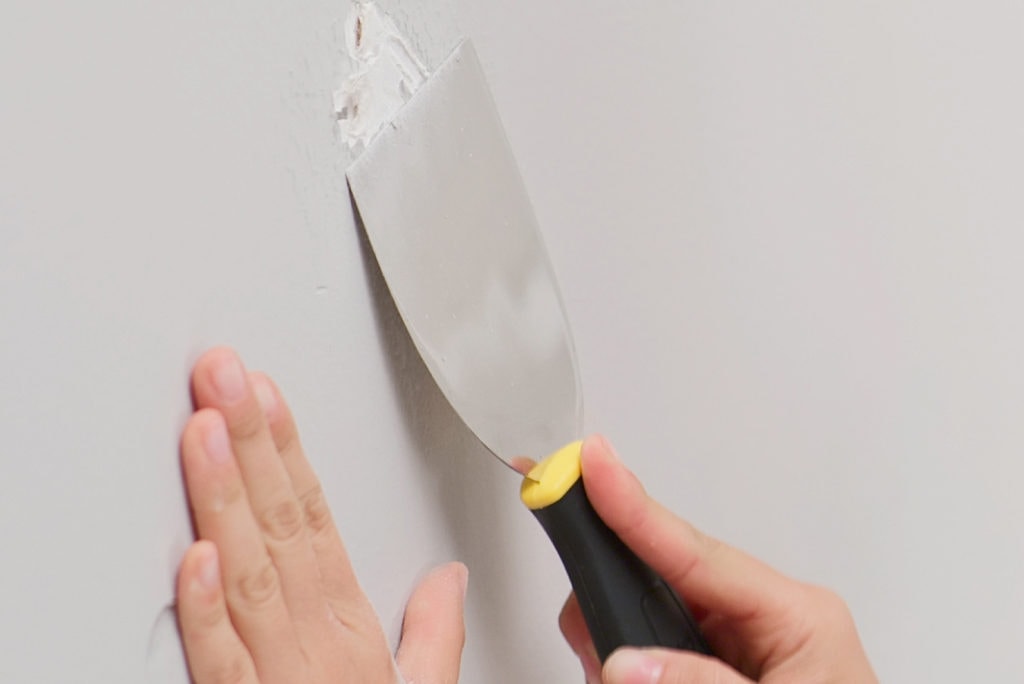
You’ve peeled, steamed, and scraped. The wallpaper is finally gone. Now the big question: do you have to sand walls after removing wallpaper? The short answer is: usually, yes—at least a light sanding. Glue residue, raised paper fibers, and tiny nicks can telegraph through paint as bumps, rough patches, or dull/shiny blotches. A smart, targeted sanding step levels the surface, improves primer bite, and helps your color lay down evenly.
Below is a clear, no-nonsense walkthrough: when to sand (and when you can skip), how aggressive to be, the best tools, grit selection, dust control, priming, and a quick path to a smooth, paint-ready finish.
The 30-second answer
- Yes, for most walls. A light, uniform sanding (150–220 grit) after wallpaper removal knocks down raised fibers, blends scraper marks, and ensures primer adhesion.
- Spot-sand more aggressively where you see leftover glue sheen, seam ridges, or repair areas (start at ~120 grit, then refine).
- Prime after sanding to lock any trace residue and even out porosity before paint.
- Skip only if the wall is perfectly smooth, glue-free, and you’ve done multiple wipe-downs with no raised nap—rare, but possible.
Why sanding matters after wallpaper comes off
- Raised paper nap
When wallpaper or backing paper is dampened and lifted, tiny wall fibers can swell. Once dry, they feel fuzzy. Paint catches on that nap, leaving a rough feel and a dull look. A quick 150–220 grit pass knocks it flat. - Seam ridges & scraper tracks
Seams and stubborn patches often get extra scraping. Those micro-gouges show through paint as lines. Spot-sanding blends them back into the field. - Adhesive sheen and contamination
Even after you wash the wall, thin films of paste can remain. They can react with primers or paints, causing uneven sheen or adhesion issues. Light sanding plus the right primer seals the deal. - Porosity differences
Bare drywall paper, patched areas, and previously primed sections absorb paint differently. Sanding smooths transitions so primer can even everything out.
First: verify the wall’s actual condition
Do these quick checks before you reach for the sander:
- Palm test: Glide your hand across the wall under bright, raking light. Feel fuzz, tiny burrs, or ridges? You’ll want at least a light sanding.
- Dry rag test: Wipe with a clean, white cloth. If it snags or leaves lint, the surface is fuzzy.
- Water bead test: Mist a small area with clean water. If it beads oddly or feels slick after drying, you may still have paste—clean again, then sand.
- Shine check: Angle a work light; glue residue often shows as shiny islands. Mark them for spot treatment.
Clean first, then sand (order matters)
- Paste removal wash
Use warm water with a few drops of mild dish soap or a dedicated paste remover. Work in manageable sections. Wipe until the wall no longer feels slick. Rinse with clean water and let dry. - Adhesive hot spots
For stubborn spots, repeat the wash, dwell for a minute, then scrape gently with a plastic putty knife. Rinse and dry again. - Only then, sand
Sanding glue-laden walls can smear paste into the paper and make a gummy mess. Clean first; sand second.
How much sanding is enough?
- Level 1: Light scuff (most common)
Use 150–180 grit on a sanding pole or block to sand across broad areas. The goal is to de-fuzz and flatten, not to carve. Finish with 220 if the wall still feels raspy. - Level 2: Targeted correction
At seams, ridges, or scraper marks, start with 120–150 grit to knock down high spots. Feather outward 6–12 inches so the correction disappears. Follow with 180–220 to refine. - Level 3: Spot re-skim + sand
If the paper face of drywall is torn or the texture is patchy, skim those areas with joint compound. Dry, then sand with 180–220 to blend. Prime these repairs before finishing the paint.
Tip: Work in good lighting and use your fingertips—they detect small defects your eyes miss.
Tools that make it easier (and cleaner)
- Pole sander for large fields: maintains even pressure and accelerates scuffing.
- Sanding block for edges and near trim: better control, fewer wall dings.
- Detail sanding sponge for corners and around outlets.
- Use a vacuum attachment or a dustless hand sander, if available; pair with a shop vac and a fine filter.
- Work light at an angle to reveal defects as you go.
- Drop cloths and plastic to protect floors and fixtures.
Grit guide at a glance
- 120–150: knock down ridges, seam lines, or scraper scratches.
- 150–180: typical whole-wall scuff to remove nap and minor fuzz.
- 220: final pass for a silky feel before primer on critical walls (strong sunlight, accent colors).
Avoid very coarse grits (80–100) unless you’re dealing with heavy ridges; they can gouge drywall paper and create more patchwork.
What about wet sanding?
Wet-sanding with a fine sponge helps control dust and is useful for fresh joint compound. After wallpaper removal, it’s best for smoothing skimmed spots—not for full-wall paste cleanup. Use wet sanding to soften and feather repairs, then switch back to dry sanding for a final uniform scuff.
Skim coating vs. sanding: which should you choose?
- Choose sanding only if the wall is sound with minor fuzz and shallow defects.
- Choose spot skim if you have torn paper, scraper grooves, or widespread unevenness. A thin skim, then a 220-grit sand, yields a near-new surface.
- Choose full skim if the wall is heavily damaged or has a heavy texture you want to remove. Expect more time for drying and sanding—but the results can be excellent.
Prime right after sanding (don’t skip)
Primer locks down any lingering residue, evens porosity, and reveals flaws before you commit to color.
- Stain-blocking or bonding primer is used over areas that previously had paste or where the drywall face was exposed.
- High-build primer can fill micro-scratches and unify the look of walls with extensive patching.
After priming, re-inspect under an angled light. Touch up any missed ridges with a quick sand and micro-prime those spots.
When can you skip sanding?
It’s rare, but you can sometimes skip if all of the following are true:
- Backing paper came off cleanly with minimal moisture.
- Multiple washes removed the paste, and the wall is not slick.
- No raised nap when dry; the surface feels as smooth as pre-paper drywall.
- No scraper ridges, torn paper, or patchy texture.
Even then, a quick 220-grit pass takes minutes and reduces risk. Skipping entirely is a judgment call—don’t do it on walls with strong natural light or bold paint colors that highlight defects.
Sequence: from wallpaper removal to paint
- Remove paper (peel/steam/score as required).
- Wash & rinse thoroughly to remove adhesive; let dry.
- Inspect & mark defects under angled light.
- Sand the field lightly (150–180); spot-sand ridges (120–150), then refine (180–220).
- Repair & skim as needed; sand repairs smooth (220).
- Dust off: vacuum + tack cloth or damp microfiber (lightly).
- Prime: choose bonding or stain-blocking as needed.
- Spot-fix post-primer: quick sand/prime if flaws show.
- Paint: two uniform coats, maintaining a wet edge.
For a step-by-step helper focused on prep after wallpaper, keep this close: do you have to sand walls after removing wallpaper.
Common mistakes (and how to avoid them)
- Sanding before washing: spreads paste, clogs paper, and can smear residue into the surface. Always clean first.
- Over-sanding drywall paper: if you expose brown paper, seal it with primer before skimming; otherwise, the paper can bubble.
- Too coarse grit: deep scratches will telegraph. Step down to 150–180 for general scuffing.
- Skipping primer: leads to flashing (shiny/dull patches) and poor adhesion.
- Ignoring lighting: defects hide until the sun hits. Use a work light at a shallow angle while sanding and after priming.
Dust control and safety
- Close the HVAC vents in the room while sanding, and cover the returns.
- Use a vacuum-attached sander if possible.
- Wear a basic dust mask and eye protection.
- Keep the area clean as you go; frequent vacuuming prevents dust from tracking through the home.
Paint selection after wallpaper removal
Freshly prepped walls benefit from quality interior paint with good leveling and coverage.
- Sheen: Eggshell or satin in active spaces; matte/flat hides more but is less washable.
- Color: Mid-tones are forgiving; ultra-dark colors can highlight flaws, so invest extra time in the final sand and primer.
- Tools: A 3/8″ nap roller for smooth walls; 1/2″ if you kept a light texture.
Troubleshooting after you prime
- Ridges visible → Spot-sand with 150–180, feather with 220, touch-prime, repaint.
- Fuzzy feel remains → Another quick pass with 220 across that panel, re-prime locally.
- Yellowing spots or stains → Use a stain-blocking primer designed for stubborn marks; two coats if necessary.
- Peeling at old paste areas → Strip back loose paint, clean again, sand to a sound surface, prime with a bonding product, repaint.
Time & effort planning
- Cleaning & rinse: 1–3 hours per typical room, depending on paste.
- Light sanding pass: 45–90 minutes with a pole sander.
- Repairs/skim: 1–2 hours plus dry time for compound.
- Priming: 1–2 hours of work plus dry time.
Taking the time to sand correctly saves much more time than you’d otherwise spend chasing flaws in finish paint.
When to call a pro
Call in help if you’re seeing extensive torn paper, uneven drywall from prior remodels, or schedule pressure on a whole house. A pro crew can wash, sand, skim, and prime efficiently with dust control—and leave walls ready for color the same day. Aspen Painting handles the full prep and finish sequences to deliver a clean, even paint surface without the mess.
FAQs
1) Do you have to sand walls after removing wallpaper if the walls look smooth?
If the walls feel perfectly smooth after a thorough wash and rinse, you can sometimes get by with just a very light 220-grit scuff. That quick pass improves primer grip and catches micro-nap you might not feel immediately.
2) What grit should I start with?
For general scuffing after paste removal, 150–180 grit is ideal. Use 120–150 only on ridges or scraper marks, then refine with 180–220.
3) Can I just prime over residual glue?
Primer helps, but don’t rely on it to hide glue. Wash thoroughly first, verify that the wall isn’t slick, then sand and prime. Primer locks in any remaining residue.
4) I exposed brown paper on the drywall—now what?
Seal the area with a suitable primer, let it dry, then skim the area with joint compound to restore a smooth finish. Sand lightly (220), spot-prime, then proceed with finish paint.
5) What if the wall still looks patchy after my first coat of paint?
That’s likely flashing from uneven porosity or film thickness. Let it dry, lightly sand rough spots with 220, spot-prime if needed, then apply a uniform second coat.

Ray is an inspiring leader with a strong work ethic stemming from his exemplary upbringing in a caring and loving family environment. His parents modeled the importance of integrity and hard work to him and his siblings, values which Ray now instills in his teenage daughter. As the owner of Aspen Painting & Wallcovering, Inc., he leads by example by expecting nothing but the best from himself and his employees. His primary goal is to provide superior service and quality craftsmanship to each of his clients so that they become enthusiastic ambassadors for the company. Ray is a passionate team player who always strives to exceed expectations.